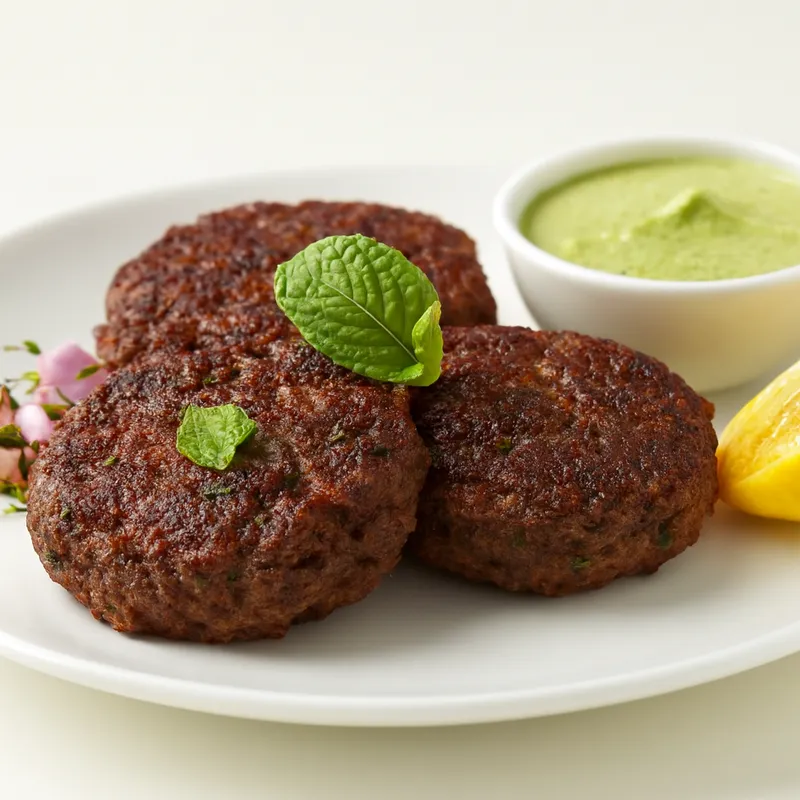
Aattu Kaal Paaya is a Chettinad mutton trotter soup simmered for six to eight hours with fennel seeds, stone flower (kalpasi), kapok buds (marathi moggu), ginger, garlic, and freshly ground coconut until the broth turns silky with dissolved collagen. The traditional Sunday morning breakfast in Karaikudi households, trotters are set over a wood fire before midnight and the soup ladled at dawn, served alongside idiyappam or appam.






The word paaya traces to the Persian for 'foot,' entering Tamil culinary vocabulary through the extended trade contacts and Persianate influences that reached coastal South India. Overnight trotter soups exist across South Asia's Hindu and Muslim cooking traditions, but the Chettinad version is distinguished by stone flower (kalpasi, the lichen Parmotrema perlatum, used almost nowhere else in Indian cooking), kapok buds (marathi moggu), and freshly ground coconut paste — a combination that creates a flavor profile wholly unlike Mughlai nihari or South Indian Muslim versions. In Karaikudi and surrounding Chettinad villages, setting trotters over a wood fire before midnight and ladling the soup at dawn has been attested across generations of family accounts and regional food writing as the fixed Sunday morning ritual of the community.
The broth is deeply savory and silky, coating the palate with dissolved gelatin and bone-marrow richness. The trotters yield fall-apart gelatinous skin and tendon that melt on the tongue, undercut by the warming sweetness of fennel and the earthy, oakmoss depth of stone flower.
Mutton trotters are dense in collagen — cartilage, tendons, skin, and periosteum all carry type I and III collagen fibers. Sustained simmering at 85–95°C progressively hydrolyzes these fibers into gelatin, which dissolves into the broth and raises its viscosity, creating the characteristic silky mouthfeel. As bones soften, marrow lipids and minerals release into the liquid, adding fat and body. Fennel's principal volatile compound, anethole, mellows from sharp anise to a rounded sweetness over six or more hours of heat. The phenolic and terpenoid volatiles of kalpasi infuse the broth slowly, producing its distinctive earthy, resinous undertone that intensifies with time.
Variations
A version from neighboring Pudukkottai adds coconut milk in the final stage. Some households finish with a mustard-seed and curry-leaf tadka. Reducing the broth further produces a drier preparation served as a side dish rather than a soup.
On the Palate
Where Aattu Kaal Paaya sits in the Indian flavor cloud
Ingredients
Serves 6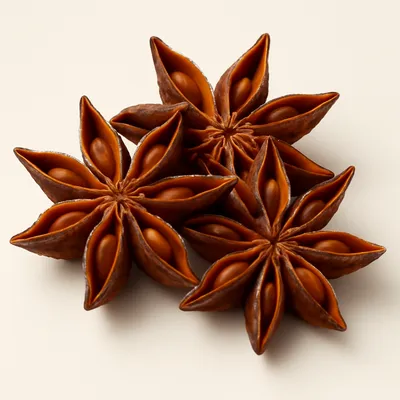

How it's made
7 steps · 30 min
- 130 min
Scorch the trotters over an open flame to remove residual hair; chop into sections, soak in cold water for 30 minutes, then rinse thoroughly.
- 210 min
Heat oil in a heavy pot; sauté sliced onions, ginger, garlic, and fennel seeds over medium heat until golden and fragrant.
Watch outSauté the onions, ginger, garlic and fennel until golden and fragrant — this aromatic base sets the depth before the long simmer that can't be added later.
- 35 min
Add the trotters with turmeric, salt, stone flower (kalpasi), kapok buds (marathi moggu), star anise, cloves, and cinnamon.
- 45 min
Pour in enough water to cover generously; bring to a boil, skim the foam, then reduce to a very low simmer.
- 5420 min
Simmer covered for 6–8 hours, skimming fat periodically, until trotters are completely tender and broth is silky and richly colored.
Watch outSimmer six to eight hours, skimming fat, until the broth turns silky — that silkiness is the trotter collagen melting to gelatin; a hard boil clouds it and stops it setting.
- 630 min
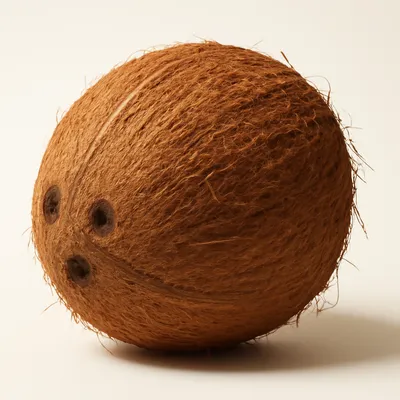
Stir in freshly ground coconut paste; simmer uncovered for a further 30 minutes until fully incorporated.
- 710 min
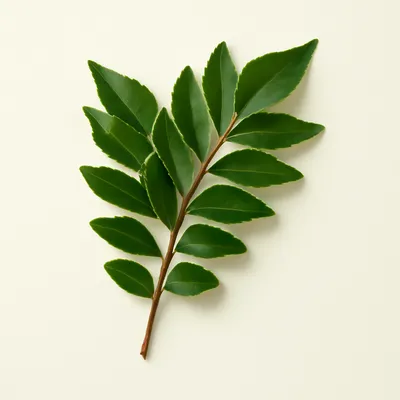
Adjust salt, ladle into bowls, garnish with fried onions and curry leaves, and serve with idiyappam or appam.