A deep-crimson fish curry from Kottayam, central Kerala, made by Syrian Christian communities. Sardines or seer fish simmer in a bold base of Kashmiri chili and kudampuli — Malabar tamarind (Garcinia cambogia) — with no coconut milk and no tomato, cooked in a seasoned clay pot called manchatti whose accumulated oils and aromatics deepen the flavor over years of use.





Meen Vevichathu belongs to the culinary tradition of Kerala's Saint Thomas Christians — a community tracing apostolic origins to the 1st century CE, centered in and around Kottayam since the medieval period. The curry's profile departs decisively from Malabar fish curries by using kudampuli (Malabar tamarind, Garcinia cambogia) as the souring agent rather than tamarind or tomato, a practice documented in Kottayam-area cooking as a pre-Portuguese coastal technique for preserving oily fish. Kashmiri chili, which penetrated South Indian spice markets after the 17th century, provided intense crimson color without the accompanying heat and became the community's preferred pigment. The manchatti clay pot, passed from mother to daughter, is understood to grow more flavorful with each use as fish oils and spice resins saturate its porous walls.
Sharply sour from the kudampuli, fiery-red with the fruity heat of Kashmiri chili, deeply savory from the fish stock released during simmering — a clean, electric tanginess that cuts through the richness of oily fish with no coconut to soften it.
Kudampuli releases hydroxycitric acid and tartaric acid as it simmers, dropping the curry base pH to approximately 4–4.5, which partially denatures fish surface proteins and firms the flesh while acting as a natural preservative. Kashmiri chili's capsaicin dissolves into fish oils released during cooking, distributing heat evenly; its fat-soluble carotenoid pigments — capsanthin and capsorubin — bond to the surface lipids of the fish for vivid, lasting color. The manchatti's porous ceramic retains residual spice oils from prior cooks, releasing them slowly under low heat for a seasoned-vessel effect analogous to a well-maintained cast iron.
Variations
Seer fish (ney meen) version: meatier texture, preferred for festive cooking. Sardine version: everyday preparation using smaller fish cooked whole. Some Syrian Christian households finish with a small tempering of shallots in coconut oil — considered a modern addition by purists. Dried-fish variant: salted anchovies or dried sardines for an intensified, long-keeping curry.
On the Palate
Where Meen Vevichathu sits in the Indian flavor cloud
Ingredients
Serves 4

How it's made
7 steps · 20 min
- 115 min
Soak kudampuli (Malabar tamarind) pieces in 1 cup warm water for 15 minutes until softened; squeeze and press to extract the dark sour liquid and discard the spent pulp.
- 210 min
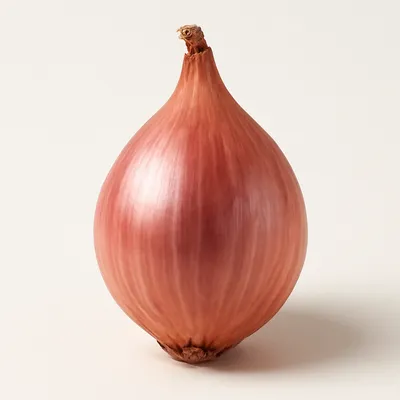
Heat a manchatti clay pot or heavy-bottomed pan over medium heat. Pound or blend together sliced shallots, garlic, ginger, Kashmiri chili powder, turmeric, and black pepper with a little water to form a coarse paste.
- 38 min
Pour 2 tablespoons coconut oil into the pot and add the spice paste; cook over medium-low heat for 6–8 minutes, stirring constantly, until the raw smell disappears and the paste deepens to crimson.
Watch outFry the spice paste until the raw smell lifts and it deepens to crimson — undercooked masala tastes harsh and the color stays dull.
- 45 min
Pour in the kudampuli soaking liquid plus 1 additional cup of water; stir well, bring to a gentle simmer, and taste for sourness — adjust with more kudampuli liquid or salt as needed.
- 512 min
Add the fish pieces, nestling them into the simmering curry; spoon the sauce over the tops. Cook uncovered over low heat for 10–12 minutes, gently shaking the pot rather than stirring to prevent the fish from breaking apart.
Watch outShake the pot instead of stirring while the fish cooks — a spoon breaks the delicate flesh apart in the curry.
- 610 min
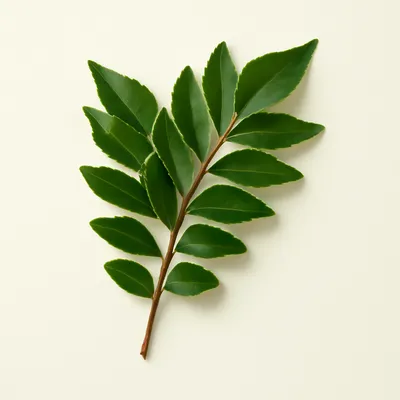
Tear a few fresh curry leaves and add directly to the pot in the final 2 minutes. Remove from heat, cover, and rest for at least 10 minutes — the curry deepens as it sits.
- 70 min
Serve directly from the manchatti at the table with steamed rice; the curry improves further the next day as the kudampuli continues to meld with the fish oils.


