A Mughlai vegetarian curry built on nine 'gem' ingredients — mixed vegetables, paneer, and dried fruits — simmered in a sauce of cashew-poppy seed paste, yogurt, and cream perfumed with saffron. The nine components reference the navaratnas, Emperor Akbar's legendary nine courtiers, lending the dish both historical symbolism and practical opulence.

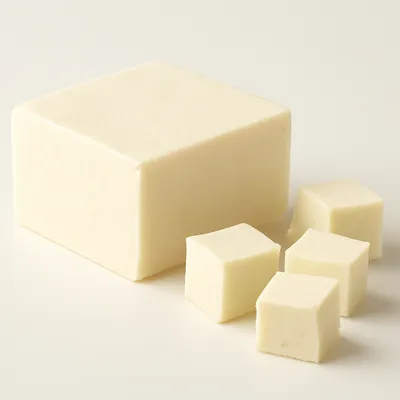

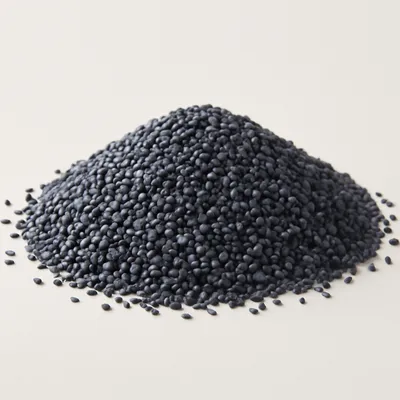
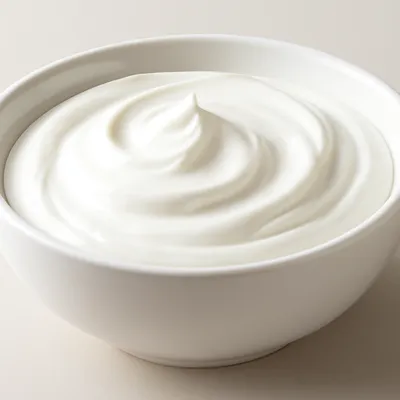

Navratan korma is associated with the royal kitchens of Emperor Akbar (r. 1556–1605), whose court at Agra and Fatehpur Sikri included nine legendary advisors — the navaratnas, among them Birbal, Tansen, and Todarmal. Akbar's inclusive court philosophy, which accommodated Hindu nobles and Rajput kings unaccustomed to meat, prompted his khansamas to devise richly flavored vegetarian preparations equal in ambition to the meat dishes for which Mughal cuisine was celebrated. The korma framework itself derives from the Turco-Persian qorma braising tradition that entered India with Babur's armies in 1526; Mughal chefs reconstructed it as a vegetarian preparation using nut pastes, yogurt, and cream in place of meat braising liquid.
The sauce is voluptuously thick — a pale saffron-gold built from cashew paste and cream — with a mild sweetness that lets nine distinct textures assert themselves: the slight resistance of carrot, the crumble of paneer, the chew of raisins, and the clean sweetness of pineapple all register against an earthy, gently spiced body.
The sauce begins with a cashew-poppy seed paste blended smooth: when cooked in ghee over medium heat, nut starches gelatinize and proteins denature, forming a stable, cohesive mass that thickens the gravy without breaking at temperatures below 90°C. Yogurt is added off the heat and stirred continuously to prevent casein proteins from curdling irreversibly; the existing fat-starch matrix stabilizes the casein before heat is restored. Saffron bloomed in warm cream releases the water-soluble pigment crocin and the volatile aroma compound safranal; added at the end, both compounds survive brief low-heat simmering intact. Maillard browning from the initial deep-golden onion-frying step builds the base savory compounds that the nut paste and cream subsequently enrobe.
Variations
South Indian versions replace cream with coconut milk and incorporate curry leaves and Kashmiri chili for a tangier profile. Some chefs include a tenth bonus ingredient — corn kernels or lotus seeds — while purists insist on exactly nine. A lighter hotel version uses roasted melon seeds and full-fat milk rather than cream to reduce richness.
On the Palate
Where Navratan Korma sits in the Indian flavor cloud
Ingredients
Serves 4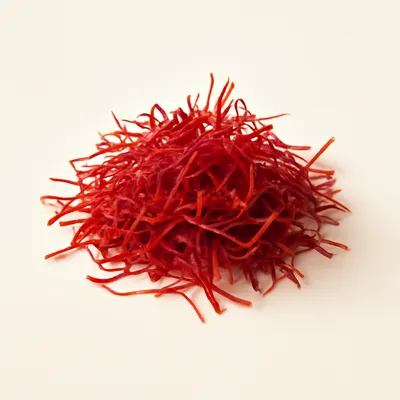
How it's made
8 steps · 15 min
- 135 min
Soak cashews and poppy seeds in warm water for 30 minutes; drain and blend with 3 tbsp fresh water to a very smooth paste.
- 22 min
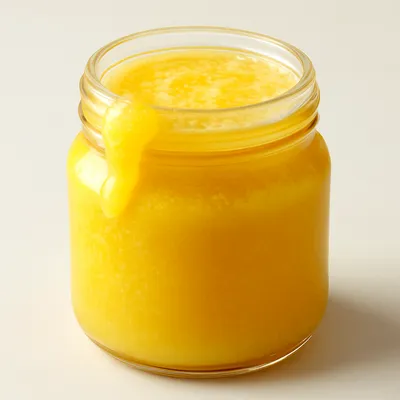
Heat ghee in a wide pan over medium heat; add whole cardamom pods, cloves, and a bay leaf; fry 30 seconds until aromatic.
- 310 min
Add finely sliced onions; sauté over medium heat until deep golden, about 10 minutes.
- 410 min
Add ginger-garlic paste; cook 2 minutes; add tomato purée, turmeric, coriander powder, and red chili powder; cook until oil separates, about 10 minutes.
- 55 min
Stir in cashew-poppy paste; cook on medium heat, stirring constantly, for 5 minutes until the paste darkens slightly and the raw smell disappears.
Watch outFry the cashew-poppy paste, stirring nonstop, until it darkens a shade and the raw smell lifts — undercooked it tastes chalky and raw.
- 610 min
Add mixed vegetables and 200ml water; cover and cook until vegetables are just tender, about 10 minutes.
- 75 min
Remove from heat; whisk yogurt smooth; stir into pan; return to low heat, stirring continuously, until fully incorporated and smooth, about 5 minutes.
Watch outTake the pan off the heat before whisking in the yogurt, then return it low and stir constantly — added hot or boiled, the yogurt curdles and splits.
- 85 min
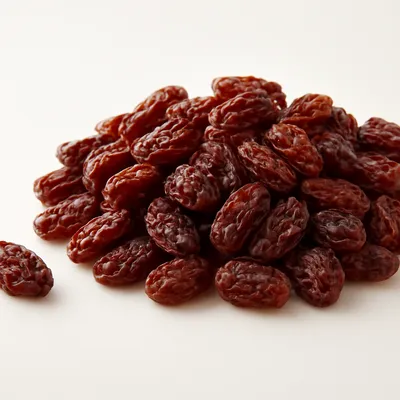
Add paneer cubes, cream, raisins, and saffron bloomed in 2 tbsp warm cream; simmer 5 minutes on low heat; adjust salt; serve.


