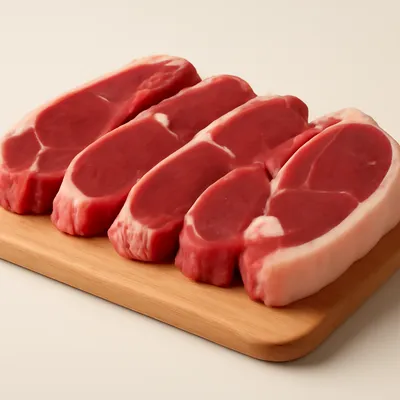
Mutton slow-braised in mustard oil with the five classic pickling spices — mustard seeds, nigella, fenugreek, fennel, and dried mango powder — producing a sharp, oil-glazed curry whose sourness comes from dried mango powder rather than vinegar or fermentation. The dish applies the logic of the Indian pickle jar directly to bone-in lamb: the same spice assemblage that preserves vegetables in oil here tenderizes and flavors a braised meat.


The achari flavour tradition — cooking meat with the spice assemblage traditionally used to preserve vegetables in oil — is documented across North India from at least the Mughal period, when oiled, spiced pickles traveled with armies and the nobility. The Hyderabadi Nizam's kitchens adapted the technique to bone-in goat and mutton, producing Achar Ka Gosht as a make-ahead banquet dish: the cooked meat improves overnight as the pickling spices continue to penetrate the muscle fibres. Its defining formula pairs mustard oil and a five-spice pickling blend with amchur (dried mango powder) as the souring agent — a choice that yields tartness without vinegar or fermentation.
The first bite is sharp — mustard oil's heat and fenugreek's slight bitterness — then fennel and nigella open into something floral and anise-edged, and the amchur brings a dry mango tartness that lingers without heaviness. The meat is tender with a slight pull at the bone, and the oil-glazed sauce clings to each piece.
Mustard oil is first heated to its smoke point (around 160 °C) and then cooled, a step that volatilizes the harsh allyl isothiocyanates responsible for raw mustard's pungency, leaving a milder, rounded heat. Searing the marinated mutton at high heat creates Maillard crusts that deposit flavor compounds into the cooking fat and seal surface moisture. Braising at a low simmer (around 90 °C) gradually converts the collagen in leg and shoulder cuts to gelatin, producing the characteristic unctuous sauce. Amchur's citric and malic acids begin denaturing surface proteins during the marinade phase, loosening connective tissue before heat is applied and accelerating overall tenderness during the long braise.
Variations
An Awadhi version uses yogurt as the primary marinade and omits amchur, relying on long marination and tomato for acidity; Achari Murgh (chicken with pickling spices) cooks faster and appears widely on restaurant menus; some Hyderabadi cooks add a spoonful of actual bottled mango or lime pickle to intensify the fermented edge the amchur alone cannot fully replicate.
On the Palate
Where Achar Ka Gosht sits in the Indian flavor cloud
Ingredients
Serves 4



How it's made
8 steps · 1 hour 15 min
- 160 min
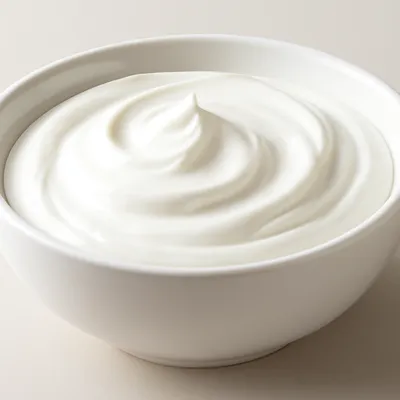
Combine 800 g bone-in mutton pieces with 3 tablespoons thick yogurt, ½ teaspoon turmeric, 1 teaspoon red chili powder, 1 teaspoon amchur (dried mango powder), and 1 teaspoon salt; mix well and marinate refrigerated for at least 1 hour.
- 25 min
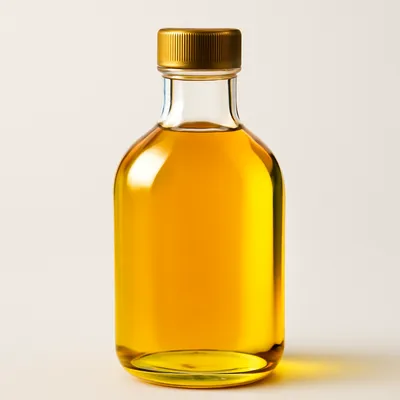
Heat 4 tablespoons mustard oil in a heavy pot over high heat until wisps of smoke appear; remove from heat and cool for 2 minutes to drive off raw pungency.
Watch outTake the mustard oil to wisps of smoke, then cool two minutes — this burns off its harsh raw pungency; skip it and the dish tastes acrid.
- 32 min
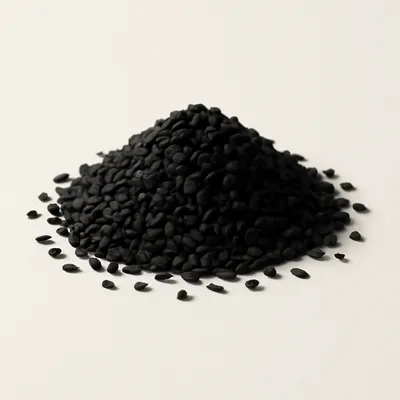
Return the pot to medium-high heat. Add ½ teaspoon each of mustard seeds, nigella seeds, fennel seeds, and fenugreek seeds; let them crackle for 30 seconds, then add 2 dried red chilies and stir for 10 seconds.
- 43 min
Add 1 tablespoon ginger-garlic paste and 3 slit green chilies; stir-fry for 2 minutes until the raw smell disappears.
- 55 min
Add the marinated mutton in a single layer, increase heat to high, and sear without stirring for 4–5 minutes until the meat takes color on the underside, then turn and repeat.
Watch outSear the mutton in a single layer without stirring until it colors underneath — crowding or fidgeting steams it gray and loses the browned depth.
- 68 min
Add 2 medium tomatoes (finely chopped), 1 teaspoon coriander powder, and ½ teaspoon garam masala; cook, stirring, until the tomatoes collapse and oil visibly separates at the pan edges, about 8 minutes.
Watch outCook the tomatoes down until oil visibly pools at the pan edges — that's the sign the masala base is properly bhuna'd and ready for water.
- 740 min
Add ½ cup water, cover tightly, and braise over low heat for 35–40 minutes, checking once halfway; add a splash of water only if the pot has dried out.
- 810 min
Uncover, increase heat to medium-high, and stir until the gravy tightens to a thick, oil-glistening coat around the meat. Adjust salt, scatter 1 teaspoon amchur over the top, and rest 10 minutes before serving with roti or naan.


