
Minced mutton (goat) cooked dry-ish with green peas in a browned onion-tomato masala — keema mutter in the North Indian sense. The mince is bhuna-fried with whole and ground spices until the fat renders and the grains separate, then peas are stirred through, leaving a thick, almost dry masala rather than a gravy. It is robust home and dhaba cooking, eaten with pav, roti, or paratha.
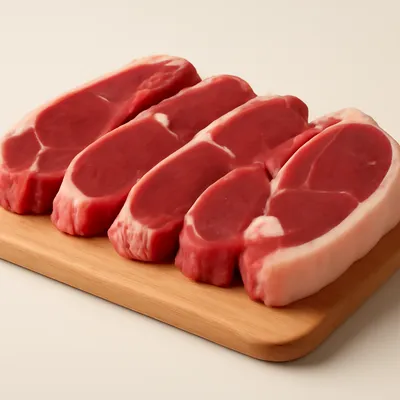



Keema — spiced minced meat — runs through Mughlai and broader North Indian and subcontinental cooking, from keema mutter to keema-stuffed breads and kebabs, and is not traceable to a single origin. The Punjabi home and dhaba version pairs goat mince with green peas in a bhuna masala, mutton in Indian usage meaning goat rather than sheep. It belongs to everyday North Indian meat cookery with no documented inventor; related minced-meat dishes appear across Pakistani and Afghan kitchens too.
Crumbly, separate grains of browned goat mince glistening with rendered fat and oil, dotted with sweet green peas, in a thick masala that clings to the meat rather than pooling. The taste is deeply savory and aromatic — browned onion, warm garam masala, ginger, and the gamey richness of goat — with a tang of tomato and the pop of peas. Medium heat. Eaten with buttered pav or roti. If it is wet and pale, the mince was crowded and steamed rather than bhuna-fried.
Good keema depends on the bhuna: the mince is fried over steady heat, broken up and stirred so it browns and its grains separate rather than clumping or stewing in released water. This rendering and Maillard browning are where the savory depth comes from, much as searing builds flavor in any minced-meat dish. Goat mince has connective tissue, so the dish is then simmered, often covered, until the meat is tender, with the liquid finally cooked off to leave it dry. Peas go in late so they stay bright and just-tender rather than greying.
Variations
Keema mutter is the pea version; keema aloo swaps in potato, and a wetter keema is left with more gravy for rice. Restaurant keema can be richened with a little cream or finished with ginger juliennes and green chili. Beyond Punjab, keema fills parathas, samosas, and pav, while Hyderabadi and Mughlai versions add more whole spice and sometimes a dum finish; the same dish made with lamb or beef is common in diaspora kitchens.
On the Palate
Where Mutton Keema sits in the Indian flavor cloud
Ingredients
Serves 4


How it's made
8 steps · 20 min
- 13 min
Rinse the minced mutton and drain it well.
- 23 min
Heat oil or ghee and bloom whole spices — bay leaf, cloves, cardamom, and cumin seeds.
- 38 min
Fry finely chopped onion until deep golden, then add ginger-garlic paste and cook off the raw smell.
- 46 min
Add chopped tomato and cook until softened and the oil separates, then stir in turmeric, coriander, and chili powder.
- 510 min
Add the mince and bhuna-fry over medium-high heat, breaking up clumps, until it browns and the grains separate.
Watch outBhuna over steady heat, breaking clumps, until the grains brown and separate — stewed in its own water, the mince stays pale and flavorless.
- 612 min
Add a little water, cover, and simmer until the goat mince is tender.
- 76 min
Stir in the green peas and cook until tender and any remaining liquid has cooked off, leaving it dry.
Watch outAdd the peas late so they stay bright and just-tender — in early they grey out and go soft.
- 82 min
Finish with garam masala, chopped coriander, and ginger juliennes, and serve with pav or roti.
Archive tool suggestions — not reviewed
These legacy suggestions have not been evidence-reviewed and are not presented as required tools.


