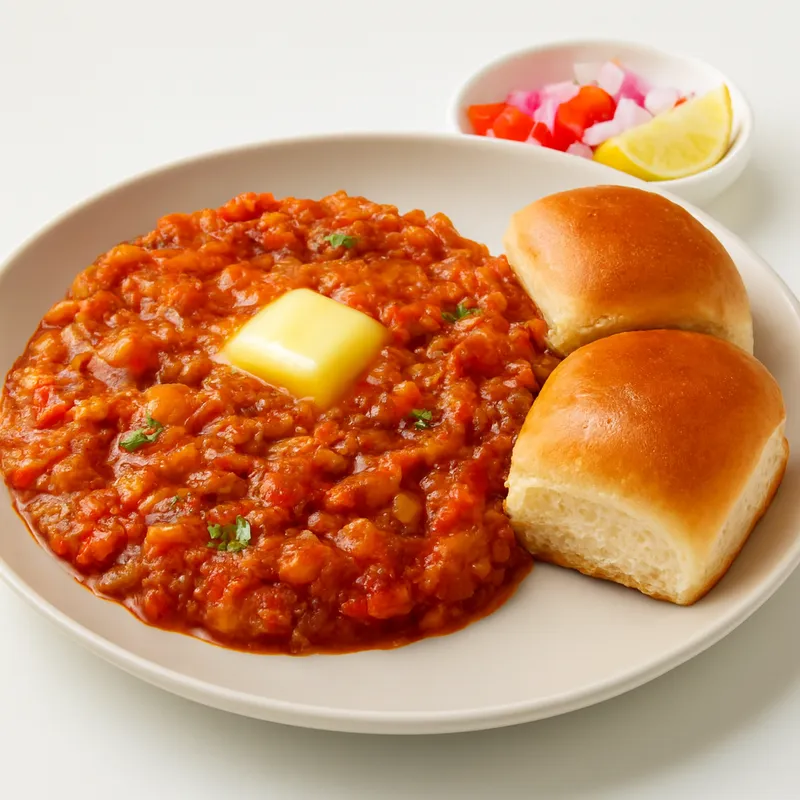
Muri Ghonto is the quintessential Bengali fish head dish — the fried head of a rohu or katla carp braised down with soaked Gobindobhog rice, diced potato, and whole spices until every grain of rice absorbs the fish gelatin, mustard oil, and spice. The name is blunt Bengali shorthand: the first half means head, the second means amalgam. It is a mandatory presence at Bengali wedding feasts and ritual spreads, always arriving before the main fish course.




The ghonto class of slow-cooked Bengali amalgam dishes appears across the culinary traditions of West Bengal and Bangladesh, with roots in the medieval Bengali household kitchen. Muri Ghonto is distinguished by its use of the fish head — the part of the carp considered most prized in Bengali cooking for its collagen richness and depth of flavour, reflecting the longstanding principle that no edible part of the fish goes unused. The dish uses Gobindobhog rice, the prized aromatic short-grain cultivar of West Bengal's Hooghly district, which distinguishes it from the Bangladeshi variant that substitutes moong dal. Muri Ghonto is a mandatory presence at the traditional Bengali puja feast and wedding banquet, always served before the main fish course, and has been documented as one of the foundational preparations of Bengali cuisine by Calcutta food writers across the twentieth century.
The first spoonful offers three simultaneous sensations: the tender give of rice swollen fat with fish stock, sweet flakes of carp meat that pull from the bone without effort, and the rounded warmth of mustard oil that lingers at the back of the throat. Potato cubes have collapsed to silk, spiced through to their centres.
Sauteing the fish head in mustard oil at around 180 ℃ achieves two simultaneous effects: the Maillard reaction produces a rich array of aromatic compounds on the browned surface, while partial collagen denaturation in the skull bones and cartilage begins the conversion to gelatin. The subsequent long braise sustains a temperature of 70–80 ℃ for 20 minutes, fully melting fish collagen to gelatin and dissolving it into the cooking liquid to contribute body and a characteristic lip-coating richness. Gobindobhog rice releases high levels of amylose and amylopectin during cooking, thickening the liquid into a cohesive mass, while its high content of 2-acetyl-1-pyrroline — the same volatile aromatic compound responsible for basmati's fragrance — imparts a distinctive floral quality. The initial tempering of whole spices in hot mustard oil extracts fat-soluble terpenes and eugenol before any aqueous ingredient is added, maximising their aromatic contribution. Mustard oil's allyl isothiocyanates mellow from sharp to rounded as cooking progresses.
Variations
The Bangladeshi variant replaces rice with moong dal, producing a spicier, more stew-like result. Some West Bengal cooks add moong dal alongside the rice for extra body. A festive version enriches the dish with cashews and raisins, echoing Bengali pulao tradition. In some households a small amount of tomato is added for acidity to cut the richness.
On the Palate
Where Muri Ghonto sits in the Indian flavor cloud
Ingredients
Serves 4

How it's made
8 steps · 20 min
- 120 min
Soak Gobindobhog rice in cold water for 30 minutes, then drain. Wash the fish head, split in half, and marinate with turmeric powder, red chilli powder, and salt for 15 minutes.
- 210 min
Heat mustard oil in a heavy-bottomed pan or kadai until it just begins to smoke; fry the fish head halves skin-side down first, pressing gently, about 4 minutes per side until deeply golden. Remove and set aside.
Watch outFry the fish head halves skin-side down first, pressing gently, until deeply golden — that browned skull is where the dish's rich, savoury base comes from.
- 32 min
In the same oil over medium heat, add dried red chillies, bay leaves, cumin seeds, green cardamom pods, a cinnamon stick, and cloves; fry for 30 seconds until the spices crackle and are fragrant.
- 48 min
Add thinly sliced onions and fry until deep golden. Stir in ginger-garlic paste and cook until the raw smell is gone and the paste begins to catch on the pan.
- 53 min
Add ground turmeric, cumin powder, and red chilli powder; stir for 1 minute. Add diced potato and stir to coat thoroughly in the spiced oil.
- 63 min
Add the drained soaked rice; stir gently for 2 minutes to toast the grains in the spiced oil.
- 722 min
Nestle the fried fish head halves into the rice; pour in enough hot water to stand 1.5 cm above the surface; add salt; bring to a boil, then reduce to the lowest heat, cover tightly, and cook for 20 minutes without lifting the lid.
Watch outOnce the water's in, keep the heat at its lowest and don't lift the lid for 20 minutes — peeking lets the steam out and the rice cooks unevenly.
- 85 min
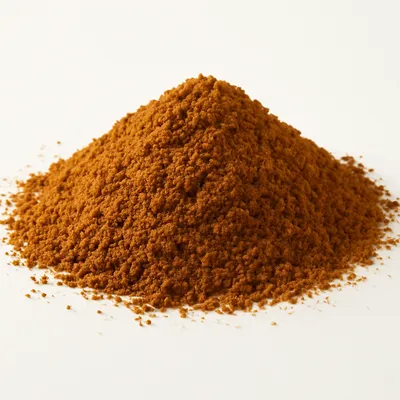
Remove from heat. Sprinkle Bengali garam masala over the surface and add a generous knob of ghee; replace the lid and rest for 5 minutes before serving directly from the pan.