
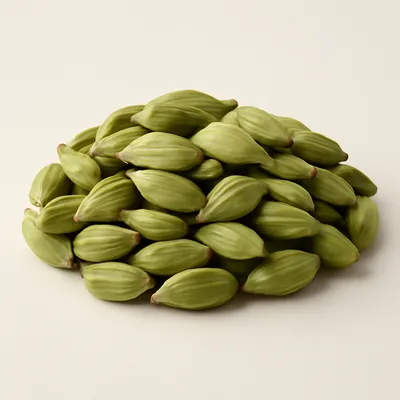
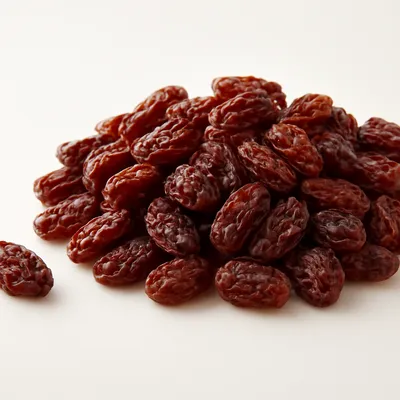
Chhena Poda — literally 'burnt cheese' in Odia — is the signature dessert of Odisha in eastern India. Fresh chhena, the same acid-set, paneer-like milk curd used for rasgulla, is mashed with sugar and a little semolina, often with cardamom, cashews and raisins, then slow-baked for an hour or more until the surface caramelizes to a deep reddish-brown and the interior sets into a moist, smoky, fudge-like cake. Traditionally it is baked over a low wood or coal fire in a dish lined with sal leaves, which scent the cheese and keep it from sticking. It is closely tied to the Jagannath temple in Puri, where it is offered to the deities and is said to be a favorite of Lord Jagannath.
Chhena Poda is regarded as the signature sweet of Odisha and grows out of the region's long fresh-chhena tradition — the acid-coagulated, undrained milk curd that eastern India also turns into rasgulla and rasabali. It is said to have been created in the early-to-mid 20th century by a sweet-maker, commonly named as Sudarshan Sahoo of Dasapalla in Nayagarh district, who is said to have mixed leftover chhena with sugar and left it overnight in a warm wood-fired chulha, discovering the next day that it had baked into a firm, caramelized, smoky cake; this folk account is widely repeated but not firmly documented, and Nayagarh is still treated as the dish's home. Odisha has applied for a Geographical Indication tag for Nayagarh Chhena Poda, with the application registered and the process underway rather than yet granted. The sweet is also offered at the Jagannath temple in Puri and is popularly held to be a favorite of Lord Jagannath.
The top is a dark, caramelized, slightly charred crust that gives way to a warm, moist, smoky interior somewhere between ricotta and fudge. Flecks of cardamom and cashew run through it, with raisins for bursts of sweetness. It tastes of roasted sugar and milk, sweet in the middle with a faint burnt-sugar bitterness at the browned edges. Best eaten warm or at room temperature, cut into thick wedges.
Chhena is made by acid-coagulating hot fresh milk: lemon juice, vinegar or citric acid (best around 80–85°C) drops the pH so the casein proteins lose their charge, clump into soft curds, and are drained but not pressed dry. Mashed with sugar and semolina, the semolina absorbs the curd's moisture and helps bind the batter so it sets rather than weeps. The long, gentle bake — a low oven or bed of coals, roughly 150–180°C for one to two hours — drives both Maillard browning between milk proteins and sugars and caramelization of the sugar at the surface, which together build the deep reddish-brown 'poda' crust and its toasted, faintly smoky aroma; an open coal fire adds genuine smoke. A lining of sal leaves perfumes the cake and stops it sticking. As it cools, the set curd-and-semolina matrix firms up enough to slice into clean wedges.
Variations
The traditional version is wood- or coal-fired in a sal-leaf-lined dish, prized for its real smoky note; modern home cooks adapt it to the oven, and even the pressure cooker or a covered pan on the stovetop. Recipes range from a plain chhena-sugar-semolina batter to richer ones studded with cashews, raisins and cardamom; some use jaggery in place of or alongside sugar for a darker, molasses note. Nayagarh-style remains the benchmark. It belongs to a family of fresh-chhena sweets that includes rasgulla (curds boiled in syrup), chhena gaja and rasabali; a common shortcut is to line the baking tin with a layer of caramel for the browned crust.
On the Palate
Where Chhena Poda sits in the Indian flavor cloud
Coagulate the milk gently around 80–85°C and drain the chhena moist, not dry — semolina binds it into a sliceable cake, but only if the curd goes in soft and damp.
Ingredients
Serves 8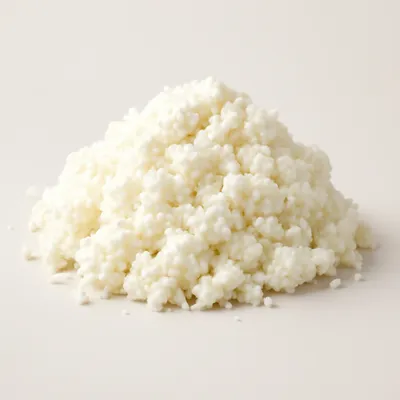




How it's made
7 steps · 30 min
- 110 min
Bring fresh full-fat milk to a boil, then add lemon juice or vinegar a little at a time, stirring, until the milk splits into soft white curds and clear whey.
Watch outThe milk has split when soft white curds separate cleanly from clear, greenish whey.
- 210 min
Strain the curds through muslin, rinse briefly under water to remove sourness, and gently squeeze out most of the whey — the chhena should stay soft and moist, not dry.
- 315 min
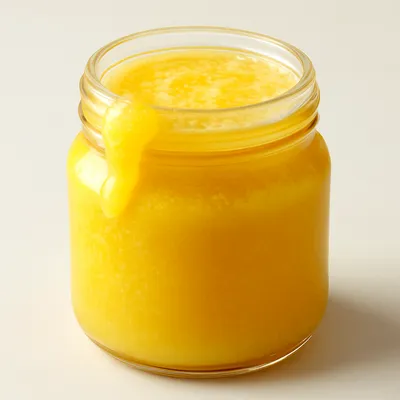
Knead the warm chhena on a board for a few minutes until smooth, then mix in the sugar, semolina, cardamom and a little ghee; fold in the chopped cashews and raisins and let the batter rest so the semolina hydrates.
- 45 min
Grease a baking dish or tin with ghee and line it with sal leaves or parchment; for a deeper crust, coat the base with a thin layer of melted-and-caramelized sugar.
- 580 min
Pour in the batter, level the top, and bake in a low oven (or over a bed of coals with embers on the lid) at about 160–180°C until the surface is deep reddish-brown and caramelized, roughly 1 to 1.5 hours.
Watch outBake until the top is deep reddish-brown and caramelized, not just pale golden.
- 610 min
Check that the centre is set — a skewer should come out clean and the cake should feel firm — then remove and let it cool to warm or room temperature.
Watch outA skewer in the centre comes out clean and the cake feels firm when it's set.
- 75 min
Peel off the leaves or parchment and cut into thick wedges to serve.
Archive tool suggestions — not reviewed
These legacy suggestions have not been evidence-reviewed and are not presented as required tools.


