A thick, sweet, multi-layered flatbread of the Kashmiri (and wider South Asian) tradition, made from a dough repeatedly folded with ghee, milk, and sugar to form hundreds of crisp, flaky layers, then baked in a tandoor. Crisp as a biscuit outside, soft within, it is the festive breakfast bread of the valley, taken with noon chai or kahwa.

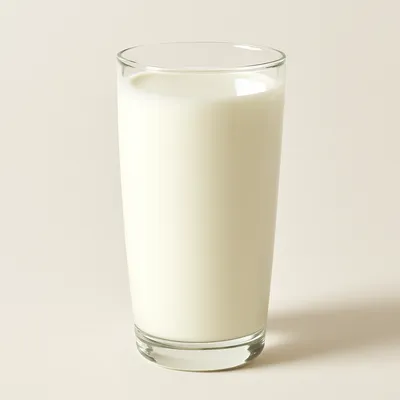


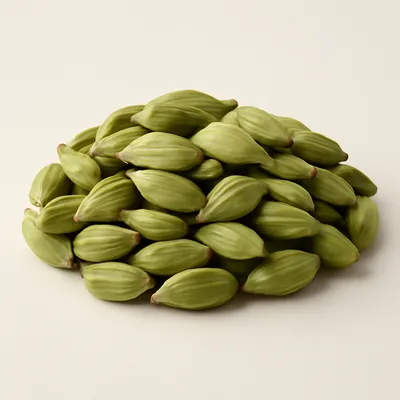

Baqarkhani (bakarkhani, bakorkhoni) is a thick, layered, slightly sweet flatbread of Mughlai cuisine that became one of the defining breads of Kashmir, where it is baked in a tandoor and eaten at breakfast with noon chai or kahwa. The bread's origin lies in the Mughal period — historical accounts place it in the 17th century, possibly in Murshidabad in present-day West Bengal — and from there it traveled along the networks of the Mughal and post-Mughal world to become a beloved bread in Kashmir, Dhaka, and beyond. A widely repeated legend, recorded in several 19th-century sources, derives the name from a warrior called Bakar Khan; the story is local legend rather than documented record. What is certain is the bread's method: a dough of refined flour, milk, ghee, sugar, and sometimes cardamom is rolled, folded, and layered repeatedly — the same lamination logic as a puff pastry — to create many thin, crisp layers separated by films of ghee, then baked in a hot tandoor until the outside is biscuit-crisp and the inside soft and flaky. In Kashmir the bread is closely tied to the morning ritual of the valley, eaten hot from the kandur (the traditional baker).
A shattering, biscuit-crisp exterior giving way to soft, flaky, faintly sweet layers, with the warm aroma of ghee and a thread of cardamom.
The flaky layers are the product of lamination. The dough is folded repeatedly with thin films of ghee between each fold, so that a small number of folds produces a geometrically large number of distinct fat-separated layers — the same principle as a puff pastry or a croissant, though here with ghee rather than butter. In the tandoor's high, radiant heat — typically 300–400°C at the walls — the water in the dough's starch and in the ghee's moisture flashes to steam, separating the layers further while the starch gelatinizes and the surface dehydrates into a crisp, biscuit-like crust through Maillard browning on the milk proteins and sugar. The sugar in the dough both sweetens and accelerates browning; the milk solids in the dough and the ghee contribute a roasted, dairy richness. Because the layers are separated by fat rather than connected by a continuous gluten network, the baked bread splits into crisp sheets at the bite.
Variations
A sweeter, richer Dhaka version is more elaborate; some Kashmiri forms are savory, and the bread is sometimes finished with a sprinkle of sesame or poppy seed.
On the Palate
Where Baqarkhani sits in the Indian flavor cloud
Ingredients
Serves 6How it's made
6 steps · 30 min
- 18 min
Mix refined flour with warm milk, ghee, sugar, salt, and a little cardamom into a soft dough, and rest it covered.
- 26 min
Knead the dough smooth, then roll it out thin and spread ghee across the surface.
- 38 min
Fold the dough over itself several times, roll again, and repeat the lamination to build many layers.
Watch outFold and re-roll with a thin film of ghee between each fold — leave gaps or let the fat break through and the layers weld together instead of staying flaky.
- 45 min
Rest the laminated dough briefly, then portion and shape each piece into a thick round.
- 58 min
Bake in a hot tandoor (or a very hot oven) until the outside is deep golden and crisp and the inside is cooked through.
Watch outBake until the outside is deep golden and crisp with the inside cooked through — the tandoor's fierce heat sets the biscuit-crisp shell; pale means the layers never separated.
- 63 min
Brush with ghee and serve hot with noon chai or kahwa.
Archive tool suggestions — not reviewed
These legacy suggestions have not been evidence-reviewed and are not presented as required tools.


