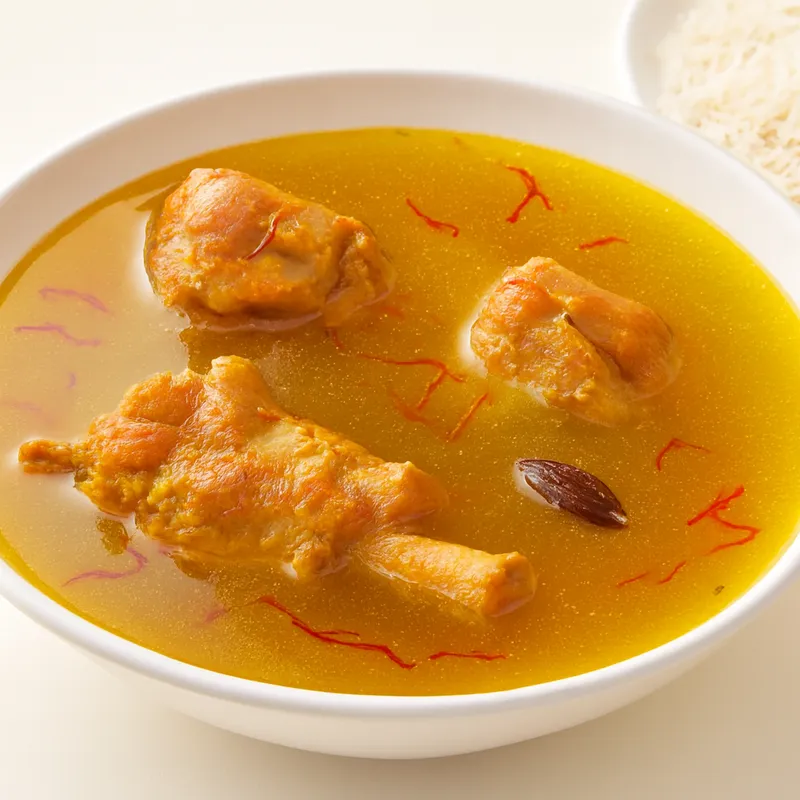
A Parsi sweet pastry in which a flaky dough is wrapped around a dense filling of sweetened toor dal (dar), nuts, cardamom, and nutmeg, then baked or griddled. It is the Parsi expression of the wider Indian puran poli family, born — by the community's own account — of the marriage between the Persian halwa tradition and the Indian sweet-lentil filling.
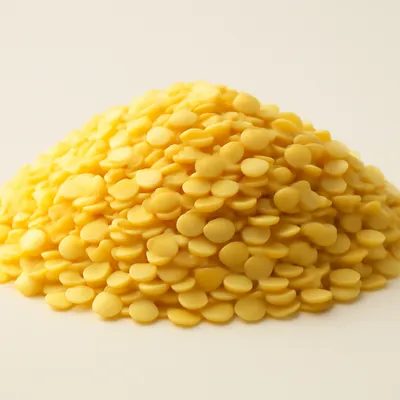


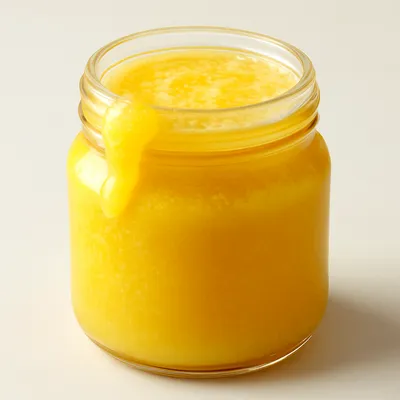
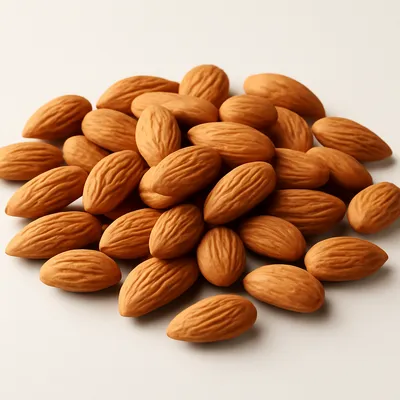
Dar ni pori (daar ni pori, dal ni pori) is a sweet stuffed pastry of Parsi cuisine, served at auspicious occasions and festive meals. Its name is plain Parsi Gujarati: dar means the toor dal (pigeon pea) filling, pori the pastry that encloses it. The filling is built from toor dal soaked, pressure-cooked, mashed, and sweetened with sugar or jaggery, enriched with chopped nuts and flavored with cardamom and nutmeg; the enclosure is a flaky, layered pastry dough, baked or cooked on a griddle. The dish sits within the wider Indian family of sweet-lentil stuffed flatbreads — the Maharashtrian puran poli, the Karnataka obbattu, the Gujarati ubbati — but the Parsi form is distinguished by its pastry-style, layered enclosure and by the community's own understanding of its origin: a marriage of the Persian halwa tradition their ancestors carried from their homeland and the Indian puran (sweet lentil filling) of their hosts. Dar ni pori is served at Parsi auspicious occasions and is one of the sweets that marks a festive table.
Flaky, buttery pastry yielding to a dense, sweet, cardamom-and-nutmeg-scented lentil center studded with nuts.
Two techniques define the pastry. First, the flaky layers come from lamination — the dough is folded with ghee or butter between each fold, so a few folds produce many fat-separated layers (the same logic as a puff pastry), and on baking the water within each layer flashes to steam, separating them further while the starch gelatinizes and the surface browns. Second, the toor-dal filling is cooked dry and bound with sugar so it holds together as a cohesive paste that does not weep water into the pastry during baking; the dal's starch gelatinizes during its pressure-cooking, and the dissolved sugar raises the filling's viscosity so it sets firm. The filling must be cool before enclosing, or it would melt the fat between the pastry layers and destroy the lamination. Cardamom and nutmeg, both fat-soluble, are carried by the filling's small fat content and the pastry's ghee.
Variations
A baked form is richer and more pastry-like; a griddled form is flatter and more like puran poli, and the nut mix varies by household.
On the Palate
Where Dar ni Pori sits in the Indian flavor cloud
Ingredients
Serves 6
How it's made
6 steps · 40 min
- 112 min
Soak toor dal overnight, then pressure-cook until very soft; drain thoroughly and mash.
Watch outCook the dal filling dry and cohesive — a wet filling weeps water into the pastry during baking and turns the layers soggy.
- 28 min
Mix the mashed dal with sugar or jaggery, chopped nuts, cardamom, and nutmeg; cook briefly to a thick, cohesive filling, then cool.
- 310 min
Prepare a flaky pastry dough of flour and ghee, rested and laminated with several folds.
Watch outLaminate with ghee between each fold to keep the layers apart — skip the fat and they fuse into one dense sheet, not flaky.
- 48 min
Roll out the pastry, cut into rounds, place a portion of filling on each, and seal into a parcel.
- 512 min
Bake in a moderate oven, or cook on a hot griddle, until the pastry is golden and flaky.
Watch outBake until the pastry is golden and visibly flaky — pale means the layers haven't set crisp and will be doughy inside.
- 64 min
Serve warm, dusted with a little sugar or topped with extra nuts.
Archive tool suggestions — not reviewed
These legacy suggestions have not been evidence-reviewed and are not presented as required tools.