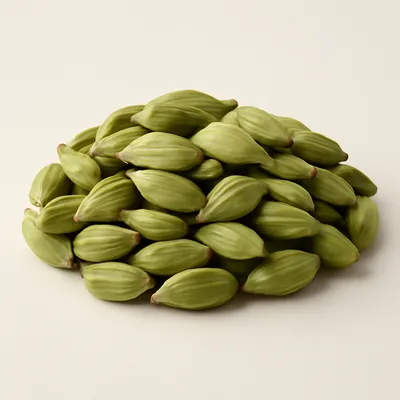
Nankhatai is an Indian eggless shortbread biscuit made from refined flour (and often a little gram flour or semolina), ghee and powdered sugar, leavened lightly and scented with cardamom. The dough is bound by fat alone — no egg, no water — rolled into small rounds, pressed with a slivered pistachio or almond, and baked until pale gold and crackled on top. It is dense, crumbly and short, melting to a fine sandy crumb in the mouth, and is one of the most common tea-time biscuits across India and Pakistan. Sold loose by weight at old bakeries and sweet shops, it keeps well and is especially associated with festivals and the cooler months.



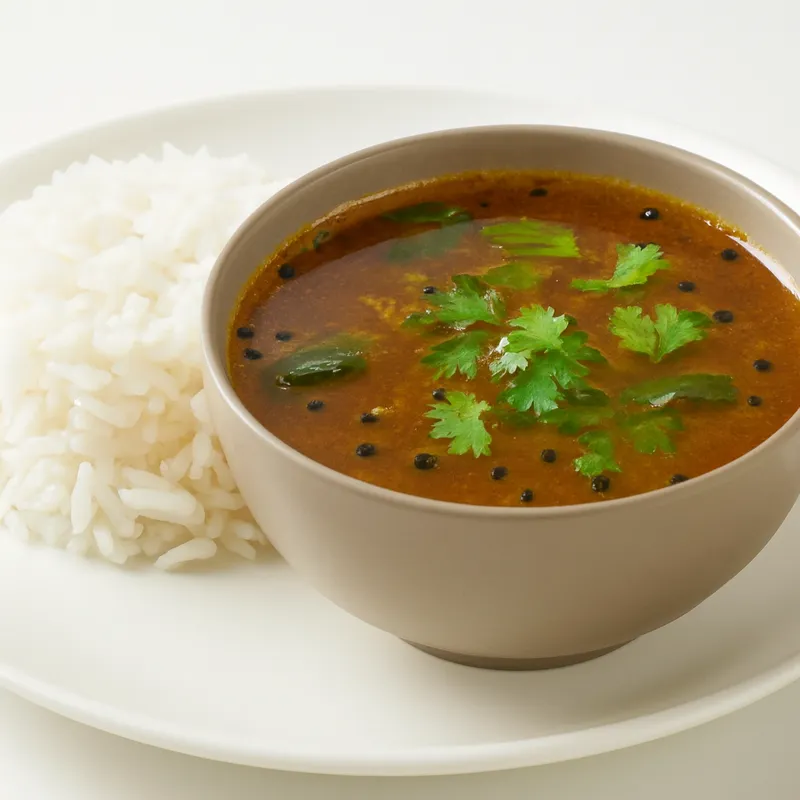
Nankhatai's origin is traced to Surat in Gujarat and to the colonial-era Dutch bakery trade. The most commonly told account holds that the Dutch operating in the port of Surat employed local Parsi bakers, who learned to make a toddy-leavened European bread; when the Dutch left, their ovens passed to the Parsi baker Faramji Pestonji Dotivala, whose family bakery (long claimed to be among the oldest in India) adapted the unfamiliar, eggless-averse, alcohol-averse local taste by reworking the recipe with ghee and Indian flavourings, from which nankhatai is said to have developed. The precise dating is uncertain and the story is more popular tradition than firm record. The name is usually read as 'naan' (bread) plus 'khatai' (biscuit); a folk reading that 'khatai' means 'six' for an original six ingredients, and another linking it to 'Cathay' (China), are not established.
A small, pale-gold dome, smooth-bottomed and finely cracked across the top, often crowned with a green pistachio sliver. It crumbles the instant it is bitten, with no chew and no snap — it shatters into a dry, fine, sandy crumb that melts and coats the mouth, like the shortest of shortbreads. The flavour is buttery ghee and sweet, gently toasted flour, lifted by warm cardamom and sometimes a nutmeg or saffron note, with a faint savoury edge if gram flour is used. It is dry rather than greasy when well made, and is eaten with tea, a couple at a time.
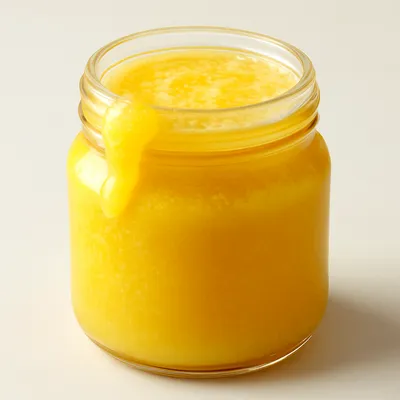
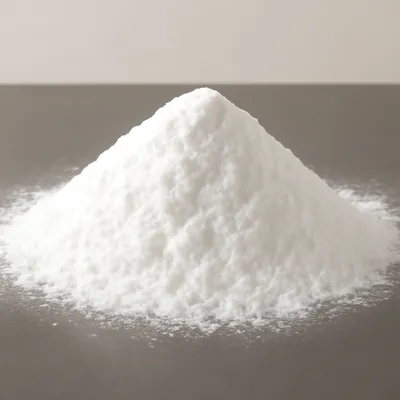
Nankhatai is shortbread chemistry — fat shortening flour with no water. Ghee (solid at room temperature) is creamed with powdered sugar, then flour is folded in only until it just comes together; because the fat coats the flour and there is no added liquid, very little gluten can form, which is what makes the biscuit short and crumbly rather than tough. Powdered sugar (rather than granular) keeps the crumb fine. A pinch of baking soda or powder gives a light lift and the characteristic surface cracks, which form as the outside sets while the inside continues to rise and spread. It is baked at a moderate temperature (around 160–170°C) so it dries out and turns pale gold without browning hard; over-baking dries it to dust, under-baking leaves it doughy. It firms as it cools, since the ghee re-solidifies. Resting or chilling the dough briefly helps it hold its shape.
Variations
The basic biscuit is plain maida-and-ghee nankhatai scented with cardamom; very common variants blend in gram flour (besan), fine semolina (suji/rava) or chickpea flour for a coarser, more savoury crumb, and flavour with nutmeg, saffron, rose or, in modern bakeries, dry fruit, coconut, chocolate or pista. Some bakeries finish them with a crackled top and a pressed nut, others keep them plain. The biscuit is shared across India and Pakistan, where it is equally a staple of old Irani and Parsi bakeries; the Surti (Surat) style is held up as the original. Thicker, softer versions exist alongside thin, crisp ones.
On the Palate
Where Nankhatai sits in the Indian flavor cloud
Ingredients
Serves 12
How it's made
6 steps · 15 min
- 16 min
Cream ghee with powdered sugar until pale, light and smooth.
- 26 min
Sift in the flour (with gram flour or semolina if using), cardamom and a pinch of baking soda; bring together into a soft, non-sticky dough without kneading.
Watch outBring the dough together just until it forms, no kneading — the fat shortens the flour with no water, and working it develops gluten that turns the biscuit tough.
- 315 min
Rest the dough briefly so it firms enough to shape.
- 48 min
Roll into small balls, place spaced apart on a lined tray, flatten slightly and press a pistachio or almond sliver on top.
- 518 min
Bake at about 160–170°C until pale gold and cracked on top, not browned.
Watch outBake at 一百六十度 only to pale gold with cracked tops — brown it and it's overbaked; the cracks form as the outside sets while the inside still rises.
- 620 min
Cool on the tray — they are fragile while warm and firm as they cool.
Archive tool suggestions — not reviewed
These legacy suggestions have not been evidence-reviewed and are not presented as required tools.