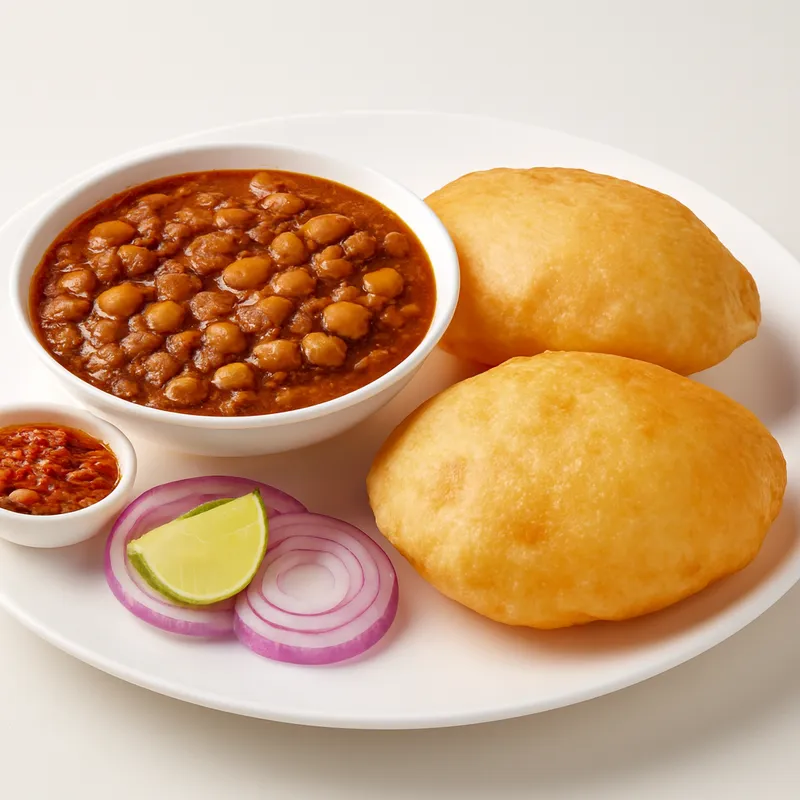
Ulavacharu is a dark, earthy broth of horse gram (ulavalu) from coastal Andhra Pradesh, especially the Godavari delta. Horse gram is soaked, slow-boiled for hours until it softens and the cooking water turns thick and brown, then that liquor is strained, soured with tamarind, seasoned and reduced into a rich, almost glossy soup. Smoky, nutty and tangy, it is traditionally ladled over rice with a spoon of ghee, and in restaurant versions is often enriched with fresh cream or paired with country chicken (Ulavacharu Natu Kodi). It is a slow dish, prized as both comfort food and a regional delicacy.
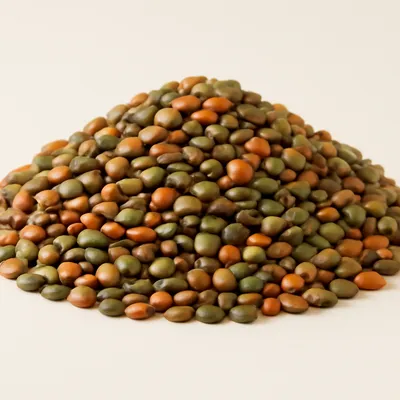



Ulavacharu is a specialty of the Telugu-speaking coastal districts, most associated with the East and West Godavari region, where horse gram (Macrotyloma uniflorum) has long been a hardy, protein-rich pulse of dryland farming. It is traditional home and feast cooking with no recorded inventor; the dish turns a humble, slow-cooking legume into a delicacy through hours of boiling and reduction. Horse gram has a long history in Indian agriculture and Ayurveda, valued as warming and as a folk remedy, though such medicinal claims are traditional rather than clinically established. The cream-enriched, restaurant-style ulavacharu is a more recent refinement of the rustic original.
A thick, dark coffee-brown broth, glossy and almost gravy-like when reduced. The flavor is deep and earthy — the roasted, nutty character of long-boiled horse gram — cut through by tamarind sourness and a savory warmth of spice. With cream stirred in it turns mellow and velvety; in the rustic version it stays leaner and tangier. Poured over hot rice with ghee, it coats every grain in an earthy, slightly smoky richness; the country-chicken version adds firm shreds of meat to the broth.
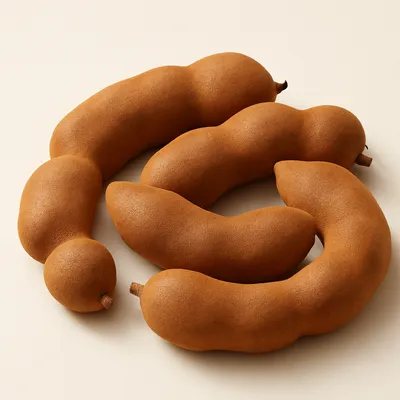
Horse gram is one of the hardest pulses, with a tough seed coat, so it needs long soaking and hours of boiling to soften and to leach its starch and flavor into the cooking water — it is this brown, body-rich liquor (charu), not the beans themselves, that makes the dish. Reduction concentrates the leached starch and the leguminous, roasted-tasting compounds into a thick broth. Tamarind is added for sourness, which both balances the earthiness and brightens the flavor. Cream, when used, emulsifies into the liquor to soften the tang and round the body; without it, the broth stays leaner. The slow boil also develops the characteristic dark colour and toasty aroma.
Variations
Plain ulavacharu is the rustic version, soured with tamarind and tempered with garlic and chili. The popular restaurant style folds in fresh cream for a smoother, richer soup, and Ulavacharu Natu Kodi simmers country chicken in the horse-gram broth. Some cooks reserve the boiled horse gram to make a separate dry curry (ulava guggillu) so nothing is wasted, while a few add a final tempering of curry leaf and dried chili. Consistency ranges from a pourable soup to a thick, almost gravy-like reduction.
On the Palate
Where Ulavacharu sits in the Indian flavor cloud
Ingredients
Serves 4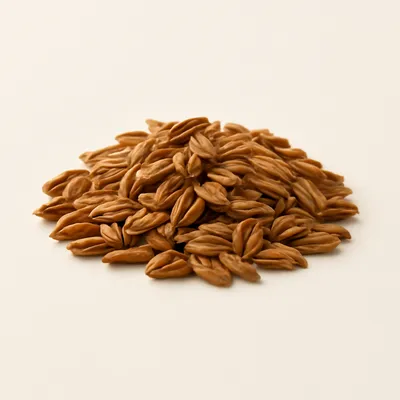
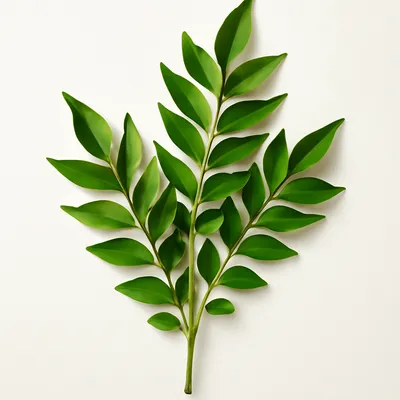

How it's made
6 steps · 20 min
- 1150 min
Soak horse gram overnight, then boil with plenty of water for two to three hours until very soft and the water turns thick and brown.
Watch outBoil the soaked horse gram for two to three hours until the water turns thick and brown — that leached liquor, not the beans, is the whole dish.
- 210 min
Strain, reserving the dark cooking liquor (the boiled grams can be set aside for a separate dish).
- 38 min
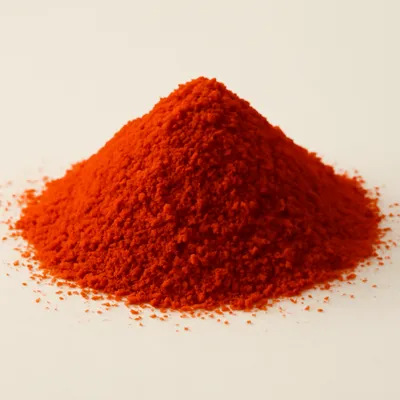
Soak tamarind and extract a thick juice; add it to the reserved liquor with salt and chili powder.
- 420 min
Simmer the liquor to reduce and concentrate it into a thick, glossy broth.
Watch outSimmer the liquor down until thick and glossy — reduction concentrates the roasted, leguminous flavor into the body it's known for.
- 56 min
Prepare a tempering of mustard seeds, cumin, garlic, dried chili and curry leaf and stir it in; fold in cream if using.
- 62 min
Serve hot, ladled over steamed rice with a spoon of ghee.
Archive tool suggestions — not reviewed
These legacy suggestions have not been evidence-reviewed and are not presented as required tools.