
A everyday North Indian lentil dish: yellow split pigeon peas (toor) or split moong, boiled soft and finished with a tadka — a sizzling tempering of ghee, garlic, cumin, dried red chili, and asafoetida poured over the top so it crackles. Unlike the long-simmered, dairy-heavy Dal Makhani, this is light, quick, and built entirely around the aromatic punch of the hot fat poured on at the end. It is the default home and dhaba dal across much of North India.



Tempering a cooked dal with hot fat and spices — variously called tadka, chaunk, or baghar — is a foundational North Indian home technique rather than a single invented dish, documented across regional cookbooks as the standard way to finish lentils. The yellow toor-or-moong tadka dal became a fixture of Punjabi dhabas (roadside eateries), where it is cooked fast and finished tableside-loud with a ghee-garlic tempering. Because it is folk home cooking, it has no individual inventor or date; it is named for the tadka step itself.
A pourable, golden-yellow dal, smooth but with some lentil texture left, that smells of fried garlic and toasted cumin the moment it hits the table. The taste is warm and savory, lifted by the sharp hit of the tempering and a squeeze of lemon, with a faint sulfurous roundness from asafoetida. Comforting rather than rich. Eaten with steamed rice or roti. A good tadka dal smells of its tempering across the room; a dull one was finished with raw, under-fried spices.
The dal is boiled, usually pressure-cooked, with turmeric and salt until the lentils break down into a loose, smooth puree; toor gives a fuller body, moong a lighter, quicker dal. The flavor is built almost entirely in the tadka: ghee is heated until shimmering, then cumin, sliced garlic, dried red chili, and a pinch of asafoetida are fried just to the point of color and fragrance — too pale and it tastes raw, too dark and it turns bitter. The hot tempering is poured over the dal and clapped on with a lid so the aroma steams back into it. Frying the spices in fat extracts their fat-soluble flavor compounds in seconds, which water-boiling alone cannot do.
Variations
The lentil mix varies — pure toor, pure moong, or the two with a little chana dal; the famous "dal fry" version first sautes onion, tomato, and ginger-garlic into the dal before a lighter tempering, while plain dal tadka leans on the tempering alone. Dhaba style uses a heavy ghee-and-garlic tadka with whole red chilies; a Jain or no-onion version skips garlic and leans harder on asafoetida and cumin.
On the Palate
Where Dal Tadka sits in the Indian flavor cloud
Ingredients
Serves 4
How it's made
8 steps · 15 min
- 13 min
Rinse the toor (or moong) dal until the water runs clear.
- 220 min
Pressure-cook the dal with turmeric, salt, and enough water until soft and broken down, then whisk to the consistency you like, loosening with hot water if needed.
- 32 min
Keep the dal warm and barely simmering while you make the tempering.
- 42 min
Heat ghee in a small pan until it shimmers.
- 53 min
Add cumin seeds and let them crackle, then sliced garlic and dried red chilies, frying until the garlic is golden.
Watch outFry the cumin and garlic just to golden and fragrant — pull it too pale and it tastes raw, let it go dark and the whole tadka turns bitter.
- 61 min
Take off the heat and add a pinch of asafoetida and a little red chili powder so it blooms without burning.
- 72 min
Pour the sizzling tempering over the dal and immediately cover for a minute to trap the aroma.
Watch outPour the sizzling tempering over and clap the lid on at once — trapping the steam is what drives the aroma back into the dal.
- 82 min
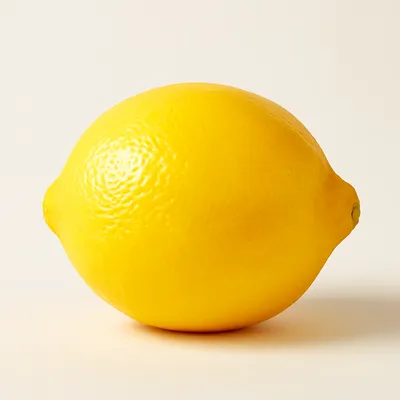
Stir through, finish with lemon juice and chopped coriander, and serve with rice or roti.
Archive tool suggestions — not reviewed
These legacy suggestions have not been evidence-reviewed and are not presented as required tools.


