
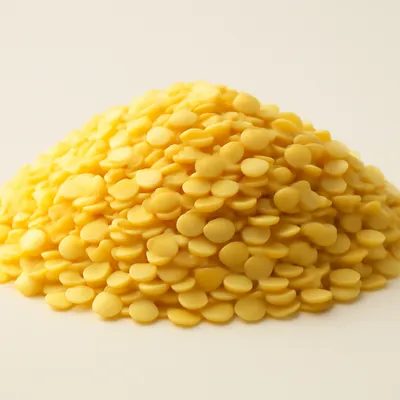
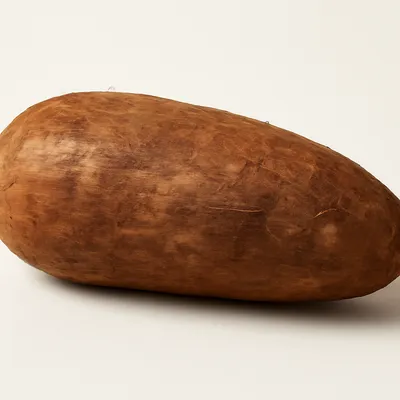
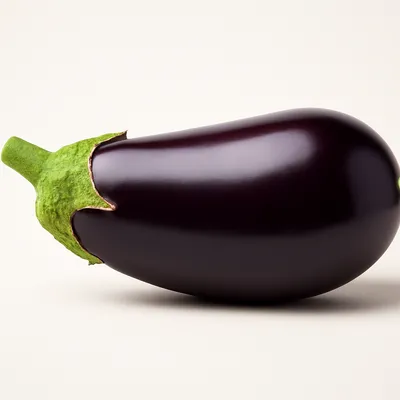
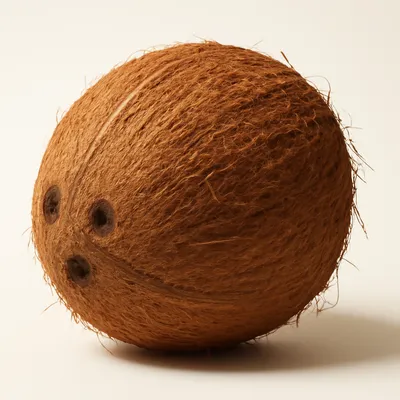
Dalma is the everyday lentil-and-vegetable staple of Odisha in eastern India, where toor (arhar) dal — sometimes split moong — is cooked together with chunks of seasonal vegetables in one pot, rather than served as a dal alongside a separate sabzi. Typical vegetables include raw banana, pumpkin, yam, brinjal, raw papaya, and colocasia. It is made without onion or garlic, which keeps it within sattvic temple cookery, and is finished with a tadka of cumin, dried red chili, panch phoron, and bay leaf, then dusted with roasted cumin-chili powder and topped with grated coconut. Eaten over plain rice, it is also one of the lentil offerings cooked in the kitchen of the Jagannath Temple at Puri and distributed as mahaprasad.



Dalma is a home-cook staple across Odisha and a long-standing part of the temple kitchen at the Jagannath Temple in Puri, where it is counted among the Abadha (also called Sankhudi Bhoga) offerings cooked daily for the deities and then distributed to pilgrims as mahaprasad from the temple's Ananda Bazar. Its precise origin is unrecorded, but the temple tradition is centuries old. The temple kitchen cooks it under strict rules that explain the dish's defining austerity: it is prepared in stacks of unglazed earthen pots over wood fires using locally grown produce, made entirely without onion or garlic, and — in the Puri Abadha version — without tomato, which is treated as a foreign vegetable. This sattvic discipline, rather than any single recipe, is what fixed Dalma as a no-onion, no-garlic lentil dish carried from the temple into Odia home kitchens.
A thick, soft-bodied lentil base — not a thin broth — studded with chunks of vegetable that have gone tender enough to crush against the spoon but still hold their shape. The dal itself breaks down into a loose, creamy mass that coats everything. Up front the aroma is nutty: roasted cumin, the dry heat of a red chili, and grated coconut over the warm lentil smell. The flavor is mild and earthy, gently sweet from pumpkin and raw banana, with no onion-garlic pungency; it is eaten hot, spooned generously over plain steamed rice.
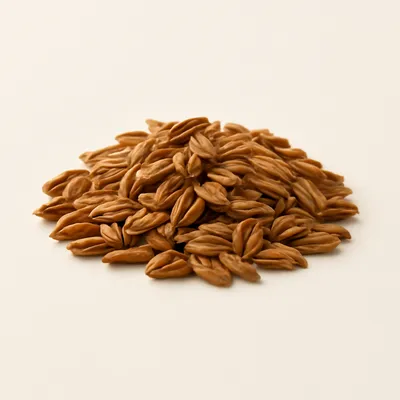
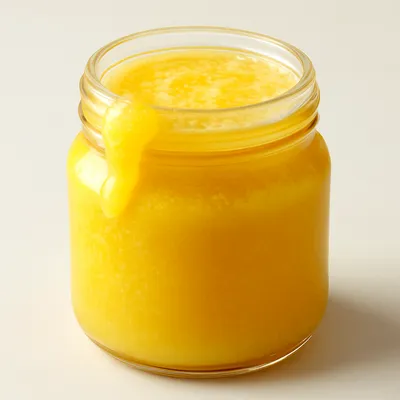
Toor dal and the firmer vegetables (raw banana, pumpkin, yam) are boiled or pressure-cooked together with turmeric until the lentils swell and rupture: as the starch granules gelatinize and the seeds disintegrate, they release a thick, loose paste that suspends the vegetable pieces and binds the whole pot, so no separate thickener is needed. The defining flavor step is the tadka added at the end — whole cumin, dried red chili, panch phoron (the eastern five-seed blend) and a bay leaf are bloomed in hot ghee or oil at roughly 160–180°C, hot enough to fry the seeds and drive their fat-soluble aromatics into the fat without scorching, then the sizzling tempering is stirred through the cooked dal. A pinch of bhaja jeera (dry-roasted cumin and chili ground to a powder) is dusted on for a toasted top note, and grated coconut is folded in or scattered over to finish.
Variations
The temple or bhog version is the plainest — no onion, garlic, or tomato, and in the Puri Abadha kitchen no chili either, leaning on panch phoron, ginger, asafoetida, and coconut alone. Home Dalma is more flexible, built on whatever seasonal vegetables are at hand, and some cooks add a little tomato for body and tang. A 'bhaja dalma' style leans harder on dry-roasted spice for a deeper, smokier flavor. Dalma is often set against South Indian sambar: both are dal cooked with vegetables, but Dalma carries no tamarind and no sambar powder, is thicker and not sour, and takes its character from panch phoron and coconut instead.
On the Palate
Where Dalma sits in the Indian flavor cloud
Two moves make dalma: boil the toor dal soft enough to break down so it thickens the pot on its own, then finish with a hot ghee tadka of cumin, panch phoron and red chilli bloomed at 160–180°C — that sizzling tempering stirred through at the end is what turns plain boiled dal and vegetables into dalma.
Ingredients
Serves 4
How it's made
7 steps · 20 min
- 116 min
Rinse the toor dal and soak it for 15–20 minutes while you prepare the vegetables.
- 28 min
Peel and cut the raw banana, pumpkin, yam, and brinjal into bite-sized chunks; rub a little turmeric on the raw banana so it does not darken.
- 322 min
Add the dal, the firm vegetables, turmeric, ginger, and salt to a pot with enough water to cover, then boil or pressure-cook until the dal swells and breaks down and the vegetables turn fork-tender.
Watch outThe dal is ready when the grains swell, split and start to collapse into the water — no longer distinct and firm.
- 45 min
Lightly mash some of the dal against the side of the pot to thicken the base, and simmer a few more minutes so it binds into a loose, creamy mass.
- 53 min
Heat ghee in a small pan and add cumin seeds, dried red chili, panch phoron, and a bay leaf; let them sizzle and turn fragrant without burning.
Watch outListen for the seeds to crackle and smell toasted — that is the tadka blooming, the moment before they would burn.
- 61 min
Pour the hot tempering into the dalma and stir it through.
Watch outTip the tempering in while it is still sizzling and stir it straight through — the fragrance is at its peak the instant it hits the dal.
- 72 min
Stir in or scatter grated coconut, dust with dry-roasted cumin-chili powder, and serve hot over steamed rice.
Archive tool suggestions — not reviewed
These legacy suggestions have not been evidence-reviewed and are not presented as required tools.


