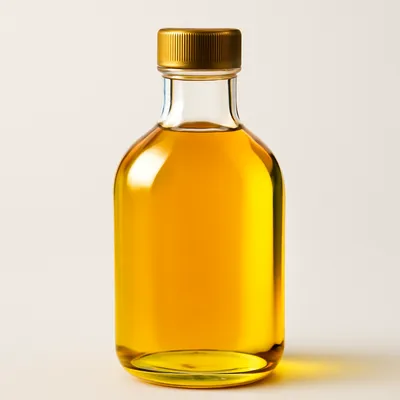
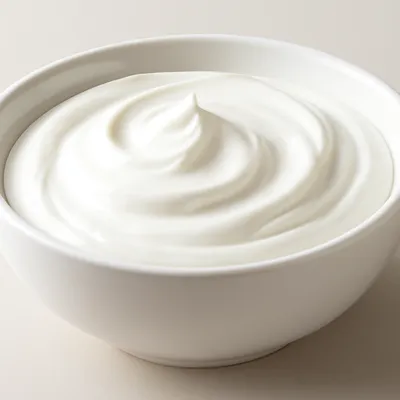
Katla kalia is the grand fish curry of the Bengali celebration table: thick cross-cut steaks of katla, a large freshwater carp, fried to a deep gold in mustard oil, then simmered in a dark, glossy gravy of slow-browned onion, ginger, tomato and yogurt, spiked with whole garam masala and finished with ghee. Kalia is the richest register of Bengali fish cookery, built on a long, patient browning of the aromatics that gives the sauce its dense body and deep red-brown colour, setting it far apart from the thin everyday macher jhol. It is the dish of weddings, and is often called biye barir kalia, the kalia of the wedding house.




Kalia takes its name and lineage from the Persian qaliya, a braise of meat or fish in an onion-based sauce; its sister dish korma descends from the qorma, built instead on yogurt and ghee. Both entered the Indian subcontinent through Mughal kitchens, but the form that became beloved in Bengal owes most to Awadh. When the British deposed Wajid Ali Shah, the last Nawab of Awadh, and exiled him in 1856 to Metiabruz on the southern edge of Calcutta, he rebuilt a miniature Lucknow there and brought with him hundreds of cooks, stewards and spice-mixers. His kitchen ran on extreme specialisation, one cook to a single dish, at a scale the city had never seen. After his death the royal cooks dispersed into Bengal, opening eateries and stalls, and their kalias and kormas percolated from Nawabi tables into the households of Calcutta. Over generations the dish was thoroughly Bengalised, reworked around river carp such as katla (Catla catla) and rohu, mustard oil, tomato and a sweeter local balance, until it became the fish curry Bengalis serve at their weddings.
The first thing is the crust: the fried carp holds a firm, faintly chewy skin over flesh that flakes into large, sweet, fatty layers, richest in the belly cut. The gravy is deep and clinging rather than soupy, its browned-onion sweetness balanced by the gentle sourness of yogurt and tomato and lifted by warm cardamom and cinnamon. A drizzle of raw mustard oil and a finishing pinch of garam masala leave a lingering, aromatic heat. It eats best pushed through a mound of plain hot rice.
Two browning steps give kalia its character. First the steaks, rubbed with salt and turmeric, are fried in mustard oil heated until it smokes near 250 ℃: smoking drives off the raw pungency of the oil's allyl isothiocyanate, while Maillard browning and surface dehydration set a firm crust that seals the flesh and keeps the steaks intact through the long simmer. A mature carp of three kilograms or more is chosen because the thick fat layer beneath its skin renders slowly into the gravy, enriching it. The second step is koshano, the patient low-heat frying of onion and ginger paste until the sugars caramelise, the water cooks off, and the fat visibly separates; this darkens the sauce and thickens it into a paste-like body, the single feature that divides a kalia from a pale jhol. Yogurt, whisked and added off the boil so its proteins emulsify rather than curdle, brings acidity and richness; a little sugar offsets the tang of yogurt and tomato. A covered rest lets the fried fish reabsorb gravy and the volatile aromatics of the finishing garam masala soak through.
Variations
Rohu (rui) is used interchangeably with katla, and grand versions call for the meatier kalbaus or mrigel; prawns and even hilsa are given the same treatment. Ghoti kitchens keep the gravy a touch sweeter and may add raisins and a few cashews, while Dhaka and East Bengal styles run hotter and more mustard-forward. A restaurant-style kalia often deepens the colour with Kashmiri chilli and a spoon of tomato paste, and some cooks slip a fried potato into the gravy to soak up the sauce.
On the Palate
Where Katla Kalia sits in the Indian flavor cloud
Ingredients
Serves 4
How it's made
8 steps · 20 min
- 115 min
Choose thick cross-cut steaks from a mature katla, ideally 2.5-4 kg, including both belly (peti) and back (gada) cuts. Rub them with salt and turmeric and rest for 15 minutes.
- 210 min
Heat mustard oil in a heavy pan until it smokes, then fry the steaks in batches until deep golden and crusted on both sides. Lift out and set aside.
Watch outHeat the mustard oil until it smokes before frying the fish — smoking burns off its raw pungency and the crust it sets keeps the steaks whole through the braise.
- 32 min
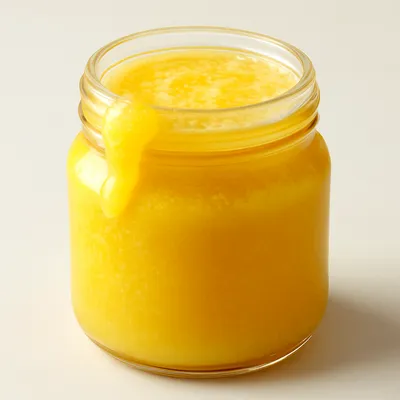
To the same oil add a spoon of ghee, then temper with bay leaves, dried red chilli, whole cardamom, cloves, cinnamon and cumin seeds.
- 412 min
Add sliced or grated onion with ginger paste and fry patiently on low-medium heat (koshano) until deep brown and the oil separates.
Watch outFry the onion-ginger paste patiently to deep brown until oil separates — this koshano is the gravy's foundation, rushing it leaves the sauce raw-tasting.
- 56 min
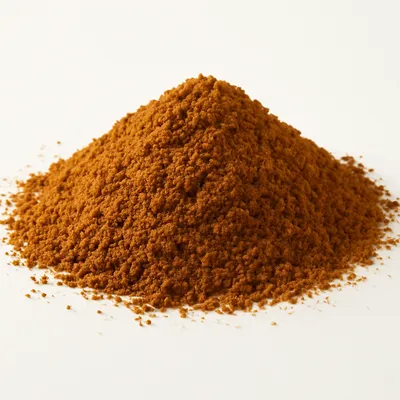
Stir in turmeric, cumin, coriander and Kashmiri chilli powders with a splash of hot water; braise until the raw-spice smell lifts, then add chopped tomato and cook to a pulp.
- 65 min
Whisk the yogurt smooth, lower the heat, and stir it in with salt and a little sugar; add hot water to reach a thick gravy and bring to a gentle simmer.
- 78 min
Slide in the fried fish with any raisins and slit green chillies; cover and simmer on low for 6-8 minutes, spooning gravy over the steaks, until the sauce thickens and coats.
- 830 min
Turn off the heat, scatter Bengali garam masala, cover tightly, and rest at least 30 minutes so the flavours settle. Serve warm with plain rice or pulao.
Watch outRest at least thirty minutes off the heat after adding the garam masala — the flavors need time to settle into the fish.


