
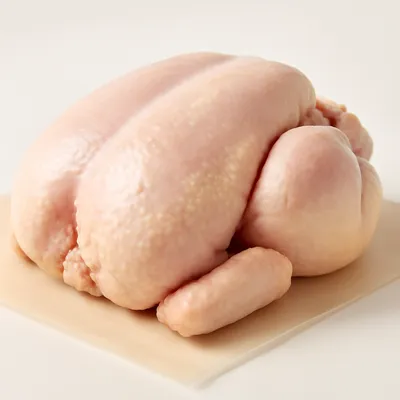
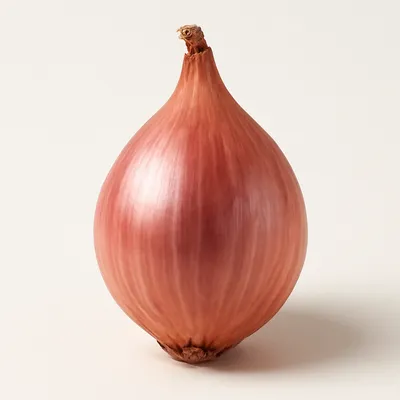
Kerala Stew, known locally as ishtu, is a mild, pale coconut-milk stew of chicken or mixed vegetables, gently simmered with whole spices and almost no chili heat or turmeric. Onions or shallots, ginger, green chilies and whole cloves, cinnamon, cardamom and black pepper are softened in coconut oil, the chicken or vegetables (potato, carrot, beans, peas) are simmered in thin coconut milk until cooked, and thick coconut milk is stirred in at the end without letting it boil. A final tempering of curry leaves and shallots in coconut oil is poured over. The result is creamy, fragrant and only lightly spiced — classically eaten with appam, the soft lace-edged fermented rice pancake. It is a hallmark of Kerala's Syrian Christian kitchen.




Kerala Stew belongs to the Syrian Christian (Nasrani) cooking of central Kerala, and its very name records its history: ishtu is the Malayalam rendering of the English word 'stew'. It is generally understood to be a colonial-era adaptation in which a European-style meat-and-vegetable stew was reworked with local ingredients — the heat and richness mellowed with the coconut milk that is abundant in Kerala, and perfumed with whole warm spices rather than a heavy masala. The exact date of origin is unrecorded, but it is firmly part of the Kerala Christian festive table, where appam and chicken ishtu are a classic Sunday and Easter breakfast pairing.
Pale ivory and silky, with tender pieces of chicken or soft cubes of potato and carrot suspended in a creamy coconut-milk gravy. The taste is gentle and rounded — sweet coconut first, then the warm fragrance of clove, cinnamon and cardamom, and a mild back-heat from black pepper and green chili rather than a burn. Curry leaves and fried shallots add aroma on top. Scooped up with a torn piece of soft, slightly sour appam, the bland-sweet stew and the tangy pancake balance each other; it is comforting, fragrant and very lightly spiced.
The dish is built entirely on coconut milk rather than a fried-spice gravy, so technique is about handling that emulsion. Coconut milk is an oil-in-water emulsion stabilized by coconut proteins; if boiled hard it destabilizes and the fat splits out as oily curds. So the stew is cooked in two strengths: the food is first simmered in thin coconut milk (the second pressing, more watery) until done, and the thick first-press milk is added only at the end and warmed through gently below a boil to keep the gravy smooth and creamy. Whole spices are used rather than ground, releasing their fat-soluble aromatics slowly into the coconut fat without darkening or clouding the pale stew. The final coconut-oil tempering of shallots and curry leaves floats aroma on the surface.
Variations
The stew is made with chicken (kozhi ishtu), mutton, beef, or as a purely vegetable stew for fasting days and vegetarian meals. Some households thicken it slightly or add a touch of potato to round the body; the spicing stays restrained in all versions. It is most traditionally paired with appam, but is also eaten with idiyappam (string hoppers), palappam or soft bread. It is distinct from a chili-and-tomato curry — the defining traits are the white coconut-milk base, whole warm spices and the absence of turmeric and heavy chili.
On the Palate
Where Kerala Stew sits in the Indian flavor cloud
Ingredients
Serves 4

How it's made
7 steps · 20 min
- 14 min
Heat coconut oil and lightly fry whole cloves, cinnamon, cardamom and crushed black pepper.
- 26 min
Add sliced onions or shallots, ginger and slit green chilies; saute until soft but not browned.
- 33 min
Add chicken pieces (or vegetables such as potato, carrot and beans) and stir briefly.
- 415 min
Pour in thin coconut milk, season with salt, cover and simmer until the chicken or vegetables are cooked through.
Watch outCook the chicken through in the thin coconut milk first — the watery second-press can take a simmer, so get everything done before the thick milk goes in.
- 54 min
Lower the heat and stir in thick coconut milk; warm through gently without letting it boil.
Watch outAdd the thick coconut milk at the end and warm it gently without boiling — boil it hard and the emulsion splits into oily curds.
- 64 min
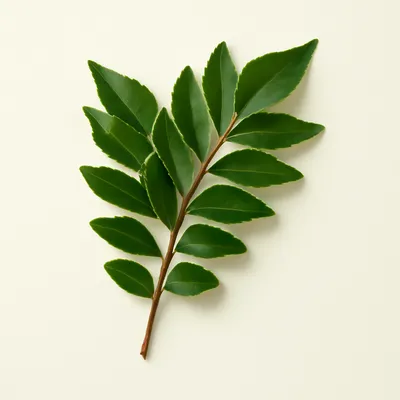
In a small pan, temper sliced shallots and curry leaves in coconut oil until golden.
- 72 min
Pour the tempering over the stew and serve hot with appam.
Archive tool suggestions — not reviewed
These legacy suggestions have not been evidence-reviewed and are not presented as required tools.


