The everyday Parsi fried fish: firm white fish — traditionally pomfret — is marinated in a vivid yellow paste of turmeric, chili, garlic, ginger, and lemon (or vinegar), coated in semolina, and shallow-fried to a crisp golden crust. Its simplicity makes it the most accessible Parsi dish, classically paired with dhandar (dal-rice) on Sundays.


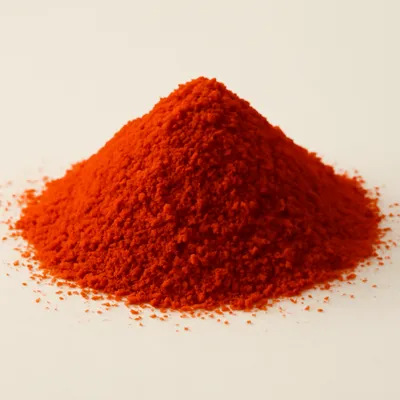

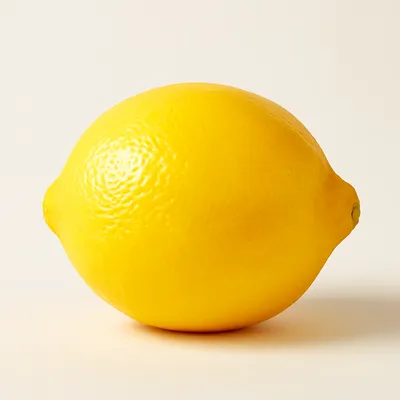

Tareli maachi (tareli macchi) is the everyday fried fish of Parsi cuisine, the food tradition of the Zoroastrian community of Mumbai and the Gujarat coast. Its name is plain: tareli comes from a word for frying, maachi means fish, so it is simply 'fried fish.' The dish is the home-cooking counterpoint to the more ceremonial patra ni machhi (fish steamed in banana leaf) — a simple preparation that lets the freshness of the fish carry. The defining marinade is turmeric-forward, with red chili, garlic, ginger, and lemon juice or vinegar — the last a Portuguese-era borrowing that entered Parsi cooking as a souring and preserving agent in pre-refrigeration coastal India; turmeric, beyond its color, supplied antimicrobial protection for the fish in a hot climate. The semolina (rava) coating, which dehydrates and crisps in the hot oil, is the signature textural touch. Tareli maachi is the classic partner of dhandar — rice and tuvar dal — in the beloved Parsi Sunday combination 'dhandar and tareli maachi,' and it is served with a kachumbar salad and a squeeze of lime.
A deep golden, audibly crisp semolina crust splitting to reveal soft, just-set white fish, with the warm turmeric-garlic hum of the marinade through it.
The crust and the marinade each do a job. The marinade's turmeric and chili, both fat- and partially water-soluble, penetrate the fish's surface during the brief rest, flavoring it and staining it the characteristic yellow; the lemon or vinegar's acid lightly denatures the surface proteins, which both seasons and helps the marinade adhere, and — in a hot, pre-refrigeration climate — its lowered pH slowed microbial growth on the fish. The semolina coating works by granule physics: its large, hard particles do not hydrate into a batter but sit on the fish's surface, and in shallow oil at roughly 170–180°C they dehydrate individually and brown into a coarse, glassy crust that shatters audibly; their low surface area relative to volume slows oil absorption, so the crust stays crisp and the fish beneath does not turn greasy. Shallow-frying rather than deep-frying is traditional — enough oil to crisp the crust without submerging the delicate fish.
Variations
Surmai (kingfish) or rawas (Indian salmon) substitutes for pomfret; a rice-flour variant gives a sharper crunch, and some households add a touch of sambhar masala to the marinade.
On the Palate
Where Tareli Maachi sits in the Indian flavor cloud
Ingredients
Serves 4How it's made
5 steps · 15 min
- 13 min
Cut pomfret into pieces and pat dry.
- 25 min
Make a marinade of turmeric, red chili powder, ginger-garlic paste, lemon juice, and salt; coat the fish and rest 30–45 minutes.
Watch outRest the fish in the marinade the full half hour — the acid and spice need that time to soak in and to help the semolina grip later.
- 33 min
Spread semolina on a plate and press each marinated piece into it, coating evenly.
- 46 min
Shallow-fry in hot oil over medium heat until the crust is deep golden and crisp and the fish is just cooked, about 3 minutes per side.
Watch outShallow-fry on medium until the semolina crust is deep golden and crisp — too hot and the coating burns before the fish inside is cooked.
- 53 min
Drain briefly on paper and serve hot with dhandar (dal-rice), kachumbar salad, and a wedge of lemon.
