A Rayalaseema mutton preparation in which bone-in pieces are marinated in ginger-garlic, chili, and curd, then slow-fried in their own juices with onions and curry leaves until the spice paste coats each piece in a dark, intensely flavored crust. Despite the name, it is a slow pan-fry rather than a true deep-fry.
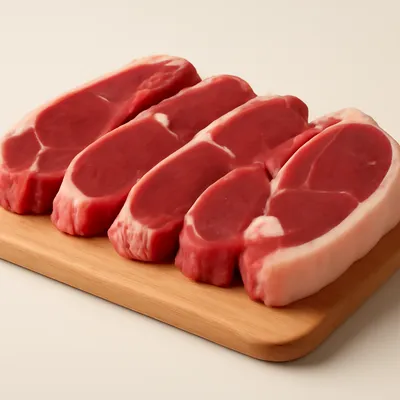

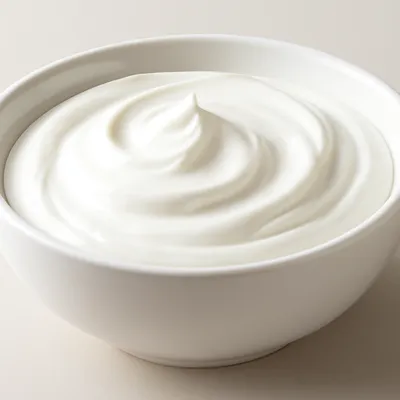
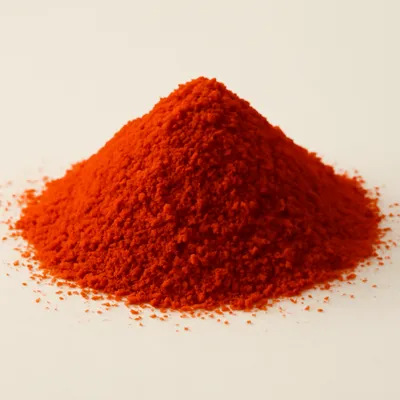
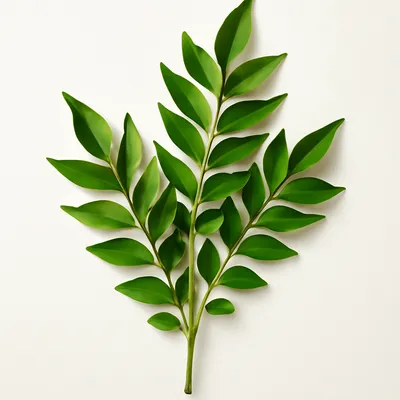

Golichina mamsam is a country mutton preparation of the Rayalaseema region — the dry inland of Kurnool, Anantapur, Kadapa, and Chittoor — whose Telugu name literally means 'fried meat,' though in practice the meat is slow pan-fried in its own juices rather than submerged in oil. Rayalaseema cooking is the fiercest in Andhra Pradesh, built around red chili, curry leaves, and the slow concentration of flavor that comes from cooking meat without adding much water. The method is shared across a family of Rayalaseema mutton fries — nalla vepudu, miriyala mamsam, podi mamsam — each distinguished by its spice blend. The defining move here is marination followed by patient uncovered frying: the curd-and-spice-marinated mutton is first cooked covered until tender, then the lid is removed and the moisture driven off, leaving the spice paste to cling and lightly crust the meat. It is hearty everyday food of inland Andhra farming households, eaten with rice or jowar roti.
Tender mutton in a dark, dry crust of roasted chili and curry leaf, with the warm bite of black pepper and the faint tang of curd underneath.
Two stages build the texture. The marinade — curd, ginger-garlic, chili, turmeric, and salt — both seasons and tenderizes: the lactic acid and salt begin denaturing the surface proteins, while the covered cooking that follows gelatinizes the collagen in the connective tissue at around 70–80°C, turning tough mutton tender. Only once the meat is soft is the lid removed and the remaining water driven off; as the pan dries, the surface temperature climbs past 100°C into the Maillard-browning range, and the fat-soluble color and pungency of the red chili and pepper embed themselves into the crust that forms on each piece. The final toss of curry leaves releases their terpene volatiles into the hot fat at the very last moment, so their aroma survives onto the plate.
Variations
The closely related nalla vepudu is darker and uses more black pepper; miriyala mamsam leads with pepper, and podi mamsam uses a dry lentil-and-chili powder rub instead of a wet paste.
On the Palate
Where Golichina Mamsam sits in the Indian flavor cloud
Ingredients
Serves 4
How it's made
6 steps · 15 min
- 18 min
Marinate mutton pieces in curd, ginger-garlic paste, turmeric, chili powder, and salt for at least 30 minutes.
- 25 min
Heat oil in a heavy pan and fry chopped onions until golden.
- 35 min
Add the marinated mutton and stir over high heat until the pieces are sealed on all sides.
- 415 min
Cover and cook on low heat until the mutton is tender, letting it cook in its own released juices.
Watch outCover and cook low until the mutton is tender in its own juices — this is where tough meat softens; hurry it and it stays chewy.
- 510 min
Uncover, raise the heat, and cook off all the liquid until the spice paste thickly coats and lightly crusts each piece.
Watch outThen uncover, raise the heat, and cook off every drop until the spice paste crusts onto each piece — that dry, clinging crust is the point.
- 63 min
Finish with a generous toss of curry leaves and chopped coriander, and serve hot with rice or jowar roti.


