
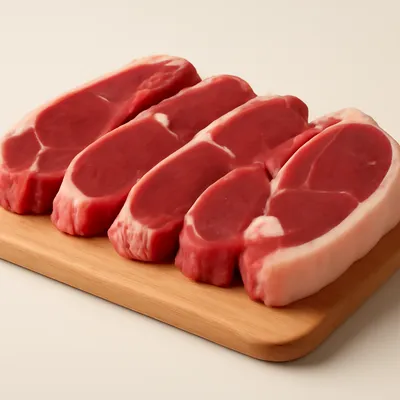
Mutton braised low and slow in a yogurt gravy thickened with fried-onion and cashew-almond paste, scented with whole warm spices rather than chili heat. This is the canonical meat korma of the Mughal table — pale gold, glossy and aromatic, the dish the generic word "korma" originally named. The gravy clings to bone-in mutton pieces; cardamom, clove and mace lead, with a round nutty sweetness underneath. It is eaten with sheermal, naan or plain pulao.


Korma is a Mughal-court braise whose technique — meat cooked in yogurt with ground nuts and whole spices — descends from the Turco-Persian kitchens that reached Delhi with the dynasty after 1526; a version of the recipe appears in the 16th-century Ain-i-Akbari from Akbar's court. While the bare word "korma" later spread to mean almost any mild creamy curry, the mutton (or lamb) preparation is the original and most prestigious form, a status dish marked at imperial level by saffron and silver leaf. It remains a centrepiece of Awadhi and Old Delhi dawat cooking, where the gravy is kept deliberately pale.
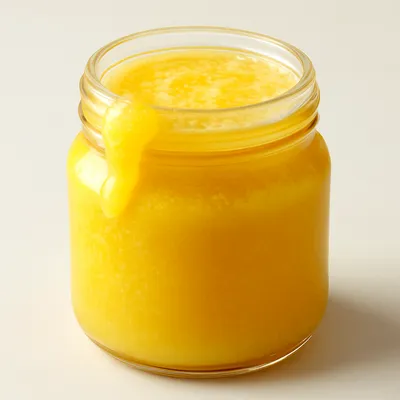
Bone-in mutton in a thick ivory-gold gravy that coats the spoon, the meat tender enough to slip off the bone after the long braise. Whole cardamom and clove come up first, then the slow nut sweetness of cashew and almond; the warmth is from spice, not capsaicin, so there is no chili sting. Fried onion gives a faint caramel depth at the back. Best torn into with sheermal, the slightly sweet bread balancing the richness. A pool of clarified butter rising to the surface is a sign of a properly cooked korma.
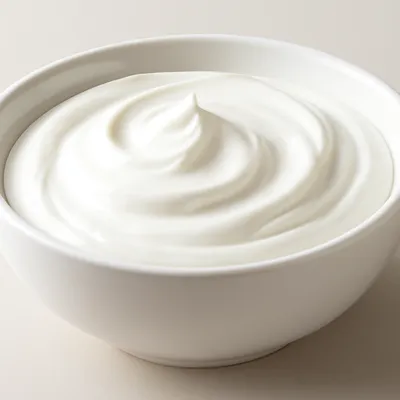
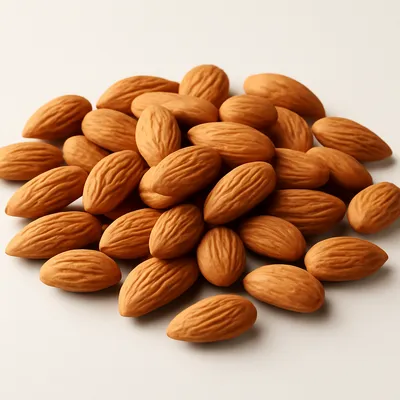
The defining problem of korma is keeping the yogurt from splitting: dairy proteins curdle above roughly 80°C unless protected, so the cook beats the yogurt smooth, lowers the heat, and stirs in a paste of soaked cashews and almonds whose starch and emulsifying proteins hold the dairy in suspension. Bhuna — patiently frying the onion-spice base until the fat separates — builds the gravy's body before any liquid goes in, and the mutton is braised long enough for collagen to soften without the sauce breaking. Restaurant short-cuts that lean on cream instead of yogurt-and-nuts come out heavier and lose the gravy's faint tang.
Variations
Shahi (royal) korma adds saffron and cream for a richer, paler gravy; Lucknowi white korma omits turmeric and chili entirely, keeping the sauce snow-pale; Kashmiri korma leans on fennel and dry ginger. Chicken korma is the lighter everyday cousin, and the much-sweetened British curry-house korma is a distant descendant.
On the Palate
Where Mutton Korma sits in the Indian flavor cloud
Ingredients
Serves 4

How it's made
7 steps · 40 min
- 160 min
Marinate bone-in mutton in beaten yogurt, ginger-garlic paste and salt for 1 hour.
- 215 min
Deep-fry sliced onions to deep golden, drain, and grind half to a paste with soaked cashews and almonds.
- 35 min
Bloom whole spices — cardamom, clove, cinnamon, bay, mace — in ghee until fragrant.
- 412 min
Add the marinated mutton and sear, then bhuna with the remaining fried onion until the fat separates.
Watch outBhuna the mutton and onion until the fat visibly separates and pools — that fat breaking out is the sign the base has enough body before liquid goes in.
- 58 min
Lower the heat, stir in the yogurt and nut paste off a hard boil, and mix until smooth.
Watch outStir the yogurt-and-nut paste in off a hard boil on low heat — above a simmer the dairy curdles and splits; the nut starch holds it smooth.
- 670 min
Add a little hot water, cover, and braise gently until the mutton is fork-tender.
- 710 min
Finish with kewra or saffron, adjust salt, and rest before serving with sheermal.
Archive tool suggestions — not reviewed
These legacy suggestions have not been evidence-reviewed and are not presented as required tools.


