A breakfast institution of Lahore's walled city, Chikar Choley takes its name from the Punjabi word chikar (mud, slush) — Kabuli chickpeas pressure-cooked until they dissolve into a thick, slushy gravy scented with black cardamom, cinnamon, and fennel, tartened with amchur and anardana, and finished with a sizzling ghee tadka. Served at century-old stalls around Data Darbar and Gawalmandi with kulcha or puri, it is the definitive Lahori desi nashta — no tomatoes, no shortcuts.



Chikar Choley is a centuries-old Lahori street food, most deeply associated with the old-city quarters surrounding Data Darbar — the 11th-century Sufi shrine in the heart of the walled city — and the adjacent Gawalmandi food district, where vendors have ladled out the slushy chickpea curry to morning crowds of pilgrims, laborers, and traders for generations. The name derives from chikar (چکڑ), Punjabi for mud or slush, capturing the broken-down consistency of chickpeas cooked until they partially dissolve into their own starchy cooking liquid. A defining marker of Lahori Punjabi street-food identity, Chikar Choley is distinguished from the drier Pindi Chana and the tomato-forward Chana Masala by its no-tomato technique: sourness comes solely from amchur and anardana, and richness from ghee — a profile rooted in the Punjabi roadside stall tradition on both sides of the India-Pakistan border.
The first spoonful delivers earthen warmth: chickpeas dissolved into a thick, slushy paste fragrant with black cardamom smoke and cinnamon sweetness, shot through with bright tartness from dried mango and pomegranate. A torn piece of kulcha catches the gravy cleanly — rich and deeply savory, with a long, citrus-edged finish.
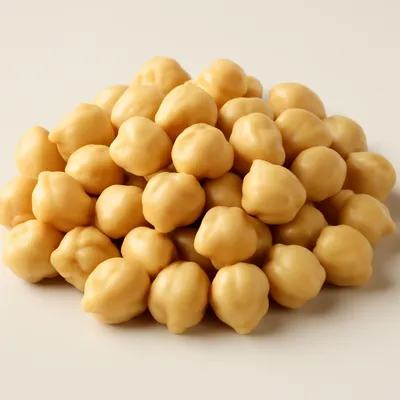
Kabuli chickpeas, soaked overnight to saturate the seed coat, are pressure-cooked at around 120 ℃ — elevated temperature and pressure together accelerate starch gelatinization: granules swell, rupture, and release amylose and amylopectin into the cooking liquid, thickening it into a slushy starch gel. Partially blending cooked chickpeas with boiled potato then stirring the paste back in amplifies viscosity further, since potato starch (amylopectin-rich) integrates readily into the liquid phase. Yogurt adds lactic acid tang and emulsifies proteins into the gravy. Whole spices — black cardamom, cinnamon, fennel, cloves — bloomed in hot ghee release fat-soluble aromatic compounds including cineole, cinnamaldehyde, anethole, and eugenol, which disperse evenly through the lipid phase and coat the palate uniformly. Amchur (malic and citric acids) and anardana (tartaric and citric acids) provide layered sourness while mildly lowering pH, brightening color and sharpening perception of savory notes. The final ghee tadka, poured sizzling over the surface, flash-heats residual aromatics and carries a final burst of fragrance directly to the palate.
Variations
Masoor Dal Chikar: red lentils added alongside chickpeas for extra protein and deeper color. Aloo Chikar: whole potato chunks cooked in rather than blended, making a heartier texture. Amritsari Chole (Indian Punjab): tea-water coloring, different spice ratios, tangier and darker than the Lahori original. Pindi Chana: the dry-style cousin — no gravy, tamarind-soured, dark-brown chickpeas. Vegan Chikar: oil replaces ghee; flavors are clean but miss the dairy-sweet depth.
On the Palate
Where Chikar Choley sits in the Indian flavor cloud
Ingredients
Serves 4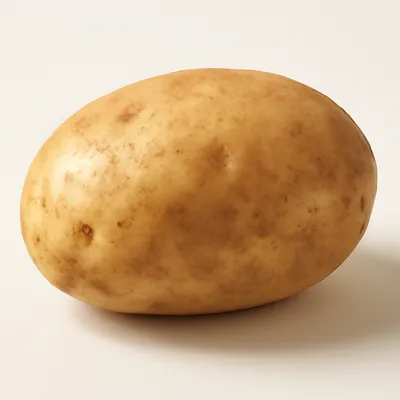
How it's made
7 steps · 15 min
- 1480 min
Soak 300 g Kabuli chickpeas in cold water for 8 hours or overnight; drain and transfer to a pressure cooker with 1 liter fresh water, 2 black cardamom pods, 1 cinnamon stick, 4 cloves, and ½ tsp salt.
- 225 min
Seal the pressure cooker and cook over high heat for 6–7 whistles (about 20 minutes); let pressure release naturally, then drain chickpeas and reserve all cooking liquid.
- 315 min
Heat 3 tbsp ghee in a heavy pot over medium heat; add 1 tsp cumin seeds and sizzle for 30 seconds, then add 1 large thinly sliced onion and cook, stirring frequently, until deep golden, 12–14 minutes.
Watch outFry the sliced onion to a deep, even gold — that browned base is where the gravy's dark color and savory depth come from.
- 45 min
Stir in 1 tbsp ginger-garlic paste and cook for 2 minutes; add 1 tsp chili powder, 1 tsp coriander powder, and ½ tsp turmeric, bloom spices for 1 minute, splashing a little water to prevent scorching.
- 55 min
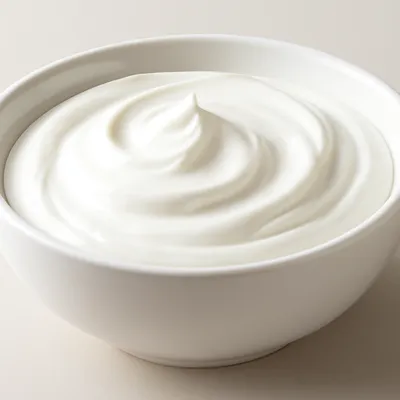
Blend ½ cup of the cooked chickpeas with 1 small boiled potato and ¼ cup plain yogurt to a smooth paste; stir this paste into the spiced onion base.
Watch outBlend the chickpea-potato paste smooth and stir it back in — that starch is what thickens the gravy to its slushy body.
- 620 min
Add remaining whole chickpeas along with 1½ cups of reserved cooking liquid; simmer uncovered over low heat for 20 minutes, stirring every few minutes, until the gravy is thick and slushy.
Watch outSimmer and stir until the gravy turns thick and slushy — too thin and it tastes watery; that clinging body is the point.
- 710 min
Stir in 1 tsp amchur, ½ tsp anardana powder, 1 tsp garam masala, and salt to taste; simmer 5 more minutes, then heat 1 tbsp ghee in a small pan until smoking, add 2 julienned ginger strips and 1 dried red chilli, and pour sizzling over the chickpeas. Garnish with fresh coriander, sliced daikon, and onion rings; serve with kulcha or puri.


