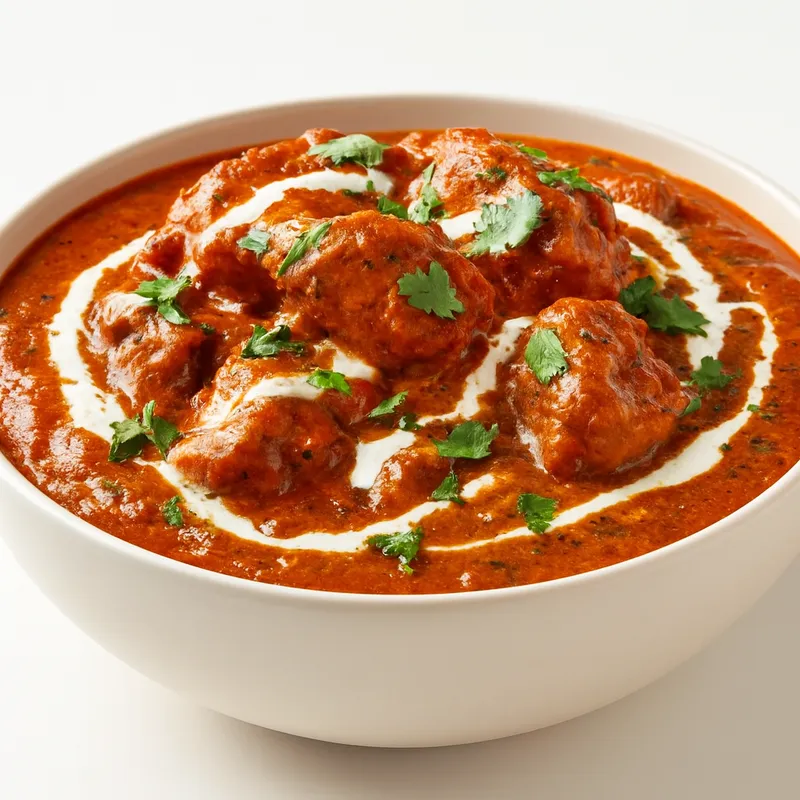
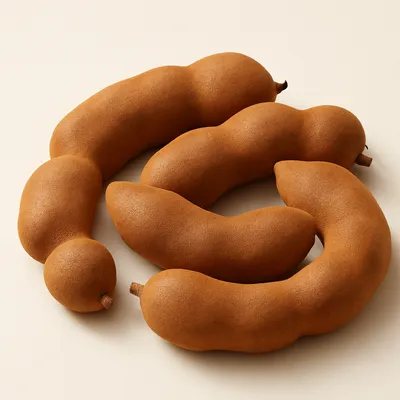
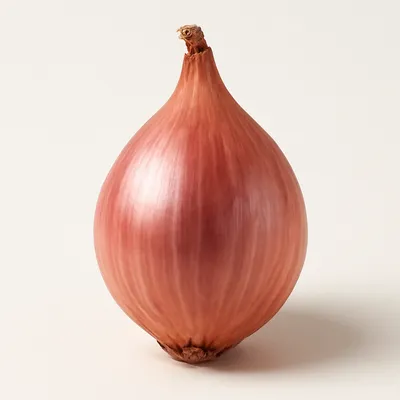
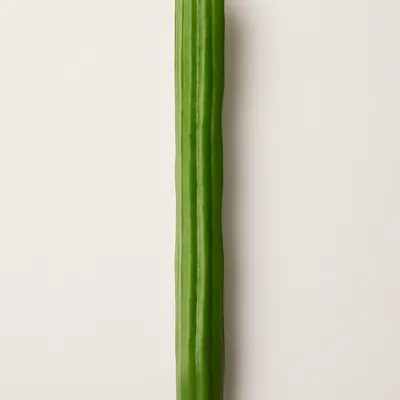
Kara Kuzhambu is a fiery, tamarind-based sour-and-spicy gravy from Tamil Nadu, strongly associated with Chettinad cooking — kara means spicy and kuzhambu means a thick simmered gravy. Unlike sambar, it uses no lentils as a base; its body and tang come from tamarind extract reduced with a roasted spice paste of dried red chilies, coriander and pepper, fortified with plenty of small shallots, garlic and curry leaves. Vegetables such as brinjal and drumstick, or sometimes meat or fish, are simmered in it until the gravy thickens and turns glossy with oil rising to the top. It is eaten over hot rice, thinner than sambar but thick enough to coat each grain.



Kara Kuzhambu is a staple of everyday Tamil home cooking across Tamil Nadu and a recognised part of the Chettinad repertoire of the Nattukottai Chettiar community, whose spice-rich regional cuisine took shape through 19th- and early-20th-century trade across Burma, Ceylon and Malaya; as a broad household preparation it has no recorded single origin, inventor or date. The name is descriptive rather than proprietary — kara (spicy) and kuzhambu (a tamarind-based simmered gravy) — and countless family and regional versions exist. Its tamarind-and-chili base, distinct from the lentil base of sambar, marks it as one of the older sour-gravy forms of the Tamil rice-and-kuzhambu meal.
Deep reddish-brown and glossy, with a sheen of spiced oil floating on top and shallots and curry leaves visible in the gravy. The first taste is sharp tamarind sourness, immediately met by the dry heat of red chili and the woody bite of pepper; garlic and shallot sit sweet and soft underneath. It is salty, sour and hot all at once, mellowed by the oil and the soft-cooked vegetables. Poured over plain rice it tastes brighter and sharper than sambar, the sourness lingering after the heat fades.
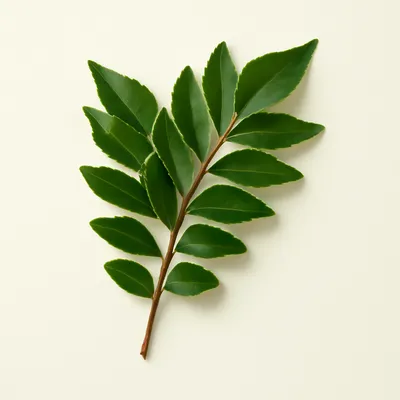
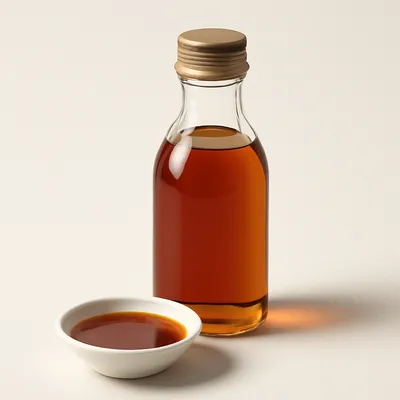
The dish is a slow reduction that builds depth in stages. A tadka begins it: mustard seeds, fenugreek and curry leaves are bloomed in hot sesame oil, where fenugreek must be kept just short of burning or it turns bitter, then shallots and garlic are fried until soft and sweet. Tamarind extract and the roasted spice powder go in and the gravy is simmered open so water evaporates, the sourness concentrates, and the chili and pepper oils infuse the fat. A small amount of rice flour or roasted gram is sometimes slurried in to thicken and bind. Finishing oil is deliberate — a generous pour of sesame oil carries the fat-soluble chili and pepper aromatics and gives the gravy its keeping quality and glossy surface.
Variations
Vatha kuzhambu is a closely related Tamil sour gravy that uses sun-dried vegetables (sundakkai, manathakkali) in place of fresh ones; puli kuzhambu emphasises tamarind even more plainly. The base takes brinjal and drumstick (Kathirikai Kara Kuzhambu), or shifts to meat (Mutton Kara Kuzhambu) and fish (Meen Kuzhambu), the seafood version often adding a coconut paste. Chettinad versions lean on freshly ground masala, small shallots and curry leaves; some thicken with roasted gram, others stay thinner and sharper.
On the Palate
Where Kara Kuzhambu sits in the Indian flavor cloud
Ingredients
Serves 4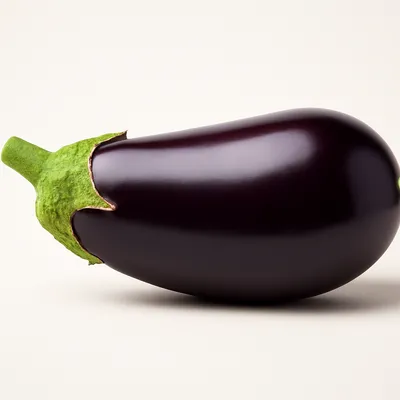
How it's made
8 steps · 20 min
- 110 min
Soak a lime-sized ball of tamarind in warm water, then squeeze and strain to a thin extract; set aside.
- 25 min
Dry-roast dried red chilies, coriander seeds, black pepper and a little fenugreek, then grind to a powder.
- 33 min
Heat sesame oil and temper mustard seeds, fenugreek seeds and curry leaves until they splutter and smell nutty.
Watch outBloom the mustard, fenugreek and curry leaves until they splutter and smell nutty, but pull the fenugreek back before it darkens — burnt fenugreek turns the whole gravy bitter.
- 44 min
Add peeled small shallots and garlic cloves and fry until soft and lightly browned.
- 53 min
Add brinjal and drumstick pieces and saute briefly to coat in the oil.
- 64 min
Pour in the tamarind extract and the ground spice powder with turmeric and salt, and bring to a boil.
- 714 min
Simmer uncovered until the vegetables are soft and the gravy thickens and turns glossy with oil rising to the top.
Watch outSimmer uncovered until it thickens and a slick of oil rises to the top — that oil surfacing means the sourness has concentrated and the gravy's done.
- 82 min
Finish with an extra drizzle of sesame oil and a few curry leaves, rest briefly, and serve over hot rice.
Archive tool suggestions — not reviewed
These legacy suggestions have not been evidence-reviewed and are not presented as required tools.