
Tambda rassa — tambda is Marathi for red — is the fiery red mutton broth of Kolhapur, the spicy half of the city's signature rassa pair. Mutton and bones are simmered to a stock, then a thin, brilliant-red gravy is built from roasted dried coconut and a chili masala leaning on the colour-giving Bedgi and the searing Lavangi. It is kept deliberately thin, almost a drinking consistency, meant to be sipped or poured over rice and bhakri rather than spooned like a thick curry. On a Kolhapuri non-vegetarian plate it sits beside its calm, milky-white twin, Pandhra rassa, and a portion of dry mutton sukka. The red brings the heat; the white cools it.



Tambda rassa belongs to the non-vegetarian table of Kolhapur in southern Maharashtra, and is not the work of any single cook or datable moment; it is the broth side of a regional meal custom built around goat mutton, the local kanda-lasun masala and the area's Bedgi and Lavangi chilies. Its defining role is as one half of a pair: Kolhapuri kitchens serve a red rassa and a white rassa together, the two arriving with mutton sukka and millet bhakri as the standard non-vegetarian thali of the city. A widely-repeated local story credits the city's wrestlers, who are said to have wanted a hot, restorative rassa after bouts, but this circulates as lore rather than documented record. What is consistent across accounts is the pairing itself — tambda (red) opposite pandhra (white) — which is treated as the hallmark of Kolhapuri rassa culture.
It looks like a bowl of thin red broth with a glaze of chili oil on the surface and steam carrying roasted coconut and spice. The first sip is light on the tongue but the heat lands fast and climbs, a clean, ringing chili burn from the Lavangi against the deep red the Bedgi gives. There is real savoury weight underneath from the mutton stock and a faint toasted sweetness from the dark coconut, but no creaminess — this is a sharp, hot, sippable liquid, not a thick gravy. Sipped between mouthfuls of mild Pandhra rassa and bites of mutton and bhakri, it reads as the bright, burning note in the meal that the white broth keeps answering.
The thinness is the point and is what separates rassa from curry. The masala is ground fine and the broth left unbound — no cashew, no flour, no heavy coconut paste — so the liquid stays at a sipping consistency and the flavour reads as broth rather than sauce. The two chilies do separate jobs: Bedgi (Byadgi) is naturally low in capsaicin but rich in red carotenoid pigment, used industrially for paprika colour, so it makes the rassa brilliant red without much burn, while the small Lavangi (about 30,000-50,000 Scoville) carries the heat. A tadka — whole spices and chili bloomed in hot oil — is poured in so the fat-soluble aromatics and the chili's red colour disperse on the surface as a fragrant oil slick. The roasted dried coconut, browned by Maillard reaction, adds toasted depth and a touch of body without thickening it into a gravy.
Variations
Heat is dialled to taste — restaurant tambda rassa can be brutal, while home versions soften the Lavangi or lean more on Bedgi for colour with less burn. Some cooks build it on the same masala as the thick Kolhapuri mutton curry, simply thinned with more stock; others keep a dedicated leaner rassa masala. The non-negotiable partner is Pandhra rassa, the white broth thickened with coconut milk, cashew and poppy and seasoned with pepper instead of red chili, so the two are cooked and served as a set. Mutton sukka, the dry preparation, and millet or rice bhakri round out the thali.
On the Palate
Where Tambda Rassa sits in the Indian flavor cloud
Ingredients
Serves 4


How it's made
8 steps · 25 min
- 150 min
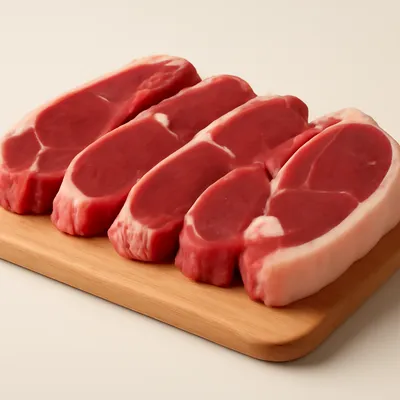
Pressure-cook or simmer 700 g bone-in mutton with water, a little salt, ginger-garlic and turmeric until tender; reserve the meat and the stock separately.
- 210 min
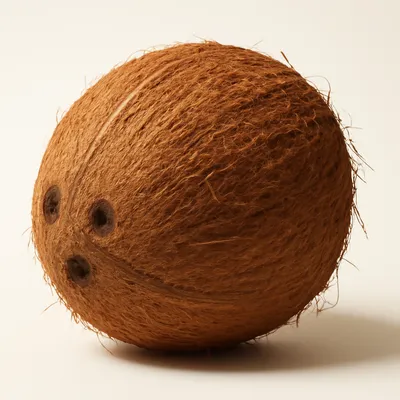
Dry-roast grated dried coconut over low heat until deep brown and nutty.
Watch outDry-roast the coconut over low heat to deep brown and nutty — this toasted color and depth carries the broth; scorch it and the rassa turns bitter.
- 35 min
Roast the dried Bedgi and Lavangi chilies and the masala spices briefly until fragrant.
- 46 min
Grind the roasted coconut, chilies and spices with a little water to a smooth fine paste.
- 58 min
Heat oil, fry sliced onion until brown, add the ground masala paste and cook until the oil separates.
- 615 min
Add the reserved mutton stock (plus extra hot water) to reach a thin, sippable consistency, return the meat, and simmer 10-15 minutes.
Watch outThin it with stock and water to a genuinely sippable consistency — this is a broth, not a curry, so keep it loose; too thick and it reads as sauce.
- 74 min
Heat oil for a tadka with whole spices and a little chili powder, pour it sizzling over the rassa, and stir.
Watch outPour the tadka over sizzling hot — the hot oil is what blooms the whole spices' aroma into the finished broth.
- 83 min
Check salt, finish with chopped coriander, and serve very hot alongside Pandhra rassa and bhakri.
Archive tool suggestions — not reviewed
These legacy suggestions have not been evidence-reviewed and are not presented as required tools.


