A mild, pale, milk-based mutton curry of the Kashmiri Wazwan: tender mutton pieces are simmered in a creamy gravy of milk, ghee, fennel, ginger powder, and a delicate whole-spice blend, finished with saffron. The name is plain Persian — aab (water, here milk) and gosht (meat) — and the dish is prized for its gentle, dairy-rich character against the Wazwan's fiercer courses.
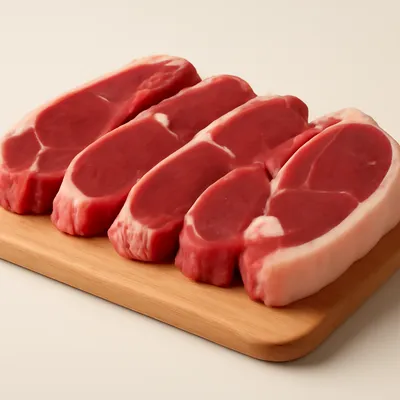




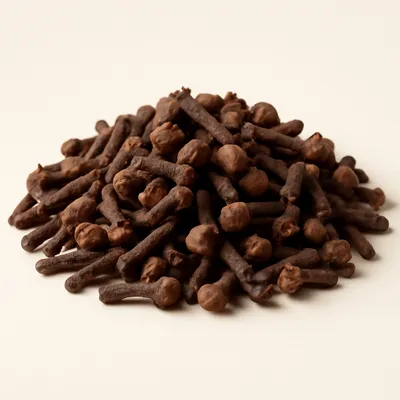
Aab gosht (aab gosh, doudh maaz) is a milk-based mutton preparation of the Kashmiri Wazwan, the multi-course banquet tradition whose hereditary master chefs, the wazas, are by long tradition linked to Central Asian and Persian cooks said to have come to Kashmir from the 14th century onward — a migration for which direct documentary evidence is thin, and which is best read as the cuisine’s crossroads heritage rather than a single founding event. The dish's name is Persian — aab means water (here, by extension, the milk gravy) and gosht means meat — reflecting that Persian culinary lineage. It is built from mutton pieces, most often from the rib or tail, blanched first and then slow-cooked in a gravy of milk (or milk powder), ghee, fennel powder, dry ginger powder, and a whole-spice blend dominated by clove, cinnamon, and cardamom, with a final thread of saffron. The dish is sometimes confused with gushtaba — the famous Wazwan course of pounded mutton meatballs in a yogurt gravy — but aab gosht uses mutton pieces in a milk gravy, and the two are distinct Wazwan courses. Cooking meat in milk has older Central Asian and Iranian cousins, which the Kashmiri version refined into its present satvik-leaning, dairy-rich form within the Wazwan.
Tender, falling-apart mutton in a pale, silky, milk-rich gravy, with the warm hum of fennel and clove and a faint floral lift of saffron at the end.
The dish's pale, glossy texture comes from emulsifying milk fat into the gravy without letting it split. Milk is added to the hot, spiced mutton base and kept just below a rolling boil, so its casein and fat remain dispersed rather than curdling into grainy clumps — the same principle that governs any milk curry, but stricter here because the dish's identity is its smoothness. The mutton's connective-tissue collagen gelatinizes into the surrounding liquid at around 70–80°C over the long simmer, giving the gravy body without any added starch; the ghee carries the lipid-soluble aromatics of clove (eugenol), cardamom, and fennel, and the saffron added at the end releases its water-soluble crocin for the golden color and its fat-soluble picrocrocin for the floral note. Blanching the mutton first removes the scum that would otherwise cloud the pale gravy.
Variations
Some versions use milk powder for a richer, thicker gravy; a yogurt-based variant leans toward gushtaba's character, and the proportions of fennel to ginger powder vary by household.
On the Palate
Where Aab Gosht sits in the Indian flavor cloud
Ingredients
Serves 4
How it's made
6 steps · 15 min
- 15 min
Blanch mutton pieces in boiling water, skim, and drain.
- 24 min
Heat ghee, temper whole cloves, cinnamon, cardamom, and a bay leaf, then add the blanched mutton.
- 34 min
Stir in ginger powder, fennel powder, a pinch of asafoetida, and salt, and cook briefly.
- 415 min
Add water and simmer covered until the mutton is nearly tender.
Watch outSimmer covered until the mutton is nearly tender before the milk goes in — its collagen has to melt into the liquid for body, or the gravy stays thin.
- 515 min
Whisk milk smooth (or use milk powder blended into water), stir it in, and simmer gently — never boiling hard — until the gravy thickens.
Watch outStir the milk in and keep it just below a boil — a hard boil curdles the casein into grainy clumps and splits the smooth gravy that defines the dish.
- 64 min
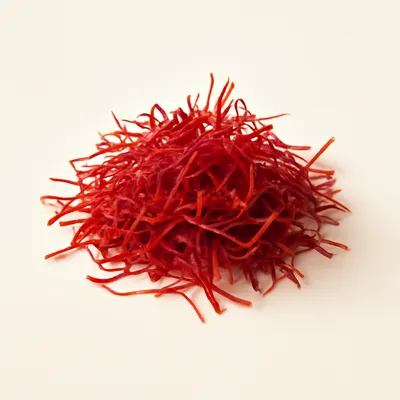
Finish with saffron steeped in warm milk, a spoon of ghee, and fresh coriander.
Archive tool suggestions — not reviewed
These legacy suggestions have not been evidence-reviewed and are not presented as required tools.


