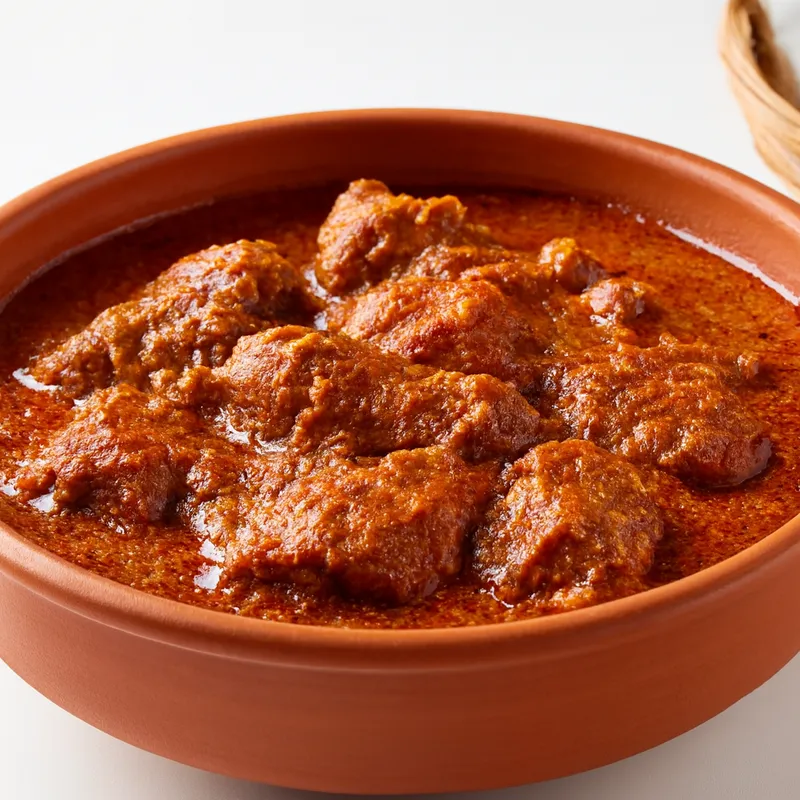
A traditional Parsi tea-time snack of small, deep-fried sweet breads made from a dough of wheat flour, semolina, ghee, yogurt, and sugar, scented with cardamom and nutmeg. Crisp outside, soft and slightly dense within — like a spiced, dense doughnut — it was once made in every Parsi household and is the classic companion of an afternoon cup of tea.


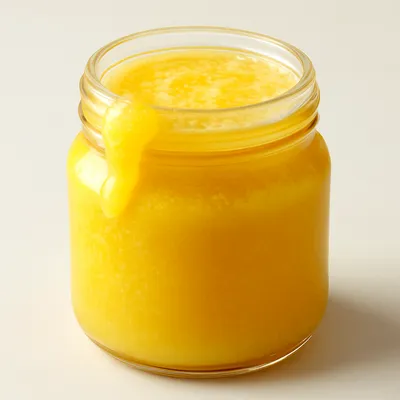
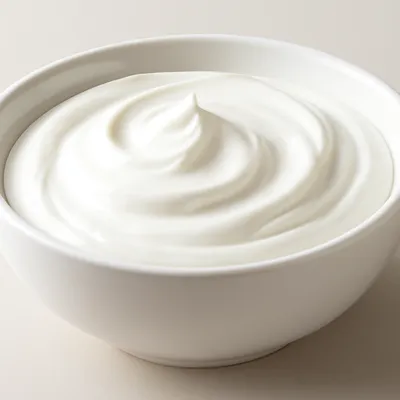
Bhakra (bhakhra) is a traditional deep-fried sweet snack of Parsi cuisine, once made in every Parsi household and still a beloved tea-time treat. It belongs to the wider Indian and Central Asian family of sweet fried doughs — a cousin of the gulab jamun's dough, the balushahi, and the doughnut — but the Parsi form is distinguished by its use of a wheat-and-semolina dough bound with yogurt and ghee and scented with cardamom and nutmeg rather than a milk-solid (khoya) dough. The method is straightforward: a firm dough of whole-wheat flour, maida, semolina, sugar, ghee, yogurt, and baking powder is kneaded, rested, shaped into small discs or rings, and deep-fried in ghee or oil until deep golden and crisp outside, soft and slightly dense within. The bhakra's character is its balance — sweet but not too sweet, spiced but not heavily — and its texture, which is denser and more bread-like than a fluffy doughnut. It is the classic partner of Parsi afternoon tea, and though it is less commonly made at home now, it remains a marker of traditional Parsi tea-time hospitality.
A deep golden, crisp shell giving way to a soft, dense, sweet, cardamom-and-nutmeg-scented crumb — like a small, spiced, fried bun.
The bhakra's texture comes from the dough's composition and the deep-fry. The combination of wheat flour, maida, and semolina gives a dough that is strong enough to hold its shape in the oil (the gluten from the wheats) but with enough semolina's coarse starch to keep the interior slightly dense and textured rather than purely soft; the ghee and yogurt enrich the dough, the yogurt's lactic acid slightly tenderizing the gluten and contributing a faint tang that balances the sugar. The baking powder, when hydrated and heated, releases carbon dioxide that leavens the dough slightly — enough to keep it from being a hard puck, but not so much that it becomes fluffy; this is what gives the bhakra its characteristically dense, bread-like crumb. Deep-frying at roughly 160–170°C (moderate, not too hot) cooks the dough through before the outside darkens — too hot and the outside would burn before the dense interior cooked; the surface dehydrates and Maillard-browns into the crisp golden shell, while the ghee or oil keeps the crumb moist.
Variations
An egg-enriched version is richer; some add a little fennel seed, and a ring (doughnut) shape is common alongside the disc.
On the Palate
Where Bhakra sits in the Indian flavor cloud
Ingredients
Serves 6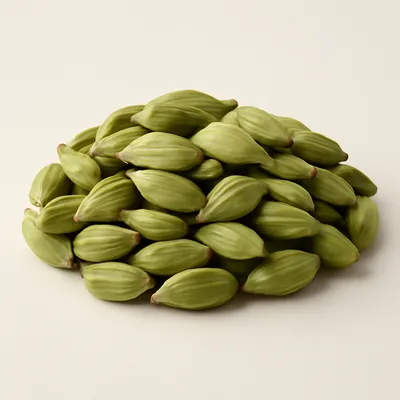

How it's made
5 steps · 25 min
- 15 min
Mix whole-wheat flour, maida, semolina, sugar, baking powder, cardamom, nutmeg, and salt.
- 28 min
Add ghee and yogurt (and egg if using) and knead into a firm dough; rest 20–30 minutes.
Watch outKnead to a firm dough — the wheat gluten must be strong enough to hold shape in the oil, while the semolina keeps the inside pleasantly dense.
- 35 min
Pinch off portions and shape into small flat discs or rings.
- 412 min
Deep-fry in moderate ghee or oil until deep golden and crisp outside and cooked through within.
Watch outFry in moderate ghee until deep golden and crisp outside yet cooked through — too hot and the outside browns before the center bakes; too cool and they turn greasy.
- 52 min
Drain and serve warm with tea, or cool and store airtight.