A thin, lacy rice crepe from the Saraswat Konkani kitchens of Goa and the wider Konkan coast, made from a plain batter of soaked, ground raw rice with no lentils, no fermentation and no waiting. Poured thin onto a hot tawa and cooked on one side under a lid until the top steams soft and the surface fills with tiny holes, it is a quick, gentle breakfast eaten with coconut chutney, a vegetable side, or sweetened coconut milk.
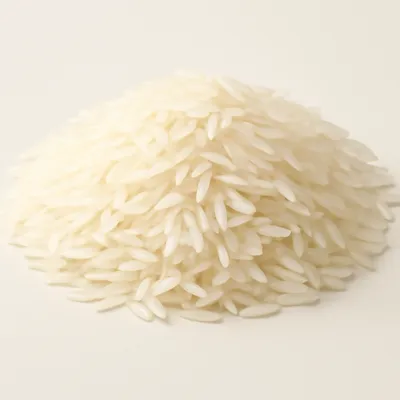


Ghavan, called ghavano in the singular and ghavane in the plural, belongs to the Saraswat Konkani Hindu tradition of coastal Goa, Malvan and the Konkan, where it is a staple breakfast and a festival food cooked for occasions such as the Ganpati festival. Its defining feature is what it lacks: where a South Indian dosa ferments a rice-and-urad-dal batter overnight to rise and sour, ghavan is ground from raw rice alone and cooked immediately, so it stays mild, clean and faintly sweet. It is close kin to the coastal neer dosa but is set apart by the absence of coconut in the batter. Cooked on a single side beneath a lid, the crepe is never crisped like a dosa; it is meant to stay soft and lacy, and at Konkani festivals it is often paired with ghatle, a warm pudding of coconut milk and jaggery, or stuffed with a sweet coconut filling.
Ghavan is soft and yielding, never crisp, with a lacy top of fine holes that catch whatever it is served with. The flavor is clean and mild, the gentle sweetness of rice and nothing sour, so it plays a quiet backdrop to a spicy coconut chutney or the richness of jaggery-sweetened coconut milk. It tears easily, folds around a filling, and eats light enough for an everyday morning.
Because the batter is unfermented, ghavan relies entirely on starch behavior rather than microbial leavening. Ground raw rice suspends amylose and amylopectin in water; when the thin batter hits the hot tawa, the starch granules absorb heat and gelatinize between roughly 65 and 70°C, swelling and fusing into a continuous soft sheet. The lacy holes form as the water in the very thin batter flashes to steam and escapes upward before the surface sets, leaving a net of fine perforations. Covering the pan traps that steam so the top cooks through without flipping, keeping the crepe soft rather than browning it. Skipping fermentation means no lactic acid and no carbon-dioxide rise, which is exactly why ghavan tastes clean and sweet instead of tangy, and why it must be ground and cooked fresh rather than left to sit.
Variations
The rice choice shifts the result: ordinary raw rice for a neutral crepe, parboiled or red Goan rice for more body and a nuttier note. Satkapyache ghavan folds a sweet filling of grated coconut and jaggery inside the crepe. A sweet serving pairs plain ghavan with ghatle, a warm coconut-milk-and-jaggery pudding, while a savory plate sets it against coconut chutney or a seasonal vegetable bhaji. Adding grated coconut to the batter shifts it toward neer dosa; a pinch of cumin or a little coconut milk gives richer, festival-day versions.
On the Palate
Where Ghavan sits in the Indian flavor cloud
Ingredients
Serves 4How it's made
7 steps · 15 min
- 1240 min
Rinse raw rice and soak in water for 4 hours until softened.
- 210 min
Drain and grind the rice with fresh water into a smooth, thin, pourable batter, then stir in salt; the batter should be thinner than dosa batter.
Watch outGrind to a thin, pourable batter, thinner than dosa batter — too thick and the lacy holes never form and it fries up dense instead of soft and netted.
- 315 min
Rest the batter 15 minutes, then check consistency: it should coat a spoon lightly and pour in a thin stream, loosened with water if needed.
- 43 min
Heat a flat iron tawa over medium heat until hot, and lightly grease it with a few drops of oil.
- 51 min
Pour a ladle of batter onto the center and quickly swirl or spread it thin; small holes should appear across the surface.
Watch outAs you swirl the batter thin, small holes should appear across the surface — that lacy net is the sign it's the right thinness and the pan's the right heat.
- 62 min
Cover with a lid and cook on one side only for about 2 minutes, until the top steams soft and the edges lift.
Watch outCover and cook one side only about 2 minutes till the top steams soft and the edges lift — don't flip; the trapped steam cooks the top through and keeps it tender.
- 71 min
Slide the ghavan off without flipping and serve hot with coconut chutney, a vegetable side, or jaggery-sweetened coconut milk.


