
Kalan is a thick, deliberately sour coconut-and-yogurt dish of the Kerala sadya, made with cubes of yam or raw plantain cooked with turmeric and black pepper, then bound in a ground coconut paste and well-soured curd reduced down until very thick. It is cooked longer and drier than the everyday yogurt curry pulissery, which is the trait that lets it keep for days without a refrigerator. The finish is a coconut-oil tempering of mustard seeds, dried chili, curry leaves and a little toasted fenugreek. Tangy, dense and warmly peppered, it is one of the sharper, more concentrated dishes on the leaf.
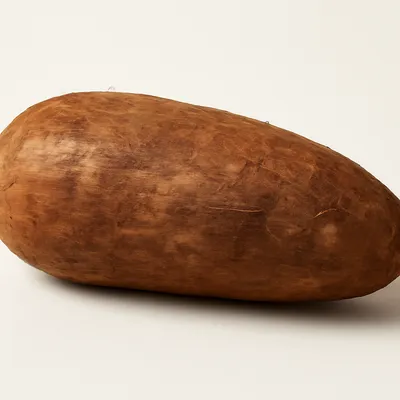

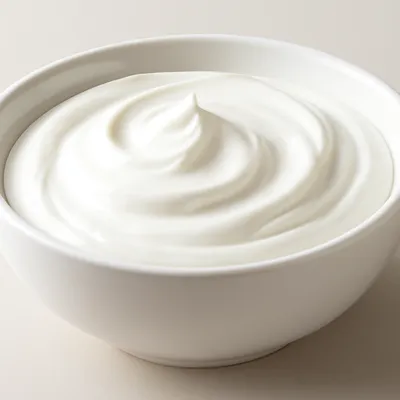



Kalan is a vegetarian fixture of the Kerala sadya, the Onam and festive banana-leaf banquet. Its keeping quality made it practical for feasts cooked the day before for large gatherings, and it is sometimes described as the sadya dish that improves overnight as the souring deepens. As a dish built on yam or plantain, coconut and curd without onion or garlic, it belongs to the satvic temple-and-feast tradition of central Kerala. No inventor or date is recorded; it is a long-standing regional preparation.
Thick enough to mound on the leaf rather than pool, glossy and pale gold from turmeric. The first taste is a clean lactic sourness from the reduced curd, then the sweetness and body of ground coconut, and a strong, deliberate hit of coarse black pepper that warms the throat. The yam is soft and starchy, the plantain firmer and faintly sweet. Popped mustard, dried chili and toasted fenugreek give a slightly bitter, nutty aroma over the top. It is the tart, concentrated note among the milder courses.
Kalan is essentially controlled curdling. Yogurt is whisked smooth and cooked down slowly with the ground coconut on low heat while stirred almost continuously; the constant motion and the starch leaching from the yam keep the curd proteins from seizing into grainy lumps even as the mixture is held near a simmer far longer than a normal yogurt curry. Driving off most of the water concentrates the acidity and creates the dense, almost paste-like body that resists spoiling — the low pH of the reduced curd is itself a preservative. The fenugreek in the tempering is toasted only to a light brown; pushed further it turns acridly bitter. Black pepper rather than fresh chili supplies most of the heat, in keeping with the older Kerala style.
Variations
The two classic versions are yam kalan and plantain kalan, and many cooks use both together. A drier, even longer-cooked style keeps for a week or more and is made deliberately for that reason. Some households round the sourness with a touch of jaggery; the balance of sour, sweet and pepper is a matter of family taste. It is closely related to pulissery, the looser, soupier everyday yogurt curry, but kalan is distinguished by being cooked thick and made to last.
On the Palate
Where Kalan sits in the Indian flavor cloud
Ingredients
Serves 6


How it's made
5 steps · 30 min active + 15 min waiting
- 115 min
Cook cubed yam or raw plantain with turmeric, black pepper and salt until tender.
- 25 min
Grind grated coconut with cumin and green chili into a coarse paste.
- 33 min
Stir the coconut paste into the vegetables and simmer briefly.
- 412 min
Whisk sour yogurt smooth, add it and cook on low heat, stirring, until very thick.
Watch outAdd the sour yogurt and stir almost nonstop on low heat — constant motion keeps the curd from seizing into grainy lumps as it reduces thick.
- 53 min
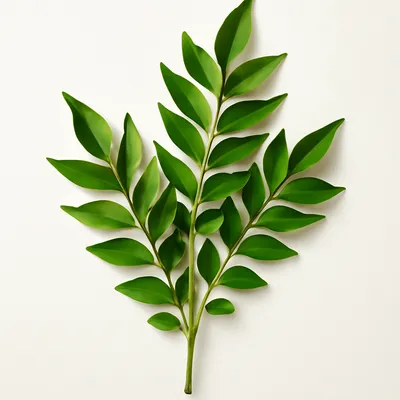
Temper mustard seeds, dried chili, curry leaves and toasted fenugreek in coconut oil and pour over.
Watch outToast the fenugreek only to light brown in the tempering — take it dark and it turns bitter and drags the whole dish down.
Archive tool suggestions — not reviewed
These legacy suggestions have not been evidence-reviewed and are not presented as required tools.


