Assam's iconic Magh Bihu sweet: a thin, soft crepe of coarsely ground glutinous rice flour, rolled around a filling of roasted black sesame seeds and jaggery. Made by sprinkling the flour onto a hot griddle rather than pouring batter, it is the centerpiece of the harvest-festival pitha platter and a deep regional emotion.
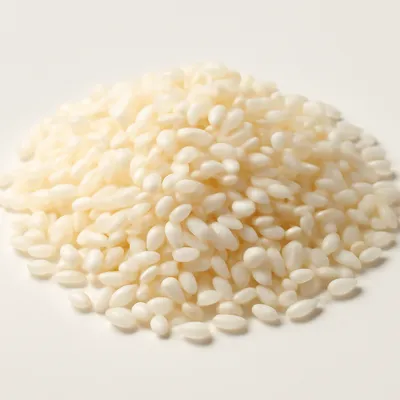


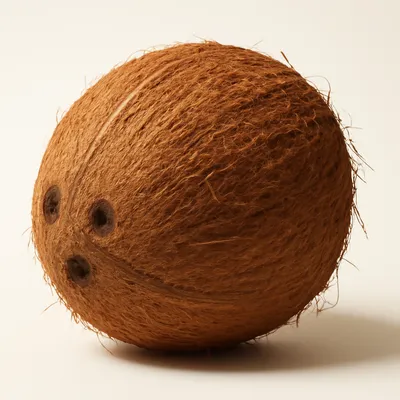
Til pitha (tilor pitha) is the iconic Assamese sweet of Magh Bihu (Bhogali Bihu), the mid-January harvest festival of Assam that celebrates the gathering of the new rice. Its name states its content: til is sesame, pitha the broad Assamese class of rice-based cakes. The wrapper is made from bora saul — Assam's glutinous (sticky) rice, freshly harvested at the festival — soaked, drained, and ground to a coarse, slightly moist flour; the filling is dry-roasted black sesame seeds bound with grated jaggery, sometimes with grated coconut. The technique is distinctive and demanding: the moistened rice flour is sprinkled by hand onto a hot iron griddle to form a thin crepe (not poured as a batter), the filling is laid along the center while the crepe is still hot and pliable, and the crepe is folded around it into a cylindrical roll. The freshly harvested sticky rice and the warming sesame-and-jaggery are themselves seasonal — the dish is a concentrated expression of the harvest. Til pitha is the centerpiece of the Bihu pitha platter, made in the days before the festival and offered to guests and family.
A soft, slightly chewy rice wrapper yielding to a dense, dark, nutty sesame-jaggery center — warm, sweet, and faintly bitter at the edge.
Two techniques define the pitha. First, the glutinous rice flour is ground coarse and kept slightly moist, which lets the sprinkled grains fuse on the hot griddle into a pliable crepe rather than dissolving into a batter — the coarse texture and the residual water allow partial gelatinization on contact with the hot surface (around 180–200°C), bonding the grains into a coherent sheet that stays soft and chewy rather than crisping. Second, the crepe must be folded around the filling while still hot and pliable, before the gelatinized starch sets and cools into a rigid sheet; the filling, already cooked (the sesame roasted, the jaggery softened), merely warms through and binds. The glutinous (sticky) rice is essential — its higher amylopectin content gives the wrapper its characteristic soft, cohesive, slightly chewy texture that a regular rice flour could not. The black sesame, roasted to release its oil and deepen its flavor, supplies the nutty, slightly bitter counter to the jaggery's sweetness.
Variations
Grated coconut is folded into the filling for sweetness and texture; some add fennel seed, and a thinner, crispier form is made by using finer flour.
On the Palate
Where Til Pitha sits in the Indian flavor cloud
Ingredients
Serves 6How it's made
6 steps · 30 min
- 110 min
Soak glutinous rice (bora saul) for several hours, drain, and grind to a coarse, slightly moist flour.
- 26 min
Dry-roast black sesame seeds until they pop, coarsely crush, and mix with grated jaggery (and coconut if using).
- 33 min
Heat an iron griddle on medium-low flame.
- 48 min
Sprinkle the moistened rice flour by hand onto the hot griddle to form a thin circular crepe.
Watch outSprinkle the moist flour by hand into a thin even round — clumps won't fuse and the crepe tears when you fold it.
- 54 min
Place a line of the sesame-jaggery filling along the center while the crepe is still hot and pliable.
Watch outLay the filling and fold while the crepe is still hot and pliable — let it cool and set first and it cracks instead of rolling.
- 66 min
Fold the crepe over the filling from both sides into a cylindrical roll; cool briefly and serve, or store airtight.


