Thalassery Biryani is the Malabar Muslim (Mappila) biryani of northern Kerala, built not on long-grain basmati but on Kaima, a short, fine, fragrant local rice also called Jeerakasala. The rice and a coconut-oil chicken masala are cooked separately, then layered and finished on low heat, and the dish is showered with fried onions, cashews and raisins, sometimes with rosewater. It is milder and slightly sweet beside a fiery Hyderabadi biryani, leaning on cinnamon, clove, cardamom, fennel and Malabar black pepper rather than chili. The town of Thalassery (Tellicherry), a historic Malabar spice and trade port, gives it its name and its character.
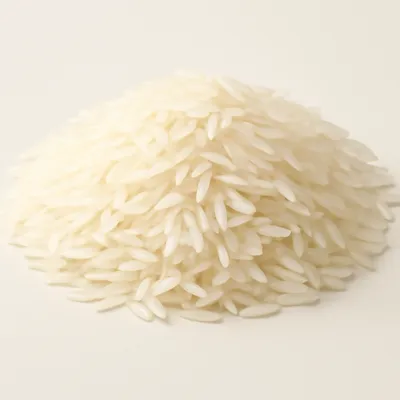


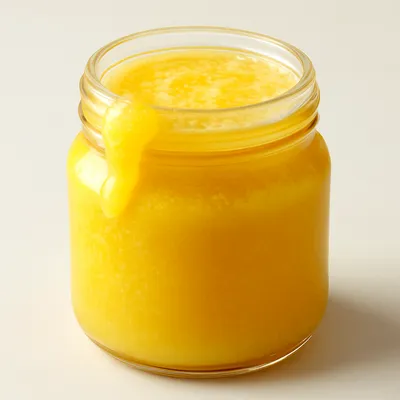
Thalassery sits on the Malabar Coast, long a hub of the pepper and spice trade and of Arab and later European contact, and its Mappila (Malabar Muslim) community developed a distinct biryani that fuses West Asian pilaf technique with Kerala ingredients. Its defining feature is Kaima/Jeerakasala rice — a short-grained aromatic rice grown in the region — used in place of the long basmati of the Deccan and north; coconut oil replaces ghee, and the masala is gentler. It is a pakki biryani, meaning the meat is fully cooked before being layered with parboiled rice, unlike the raw-marinated kacchi method of Hyderabad. The dish is community and home cooking with no single recorded inventor, carried far by the Malabar diaspora to the Gulf.
Each grain of Kaima rice is short, plump and separate, glossed faintly gold with the masala that has soaked up through it, and the whole dish smells of fried onion, fennel and warm sweet spice rather than chili. Forking down you hit tender chicken in a thick, oniony coconut-oil gravy clinging to the bottom layer. There is sweetness from caramelized onions, cashews and raisins against the savory meat, a perfume of clove and cardamom, and only a gentle pepper warmth. It eats rich but rounded, more fragrant than fiery, often with a squeeze of lime and a cooling raita.
The short Kaima grain is the technical heart: it absorbs flavor and stays soft and compact rather than fluffing dry and separate like basmati, so the biryani is moister and more cohesive. Because this is a pakki biryani, the chicken is cooked through in its masala and the rice is parboiled separately to about three-quarters done; layering and a final low-heat dum let the rice finish in the meat's steam and aroma without overcooking either. Coconut oil carries the regional flavor and tolerates the heat; whole warm spices (cinnamon, clove, cardamom, fennel) and pepper are favored over chili, keeping the dish fragrant rather than hot. The fried onions (birista), cashews and raisins are cooked separately in oil or ghee so their sugars caramelize, adding sweetness, crunch and color at the finish.
Variations
Thalassery biryani is most often made with chicken, but mutton, fish, prawn and egg versions are all common along the Malabar Coast. Some cooks add a little ghee alongside the coconut oil, or finish with rosewater and a sprinkle of fried cashews and raisins; the spice level stays moderate. It is part of a wider family of Malabar biryanis and is distinct from the Deccan's Hyderabadi kacchi biryani (raw-marinated meat, basmati, more chili) and from the richer Mughlai biryanis of the north. It is classically served with a date-and-lime pickle, raita and pappad.
On the Palate
Where Thalassery Biryani sits in the Indian flavor cloud
Ingredients
Serves 6

How it's made
8 steps · 1 hour 30 min
- 120 min
Wash the short-grain Kaima (Jeerakasala) rice gently and soak 20 minutes; drain.
- 212 min
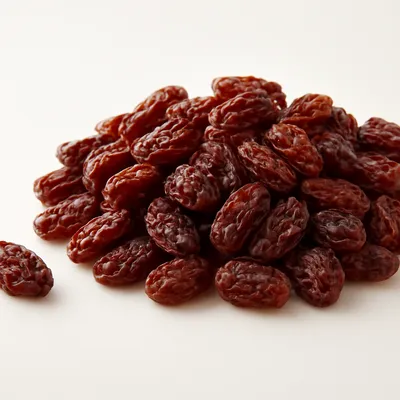
Deep-fry thin-sliced onions in coconut oil until golden brown for the garnish; fry cashews and raisins and set all aside.
- 38 min
In the same coconut oil, saute onion, ginger-garlic, green chili, tomato and a little chili and coriander; brown the masala (bhuna).
- 430 min
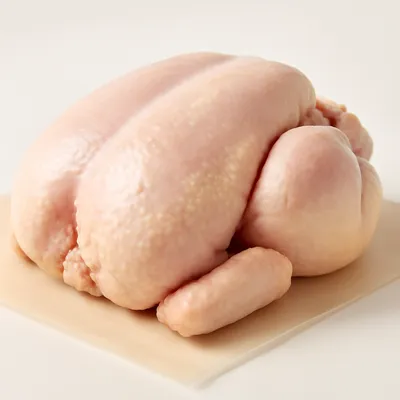
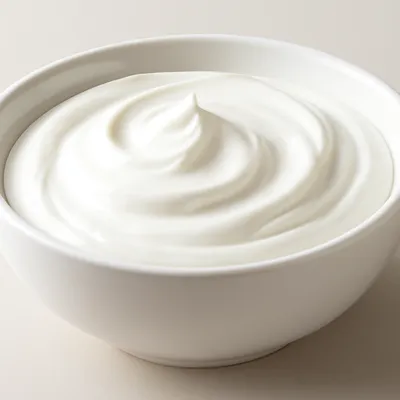
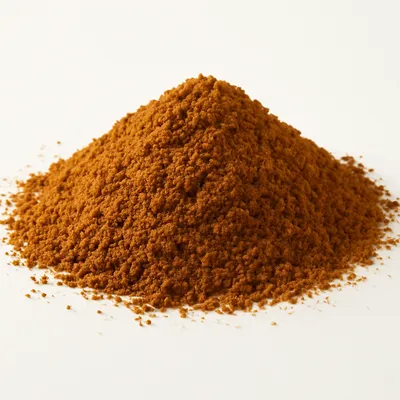
Add chicken pieces, turmeric, garam masala, fennel, pepper, yogurt, mint and coriander leaves; cook covered until the chicken is tender and the gravy is thick.
- 512 min
Separately boil water with whole spices and salt, add the drained rice, and parboil to about three-quarters done; drain.
Watch outParboil the rice to only about three-quarters done, then drain — it finishes in the meat's steam during dum, so fully-cooked rice here turns to mush.
- 65 min
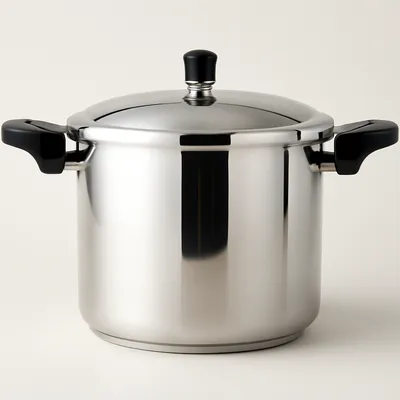
Layer the parboiled rice over the chicken masala in a heavy pot, scattering fried onions, cashews, raisins and a little rosewater.
- 725 min
Seal the pot and cook on very low heat (dum) for 20-25 minutes so the rice finishes in the steam.
Watch outSeal the pot and hold it on very low dum 20 to 25 minutes — gentle trapped steam finishes the rice and marries the aromas; too high a flame scorches the base.
- 83 min
Gently fluff together, mixing meat through rice, and serve hot with raita, pickle and pappad.
Archive tool suggestions — not reviewed
These legacy suggestions have not been evidence-reviewed and are not presented as required tools.