Kolkata biryani is the gentle, fragrant Calcutta cousin of the Awadhi biryani, built on long-grain basmati layered with lightly spiced goat or chicken — and marked above all by a whole boiled potato and often a boiled egg buried in the rice. Where Hyderabadi biryani is fiery and meat-heavy, this one is pale, restrained and softly perfumed with rosewater, kewra and a little nutmeg-mace, the meat warmly spiced but never hot. The potato, soaked in the same yellow saffron-and-spice broth, is for many Bengalis the best part of the plate. It is eaten on its own with a slice of cucumber and onion, no extra gravy needed.




Kolkata biryani traces to 1856, when the British deposed Wajid Ali Shah, the last Nawab of Awadh, and exiled him to Metiabruz on the southern edge of Calcutta. He brought with him his court — musicians, poets and the royal cooks of the Lucknow dum kitchen — and the Awadhi biryani took root in Bengal. The signature potato is the subject of a much-repeated story that the exiled Nawab's reduced means forced cooks to stretch scarce meat with potato; this account is contested, as his descendants and some historians note the potato was then a prized exotic vegetable and that contemporary records do not clearly show such hardship. What is certain is that by the late 19th century the potato (and egg) had become the fixed mark of the Calcutta style, distinguishing it from its Lucknowi parent and from the heavily spiced Hyderabadi biryani.
Pale gold rather than red, the grains long and separate, scented with rose, kewra and a whisper of mace; the spicing is warm and aromatic, not hot. Pieces of bone-in goat or chicken are tender and mildly seasoned. The buried potato — large, whole, stained yellow by the broth and almost custard-soft inside — is the prize, and the boiled egg is steeped in the same perfume. Each forkful is a soft, fragrant balance of rice, meat, potato; eat warm with cucumber and raw onion, no sauce.
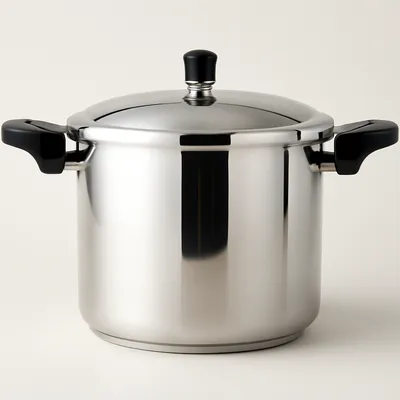
Like all dum biryani, it is finished sealed: par-cooked basmati is layered over marinated, part-cooked meat, the lid luted with dough, and the pot left on a low flame or coals so trapped steam circulates without escape. The Calcutta restraint comes from the spicing — far less chili and masala than the Deccan style, leaning instead on the perfume of saffron, rosewater, kewra (screwpine) essence and the warm sweetness of mace and nutmeg added at the end. The potato is fried and par-boiled in the spiced stock before layering so it cooks through under steam and drinks up colour and flavour; the egg is hard-boiled, sometimes lightly fried, and steeped in the same dum. A gentler, slower spice hand and the potato-egg are precisely what set it apart from the Awadhi original.
Variations
Most Calcutta houses and shops favour goat (mutton), though chicken and egg versions are common and cheaper; the most famous lineages are Shiraz, Aminia and Arsalan. Some cooks keep the potato whole and large, others halve it; a boiled egg may or may not appear. The Lucknowi/Awadhi parent omits the potato and is a touch more aromatic with attar; the Hyderabadi kachchi style is hotter, redder and meat-forward. A close Bengali relative, the everyday tehari, is the lighter all-rice or vegetable-and-potato version cooked without the elaborate dum.
On the Palate
Where Kolkata Biryani sits in the Indian flavor cloud
Ingredients
Serves 6


How it's made
7 steps · 1 hour 30 min
- 160 min
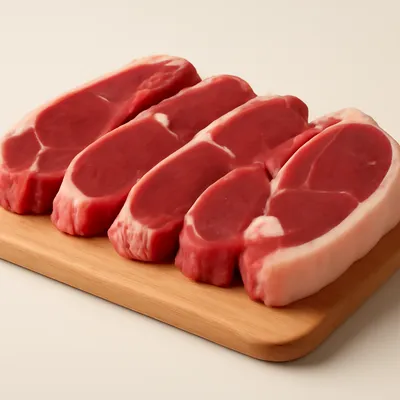
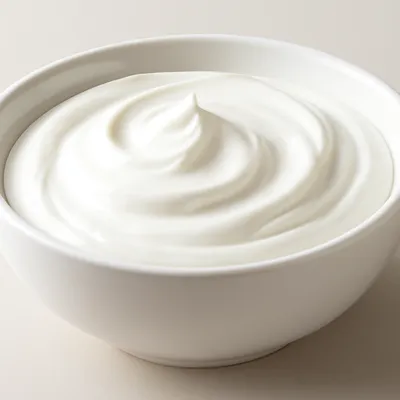
Wash and soak basmati rice 30 minutes; marinate bone-in goat (or chicken) in yogurt, ginger-garlic, ground spices and salt for 1-2 hours.
- 225 min
Peel large potatoes, prick them, and fry until golden; par-boil them in a little of the spiced stock so they take on colour. Hard-boil the eggs.
- 335 min
Brown the marinated meat with fried onions and whole garam masala, then simmer with a splash of water until two-thirds cooked; reserve the spiced gravy.
- 420 min
Boil the soaked rice in salted water with whole spices until 70% done, then drain.
Watch outBoil the soaked rice only to 70 percent done before layering — it finishes under steam, so fully cooked rice here turns to mush in the sealed pot.
- 512 min
Layer the par-cooked rice over the meat and potatoes; tuck in the eggs; sprinkle saffron milk, rosewater, kewra essence, ground mace and nutmeg, and fried onions.
- 635 min
Seal the lid with dough and cook on dum over very low heat (or coals) for 25-35 minutes so the steam finishes the rice and potato.
Watch outSeal the lid with dough and keep the flame very low — the luted seal traps the steam that finishes the rice; any gap lets it escape and the rice cooks unevenly and dries.
- 712 min
Rest 10 minutes, break the seal, and gently fold from the bottom so each serving has rice, meat, potato and egg.
Archive tool suggestions — not reviewed
These legacy suggestions have not been evidence-reviewed and are not presented as required tools.