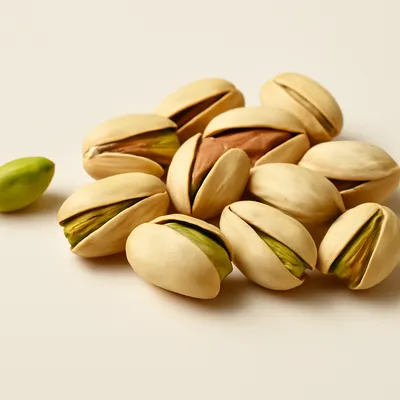
A festive saffron-and-sugar sweet rice studded with nuts and candied fruit. Basmati is parboiled, then cooked with sugar syrup, ghee, cardamom, and saffron until each grain turns golden and glossy and the syrup is absorbed. Slivered almonds and pistachios, raisins, and jewel-coloured candied fruit (murabba) are folded through, and in richer versions a little khoya. The name comes from the Persian zard, yellow, for its bright saffron hue; it is a sweet of weddings and celebration.



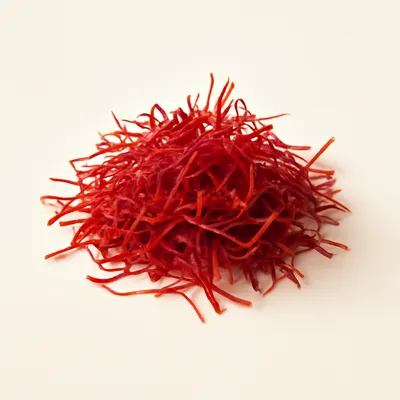
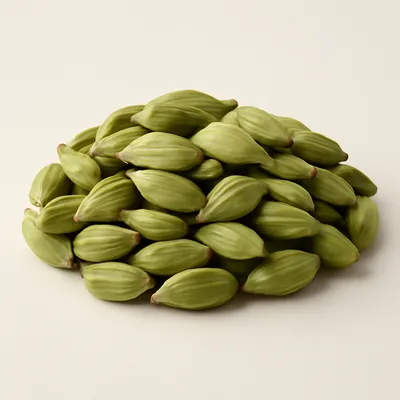
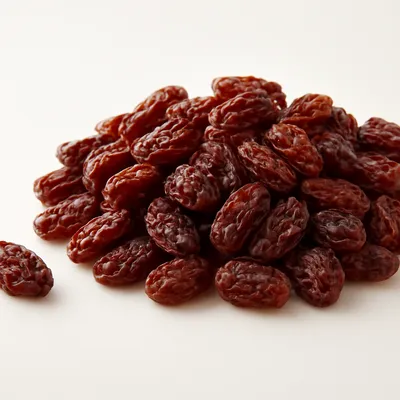
Zarda is a Mughal-era sweet rice popularized across North India under the empire; the 16th-century Ain-i-Akbari records a saffron rice called zard birinj made with rice, sugar, nuts, saffron, cinnamon, and ginger, and a Mughal variant studded with small fried sweetmeats (mutanjan) is said to have been favoured at Shah Jahan's court. The candied fruit and nuts mark it as celebration food, made for weddings and grand banquets. In Lucknow's Awadhi kitchens it carried into the nawabi sweet repertoire; the name is the Persian zard, yellow. (A similarly named zarda is also made in Pakistani cuisine.)
Loose, glistening golden grains, each separate and lightly chewy, sweet but not cloying, perfumed with cardamom and the honeyed earthiness of saffron. Bursts of texture come through — soft raisins, crunchy almond and pistachio, the chewy give of candied fruit, the odd whole clove. Ghee carries the aroma and gives a faint richness on the lips. Served warm or at room temperature at celebrations. Clumped, sticky, or pasty rice means it was overcooked or the syrup over-reduced.
Two stages keep the grains distinct. The rice is first parboiled in plenty of water and drained at about three-quarters done, so it finishes in the syrup without going mushy. Then sugar, water, ghee, and saffron are cooked to a light syrup and the rice is folded in and steamed gently (a brief dum) until the syrup is absorbed grain by grain rather than boiled into paste. Saffron is bloomed in warm milk or water first to draw out its colour and aroma; ghee coats the grains so they stay separate. Over-reducing the syrup or over-stirring breaks the grains and turns it sticky.
Variations
Mutanjan is the richer Mughal kin, layered with fried sweetmeats and sometimes mince in older recipes. Some versions add khoya for body or boondi for texture; Kashmiri and Hyderabadi tables make their own readings. The candied-fruit-and-nut garnish scales with the occasion — sparse for home, lavish for weddings. It is distinct from the differently-spiced Pakistani zarda, which often leans heavier on khoya and food colour.
On the Palate
Where Awadhi Zarda sits in the Indian flavor cloud
Ingredients
Serves 6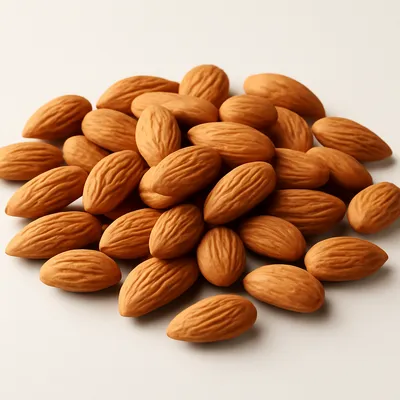
How it's made
6 steps · 20 min
- 140 min
Soak basmati 30 minutes, then parboil in plenty of water with a little salt and a few drops of yellow saffron colour until about three-quarters cooked; drain.
Watch outParboil the rice only to about three-quarters done, then drain — it finishes in the syrup, and fully-cooked now means mush later.
- 23 min
Bloom saffron in 2 tablespoons warm milk and set aside.
- 34 min
Heat ghee and gently fry green cardamom, cloves, and a small cinnamon stick until fragrant.
- 44 min
Add sugar and a little water, stir to a light syrup, then mix in the bloomed saffron.
- 53 min
Fold the parboiled rice gently into the syrup, scatter raisins, slivered almonds, pistachios, and candied fruit on top.
- 618 min
Cover and dum on the lowest heat until the syrup is fully absorbed and the grains are golden and separate; rest a few minutes, then fluff and serve.
Watch outDum on the lowest heat until the syrup's fully absorbed and the grains stay separate — over-stirring or over-reducing breaks the grains into paste.
Archive tool suggestions — not reviewed
These legacy suggestions have not been evidence-reviewed and are not presented as required tools.