
Rasmalai is a Bengali-origin but now pan-Indian milk sweet of the chhena (acid-set milk curd) family. Soft discs of chhena — the same paneer-like curd used for rasgulla — are first poached in a light sugar syrup until they swell and turn spongy, gently pressed flat, then steeped in rabri: full-fat milk slowly reduced and sweetened, perfumed with saffron and green cardamom and thickened with ground pistachios and almonds. It is served chilled, two or three discs to a bowl, swimming in the saffron-yellow milk and scattered with slivered nuts. The name combines 'ras' (juice/sap) with 'malai' (clotted cream).


Rasmalai belongs to the 19th-century Bengali sweet-shop tradition that systematized chhena — curdled milk solids — into spongy, syrup-soaked sweets, the same lineage that produced rasgulla. Its commercial popularization is usually placed in the early 20th century: the K.C. Das family of Calcutta credits its forebear Krishna Chandra Das with adapting the rasgulla technique into rasmalai, roughly a generation after Nobin Chandra Das was credited with the rasgulla in 1868; the Sen brothers of Comilla (the Matri Bhandar shop, est. 1930, whose rosmalai later received a geographical indication in Bangladesh) hold a competing claim. The exact inventor is therefore unrecorded, but its roots in the Bengal-region chhena confectionery of the late 19th and early 20th centuries are well established.
Pale, flattened cushions of cheese sit in cold saffron-yellow milk, the rabri thick enough to coat a spoon. The disc gives softly under the spoon, springs back a little, and breaks open to a coarse, ricotta-like grain that has drunk in the sweetened milk. First the cool, milky, faintly grassy saffron; then mild sweetness; then a crunch of pistachio and almond and the warm perfume of cardamom. It is light rather than cloying, and best eaten cold.
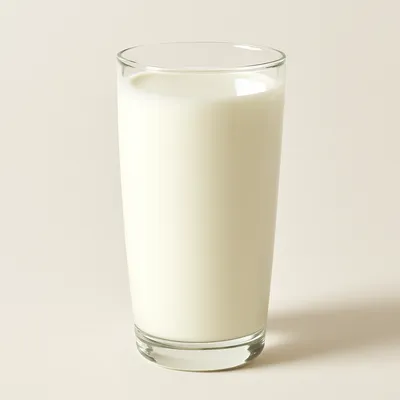
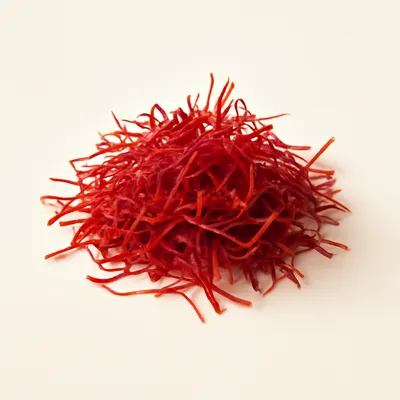
Two milk processes carry the dish. First, chhena is made by acid-coagulating hot fresh milk: lemon juice or citric acid (best around 80–85°C) lowers the pH so the casein proteins lose their charge and clump into soft curds, which are drained but kept moist, then kneaded smooth so they hold together. Discs are boiled in thin syrup — a vigorous boil, not a simmer — for about 15 minutes, doubling in size as they soak up water; the syrup must stay thin (one-string consistency at most) or the curds stay dense. Second, the rabri is built by slowly simmering full-fat milk while stirring, evaporating water and concentrating the lactose, milk proteins and fat into a thick, faintly caramelized cream; saffron's carotenoid pigments and aroma compounds bloom in the hot milk, and ground nuts thicken it further. The cooked discs are squeezed of syrup and rested in the rabri so the sweetened milk soaks all the way through.
Variations
Rasmalai is closely related to rasgulla — it essentially sets the same chhena balls in thickened cardamom-saffron milk rather than clear syrup; rajbhog is a larger, saffron-stuffed cousin. Bengali versions tend to be whiter and lighter; the angoori (grape-sized) style uses tiny chhena pearls in rabri. Bangladeshi rosmalai, notably the Comilla style, is its own celebrated lineage. Home and shop cooks vary the perfume — saffron, cardamom, rose water, kewra — and the nut garnish of pistachio, almond and sometimes charoli.
On the Palate
Where Rasmalai sits in the Indian flavor cloud
Ingredients
Serves 6
How it's made
7 steps · 40 min
- 115 min
Bring fresh full-fat milk to a boil, then add lemon juice or diluted citric acid a little at a time, stirring, until the milk splits into soft white curds and clear whey.
Watch outAdd the acid to hot milk around eighty to eighty-five degrees, stirring, until it splits into soft white curds and clear whey — too hot or too fast and the chhena turns hard and rubbery.
- 210 min
Strain through muslin, rinse briefly to remove sourness, and gently press out most of the whey, then knead the warm chhena on a board until smooth and just oily.
- 325 min
Roll into small balls, flatten each into a thick disc, and boil them in a wide pan of thin sugar syrup at a rolling boil for about 15 minutes until they swell and turn spongy; cool, then gently squeeze out the syrup.
Watch outBoil the discs in thin syrup at a rolling boil about fifteen minutes until they swell spongy — keep the syrup thin, or the curds stay dense and never lighten.
- 430 min
For the rabri, simmer full-fat milk over low heat, stirring often and scraping the sides, until reduced by roughly half and noticeably thickened.
Watch outSimmer the rabri milk, stirring and scraping the sides, until reduced by about half and clearly thickened — that concentration is what carries the sweetness and body.
- 510 min
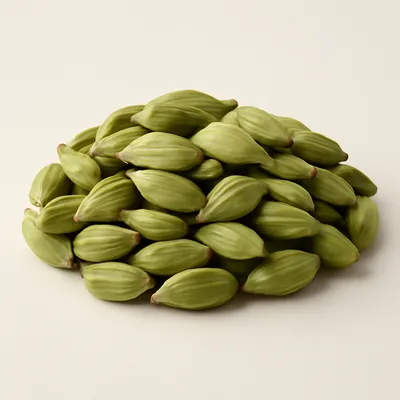
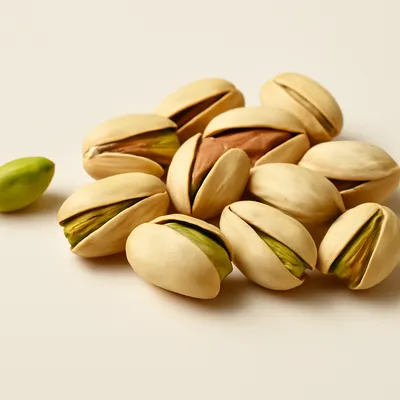
Stir in sugar, crushed green cardamom, saffron softened in a little warm milk, and ground pistachios and almonds; simmer a few minutes more, then cool.
- 6130 min
Add the squeezed chhena discs to the rabri and chill for at least 2 hours so they soak up the sweetened milk.
- 75 min
Serve cold in bowls, two or three discs each, spooned over with rabri and scattered with slivered pistachios and almonds.
Archive tool suggestions — not reviewed
These legacy suggestions have not been evidence-reviewed and are not presented as required tools.


