
Gajar halwa, also called gajrela, is the great North Indian winter dessert: grated carrots slow-cooked in milk until the milk reduces and is absorbed, then enriched with ghee, sugar and cardamom and studded with fried nuts and raisins. Long stirring turns the carrots deep red-orange and almost jammy, glossy with ghee and fragrant. Served warm from a heavy pan, sometimes with a scoop of kulfi or cream, it is the classic cold-weather sweet of Punjab and the Hindi belt, made in huge batches when red winter carrots are in season.




Gajar halwa belongs to the broad halwa family of slow-cooked sweet pastes whose name and technique reached India from the Arab and Persian world. The carrot version depends on the red, sugar-rich winter carrots historically grown across North India and is closely tied to Punjab and the wider Hindi belt; the wider use of milk reduction and ghee reflects the dairy-rich cooking of that region. As a folk and household winter sweet rather than a courtly invention, it has no single dated origin, though it is one of the most widely made halwas of the subcontinent and a fixture of winter weddings and festivals.
A warm, glossy mound of deep red-orange shreds, soft and melting, slick with ghee and dotted with golden nuts and plump raisins. The carrots are tender and almost candied, with a concentrated sweet-earthy flavour deepened by long-cooked milk and rounded with cardamom; cashews and almonds add crunch, raisins a chewy burst. It is rich and comforting rather than light, the dairy and ghee giving a fudgy, mellow body. A faint caramel edge appears if the milk has been cooked down far enough.
Grating maximizes surface area so the carrots release moisture and break down quickly. Simmered in milk, they cook in the dairy while the milk slowly reduces; the long, patient evaporation concentrates milk sugars and carrot sugars together, building flavour and a faint caramelization — this is why a quick version made with condensed milk never tastes as deep. Ghee is then cooked in to coat and gloss the shreds and carry fat-soluble aromatics, and sugar is added late so it dissolves and lightly caramelizes without making the halwa watery again. Constant stirring at the end prevents scorching as it thickens.
Variations
A khoya or mawa gajar halwa stirs in reduced milk solids for an even richer, denser result, common in sweet shops; a quicker home version uses condensed or evaporated milk. Some cooks add a splash of cream, others keep it purely milk-based, and the choice of nuts (cashew, almond, pistachio) and whether to include raisins varies by household. A Bengal-style and various festive versions exist, and the same method underlies other vegetable halwas such as those made from bottle gourd (lauki).
On the Palate
Where Gajar Halwa sits in the Indian flavor cloud
Ingredients
Serves 6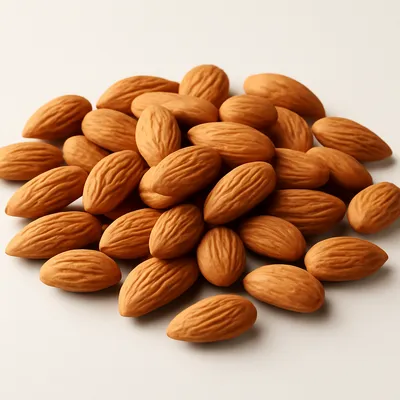
How it's made
6 steps · 25 min
- 115 min
Wash, peel and finely grate red winter carrots.
- 235 min
Simmer the grated carrots in milk over medium heat, stirring often, until the milk reduces and is mostly absorbed.
Watch outSimmer the carrots in milk, stirring, until the milk reduces down and is mostly absorbed — that slow evaporation is where the deep flavor comes from.
- 310 min
Add ghee and cook, stirring, until the carrots turn glossy and deepen in colour.
- 48 min
Stir in sugar and cook until it dissolves and the mixture thickens again.
Watch outAdd the sugar late and cook till it thickens again — sugar early just makes it watery and won't deepen.
- 56 min
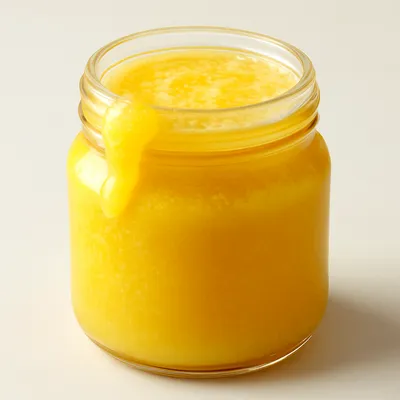
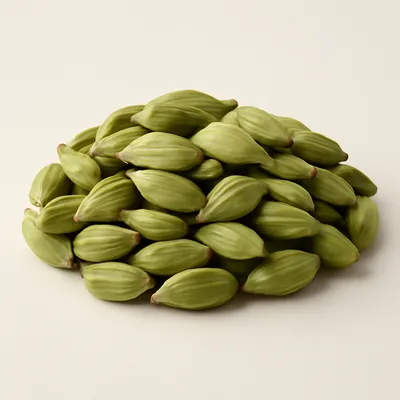
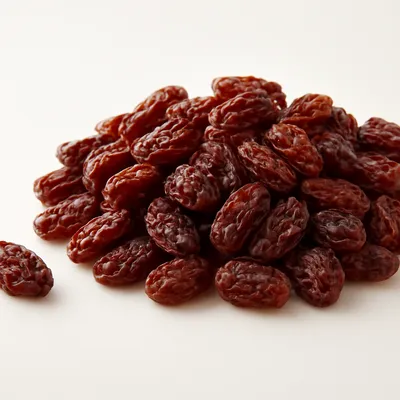
Fry cashews, almonds and raisins in a little ghee and fold most of them in with crushed cardamom.
- 610 min
Cook down to a soft, jammy halwa, garnish with the remaining nuts, and serve warm.
Archive tool suggestions — not reviewed
These legacy suggestions have not been evidence-reviewed and are not presented as required tools.


