
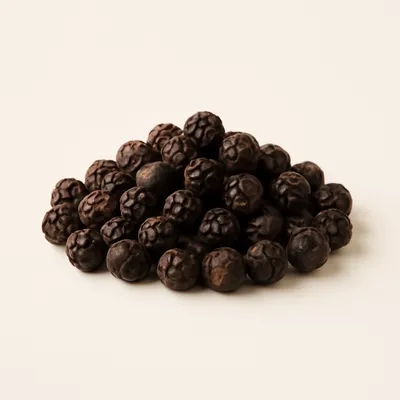
Pandhra rassa — pandhra is Marathi for white — is the mild, milky-white mutton broth of Kolhapur, the calm counterpart to the fiery red Tambda rassa. Mutton bones are simmered to a stock, then whitened and thickened with coconut milk and a ground paste of coconut, cashew and poppy seed, and seasoned with black and white pepper, ginger and garlic. There is no red chili in it at all — that absence is the whole point, since this is the broth meant to soothe the burn of its red twin. It is gentle, peppery and warming, drunk alongside Tambda rassa, mutton sukka and bhakri as the white half of the Kolhapuri rassa pair.
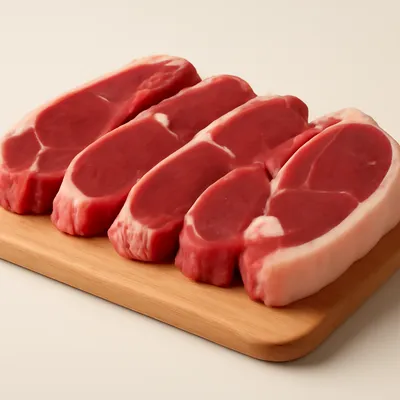


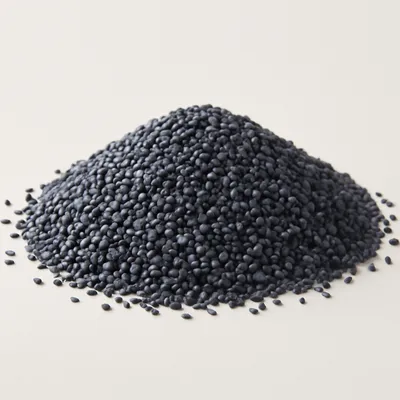
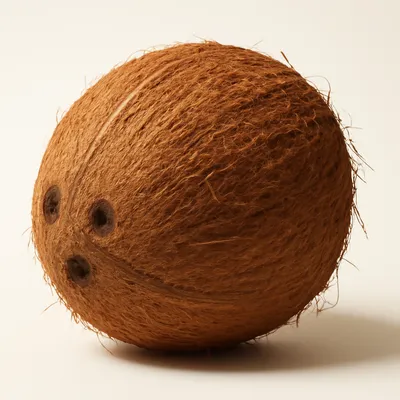

Pandhra rassa is the white-broth half of Kolhapur's non-vegetarian meal tradition in southern Maharashtra, and like its red partner it has no recorded inventor or founding date; it is a regional custom rather than a single recipe. Its identity is defined entirely in relation to Tambda rassa: where the red broth is built on chili, the white is built on coconut milk, cashew and poppy with pepper standing in for the heat, and the two are cooked and served as a matched set with mutton sukka and millet bhakri. This red-and-white rassa pairing is treated across accounts of Kolhapuri food as the signature of the city's non-vegetarian table. The same local lore that ties the fiery rassa to wrestlers attaches here too, but as living tradition rather than documented fact; what is firmly established is the role of the white broth as the cooling complement to the red.
It comes to the table pale and opaque, like a thin, off-white soup, smelling of pepper, ginger and coconut rather than chili. The first sip is soft and rounded, gently thickened by coconut milk and the cashew-poppy paste, with a slow, warming pepper tingle rather than any chili sting. Black and white pepper give a mild, aromatic heat at the back of the palate, and ginger and garlic keep it savoury and clean. After a mouthful of the burning red Tambda rassa, the white broth genuinely cools and resets the tongue — that contrast is the experience the pair is built around, the soothing low note against the red's fire.
Whiteness is engineered by leaving chili out entirely and building colour and body from pale ingredients. Coconut milk supplies a white emulsion of fat and water, while a ground paste of coconut, cashew and poppy (khus khus) adds starch and more fat that thicken the broth and reinforce its pale, opaque look. Heat comes from piperine in black and white pepper instead of capsaicin, so the warmth is aromatic and slow rather than the sharp front-of-mouth burn of the red rassa. The pepper, ginger and garlic are bloomed in oil or ghee to release their fat-soluble aromatics before the stock goes in. The broth must be kept below a hard boil once the coconut milk is added, because high heat can break the emulsion and split the fat out, leaving a curdled look instead of a smooth white soup.
Variations
Some cooks thicken purely with coconut milk for a lighter broth, others lean on the cashew-and-poppy paste for a richer, more opaque one; a little ground coconut deepens the body further. White pepper is preferred where cooks want to keep the colour pristine, with black pepper added for aroma. Chicken stock stands in for mutton in many homes, and a vegetarian version is built on a plain coconut-cashew stock. Its constant companion is Tambda rassa, the red, chili-driven broth made on roasted coconut and Bedgi and Lavangi chili; together with mutton sukka and bhakri they form the classic Kolhapuri non-vegetarian thali, the white always set against the red.
On the Palate
Where Pandhra Rassa sits in the Indian flavor cloud
Ingredients
Serves 4
How it's made
8 steps · 20 min
- 150 min
Pressure-cook or simmer 700 g bone-in mutton with water, salt, ginger and garlic until tender; strain and reserve the white stock and the meat.
- 210 min
Soak a handful of cashews and a spoon of poppy seeds, then grind with a little grated coconut to a smooth white paste.
Watch outGrind the soaked cashew, poppy and coconut to a truly smooth white paste — this is the body and the pale color; any grittiness shows in the finished broth.
- 34 min
Heat oil or ghee and gently fry crushed ginger, garlic and cumin without browning.
- 44 min
Add the cashew-coconut-poppy paste and cook briefly over low heat, keeping it pale.
Watch outCook the white paste gently and keep it pale — brown it and you lose the whole point of a 'white' rassa.
- 56 min
Pour in the reserved mutton stock and bring to a gentle simmer, then return the meat.
- 65 min
Stir in coconut milk and keep the broth just below a boil so it does not split.
Watch outOnce the coconut milk goes in, hold it just below a boil — let it actually boil and the coconut emulsion splits into grainy curds.
- 76 min
Season with black and white pepper and salt, and simmer gently for a few minutes until lightly thickened.
- 83 min
Finish with chopped coriander and serve hot beside the red Tambda rassa, mutton sukka and bhakri.
Archive tool suggestions — not reviewed
These legacy suggestions have not been evidence-reviewed and are not presented as required tools.


