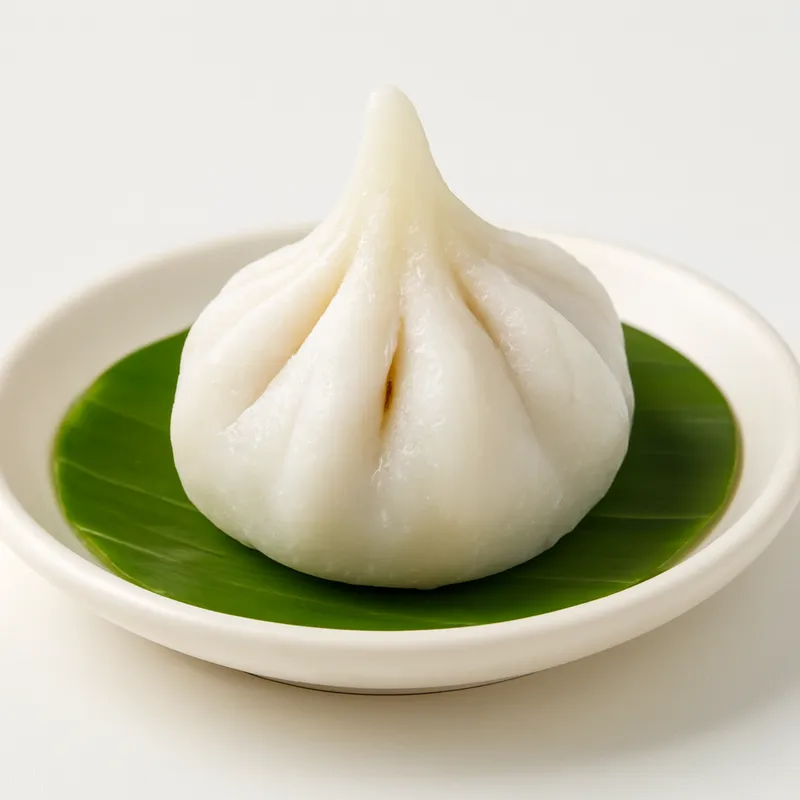
Chingri malai curry is the grand prawn dish of the Bengali table — large head-on prawns, lightly fried, then simmered in a pale, mildly sweet coconut-milk gravy scented with cardamom, clove, cinnamon and a hint of ginger. Malai here means the rich coconut cream that makes the sauce velvety and faintly sweet rather than fiery. Reserved for weddings and special feasts, it is one of the dishes a Bengali household most proudly serves to guests, the prawns kept just-cooked and the gravy thin enough to spoon over hot rice. Despite the name's echo of 'Malay', it is a thoroughly Bengali preparation built on the prawns of the rivers and estuaries of the delta.






Chingri malai curry belongs to the festive, wedding-feast cooking of Bengal, the celebratory repertoire of better-off Bengali households alongside dishes like doi maach and kosha mangsho. The name has prompted a popular suggestion that 'malai' derives from 'Malay', hinting at a Southeast Asian coconut connection through colonial-era trade and the kitchens of Bengalis who worked in the Straits; this etymology is folk theory and unverified, and the more straightforward reading is that malai simply means the cream skimmed from coconut milk. What is clear is that the dish draws on the prawns abundant in the rivers and brackish estuaries of the Ganges delta and on the Bengali fondness for a gently sweet, coconut-rich gravy, and that it has long held pride of place at weddings.
Plump prawns, just-set and faintly snappy, sit in a pale ivory gravy that clings in a smooth, creamy coat. The first taste is the round sweetness of coconut cream, lifted by the warm perfume of cardamom, clove and cinnamon and a low green-chili heat that stays in the background; a thread of ginger cuts the richness. The lightly fried prawns hold their sweetness and a faint char beneath the cream. It is a soft, luxurious, gently sweet curry — spooned generously over plain white rice and eaten warm.
Two things carry the dish: the prawns and the coconut. Large prawns overcook in seconds and turn rubbery, so they are shelled (heads often left on for flavour), lightly fried just until they curl and colour, lifted out, and returned only at the very end to finish in the residual heat. The gravy is built by tempering whole cardamom, clove, cinnamon and bay in hot oil or ghee, sweating a little onion-ginger paste, then adding coconut milk and bringing it only to a gentle simmer — coconut milk, like dairy, splits and turns oily if boiled hard, so the heat stays low. Thin coconut milk is often added first to cook the spices and thick coconut cream (the malai) stirred in near the end for body and shine. A pinch of sugar rounds the gravy in the Bengali manner.
Variations
Cooks differ on the aromatics — some keep it onion-light in the older niramish style, others build a fuller onion-ginger base; some thicken with a cashew or poppy-seed paste for an even richer gravy. Sweetness varies by household. The freshwater giant river prawn (golda chingri) is prized for feasts, while smaller estuarine prawns (bagda) are everyday; the same coconut treatment given to lobster or crab yields equally celebrated versions. It sits opposite the deeper, red-gravy prawn dishes of the region, the cream-and-coconut sibling of the lighter spiced fish curries.
On the Palate
Where Bengali Chingri Malai Curry sits in the Indian flavor cloud
Ingredients
Serves 4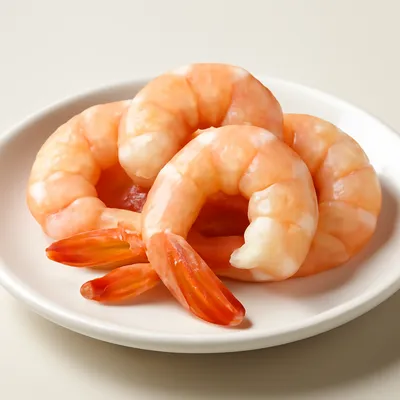


How it's made
6 steps · 30 min
- 112 min
Shell and devein large prawns, keeping the heads on if possible; rub with turmeric and salt and set aside.
- 24 min
Heat mustard oil to smoking, then lightly fry the prawns just until they curl and colour, about 1-2 minutes; lift out and reserve.
Watch outFry the prawns just until they curl and colour, then lift them out — a minute too long and they turn rubbery.
- 34 min
In the same oil temper bay leaf, cardamom, clove and cinnamon, then fry a little onion-ginger paste until the raw smell goes.
- 46 min
Add thin coconut milk, turmeric, green chilies and salt; simmer gently a few minutes to cook out the spices.
- 58 min
Stir in thick coconut cream and a pinch of sugar; keep at a low simmer, never a hard boil, until the gravy thickens to a creamy coat.
Watch outKeep the coconut milk at a low simmer, never a hard boil — boiled hard it splits and turns oily instead of creamy.
- 64 min
Return the prawns and simmer 2-3 minutes only, until just cooked through; finish with a little ghee and serve over rice.
Watch outReturn the prawns for only two to three minutes at the end, just to warm through — they finish in the residual heat.
Archive tool suggestions — not reviewed
These legacy suggestions have not been evidence-reviewed and are not presented as required tools.