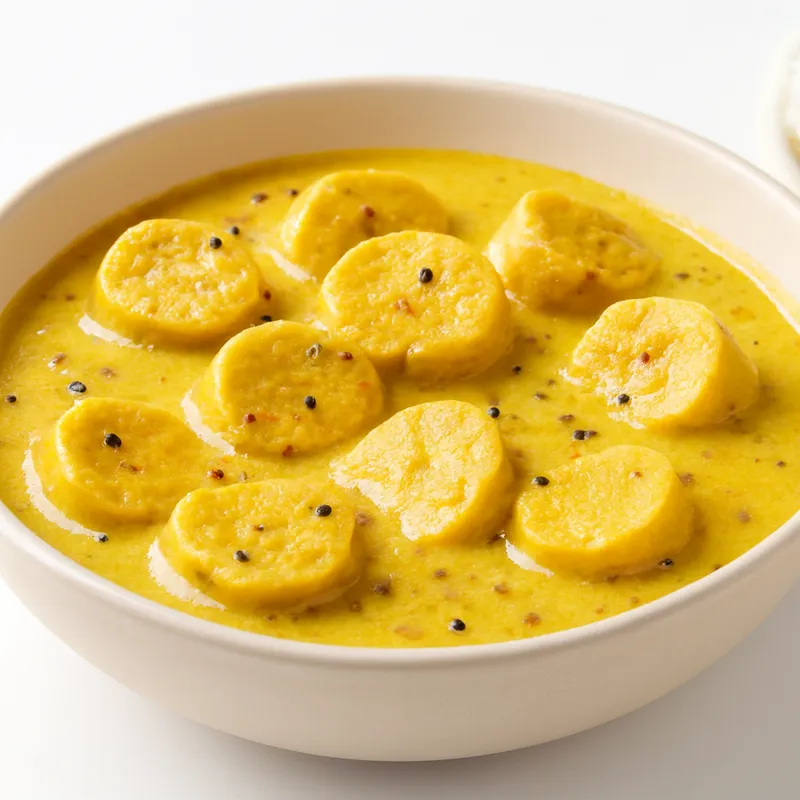
Natu Kodi Pulusu is a thin, tangy tamarind stew of free-range country chicken from Andhra Pradesh and Telangana. Natu kodi — the lean, firm-fleshed village fowl — is simmered long in a watery gravy soured with tamarind and heated with Guntur chili, built on onions, ginger-garlic and a roasted, ground masala. Pulusu names a whole family of tangy, soupy Telugu stews; unlike the dry iguru or thick kura, it stays loose enough to drink, eaten poured generously over rice. The slow-cooked country bird gives it a depth that broiler chicken cannot match.
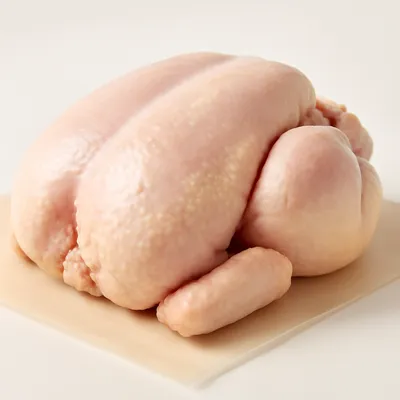





Pulusu — from the Telugu word for a sour, tamarind-based stew — is one of the defining curry families of Andhra and Telangana, alongside the dry iguru and the gravied kura. The natu kodi (country chicken) version is prized for festivals, Sunday meals and roadside dhabas, where the tougher, slower-cooking village bird is held to give better flavor and gravy than commercial broilers. It is regional home and meal-house cooking without a recorded inventor; its sourness comes from tamarind rather than tomato, and its heat from Guntur chili, in keeping with Andhra Pradesh's standing as India's leading red-chili producer.
A loose, rust-coloured gravy you can ladle and almost drink, sharp with tamarind sourness and fiery with chili. The country chicken is firm and meaty, the flesh tighter and more flavorful than broiler, pulling off the bone in dense shreds. Sourness leads, chili heat follows close behind, and the slow-cooked masala gives a savory, slightly peppery base. Poured over a mound of plain rice it soaks straight in; you eat it almost like a soupy rice. Best with extra chili for those who can take it.
Country chicken has less fat and more connective tissue than broiler, so it needs long, gentle simmering for the collagen to convert to gelatin and the meat to turn tender — the gelatin in turn gives the thin pulusu its body. Tamarind is added after the chicken has begun to soften, not at the start: its acid would otherwise toughen the muscle protein and slow the breakdown. The roasted, ground masala blooms in the onion base so its fat-soluble aromatics carry through the watery gravy. The stew is deliberately kept thin and tangy, the sourness of tamarind balancing the fat of the bird and standing up to a heavy dose of Guntur chili.
Variations
Kodi Pulusu can be made with ordinary chicken when country fowl is unavailable, though the texture is softer and the flavor lighter. Some Telangana versions are thicker and add more onion; coastal Andhra cooks lean tangier and hotter. A drumstick (moringa) or boiled egg is sometimes added, and a few cooks finish with a tempering of curry leaves and dried chili. The dry, semi-dry cousins are Kodi Iguru and Kodi Vepudu (chicken fry).
On the Palate
Where Natu Kodi Pulusu sits in the Indian flavor cloud
Ingredients
Serves 4


How it's made
6 steps · 20 min
- 110 min
Clean the country chicken and cut into pieces on the bone; rinse and drain.
- 26 min
Heat oil and saute sliced onions until golden, then add ginger-garlic paste, slit green chilies and curry leaves.
- 34 min
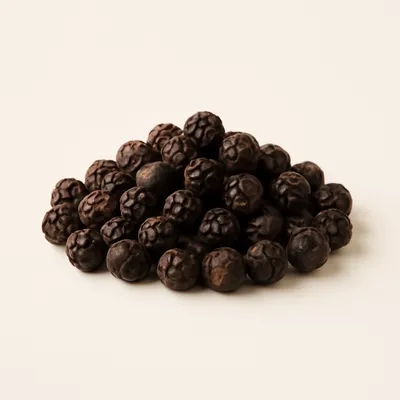
Add turmeric, Guntur chili powder, coriander and cumin powder and a freshly ground masala of pepper, cloves and cinnamon; fry briefly.
- 425 min
Add the chicken and saute to seal and coat in the masala, then add hot water to make a thin gravy and simmer covered until the meat begins to tenderise.
Watch outSimmer covered until the meat just begins to tenderise before the tamarind goes in — country chicken is tough, and adding acid too early only toughens the muscle further.
- 515 min
Stir in tamarind extract and salt and continue simmering until the country chicken is fully tender and the gravy is tangy and thin.
Watch outStir in the tamarind and keep simmering until the bird is fully tender and the gravy stays thin and tangy — the long gentle cook is what melts the collagen and gives the thin broth body.
- 62 min
Finish with fresh coriander and serve hot, poured generously over steamed rice.
Archive tool suggestions — not reviewed
These legacy suggestions have not been evidence-reviewed and are not presented as required tools.