More Kuzhambu is a gently heated buttermilk curry stabilized and thickened with a freshly ground paste of coconut, cumin, and turmeric, finished with a mustard-and-curry-leaf temper. A cornerstone of Tamil Brahmin festive cooking, it appears alongside sambar and rasam as one of the three prescribed curries at wedding feasts, and is eaten over white rice.



More Kuzhambu belongs to the vegetarian Brahminic (Iyer and Iyengar) cooking tradition of Tamil Nadu, where soured-milk preparations have been a regular part of the twice-daily rice meal since at least the period documented in classical Sangam poetry (c. 200 BCE–300 CE), which references buttermilk as a standard complement to cooked rice. Tamil food historians tracing the Brahmin household menu through Sangam texts and inscriptional records have noted the consistent presence of more-based preparations at the twice-daily meal. The dish holds a prescribed place in the Tamil Brahmin wedding feast: sambar, rasam, and more kuzhambu are served sequentially over rice on the banana leaf, each in a fixed position in the ritual meal structure. The use of freshly ground coconut paste — rather than the gram-flour thickener used in North Indian kadhi — marks the dish's specific Tamil identity, reflecting the region's reliance on wet-ground masalas over dried flour-based roux.
Mild, cooling, and gently sour — the thin, pale-yellow curry has a creamy coconut backbone, a clean tang from the buttermilk, and the soft earthiness of cumin; it calms and refreshes the palate between richer courses, its delicate flavor deepened only by the final burst of mustard-seed temper.
The critical challenge in More Kuzhambu is preventing the buttermilk — a protein-water colloid with casein at roughly 3.3% — from curdling. Casein begins to visibly denature and aggregate above about 82 °C, so the curry must be cooked over the lowest flame and removed before any visible boil. The freshly ground coconut paste contributes medium-chain triglycerides and fiber, which act as a partial colloid stabilizer by buffering protein aggregation and slowing heat transfer. Cumin's primary volatile, cuminaldehyde, is fat-soluble and disperses through the coconut lipid fraction, providing diffuse aromatic coverage. The final tempering — mustard seeds split at roughly 180 °C in hot oil, curry leaves releasing their carbazole alkaloids — is added last because these volatile aromatics would dissipate entirely during the long, gentle heating of the buttermilk base.
Variations
Ash gourd (white pumpkin), colocasia, or okra cooked directly in the curry adds body and transforms it into a vegetable curry. Spiced versions incorporate green chilies into the coconut paste. Kerala's Moru Kachiyathu is a thinner, less coconut-forward relative. Some Iyengar households omit onion entirely and use only asafoetida in the temper, observing strict no-allium protocols.
On the Palate
Where More Kuzhambu sits in the Indian flavor cloud
Ingredients
Serves 4


How it's made
7 steps · 10 min
- 15 min
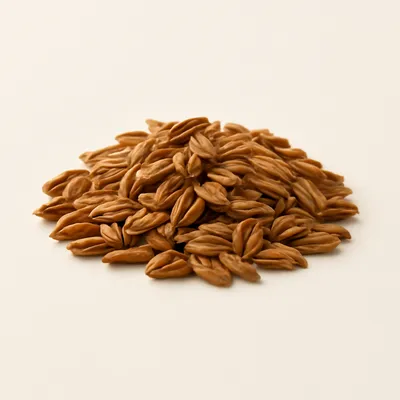
Grind together ½ cup freshly grated coconut, 1 tsp cumin seeds, 1 green chili, ¼ tsp turmeric, and 2 tbsp cooked rice with just enough water (about 3 tbsp) into a very smooth, fine paste.
- 23 min
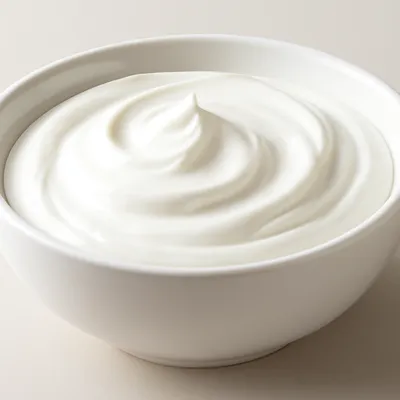
Whisk 2 cups plain yogurt with 1 cup water until completely smooth and lump-free; stir in the ground coconut paste until fully incorporated.
- 38 min
If using ash gourd or okra, cook the vegetable separately in lightly salted water until just tender; drain and stir into the buttermilk mixture.
- 48 min
Pour the mixture into a heavy-bottomed saucepan set over the lowest possible flame; cook, stirring continuously with a wooden spoon, for 8 minutes until the curry turns from white to pale yellow and steams gently.
Watch outCook over the very lowest flame, stirring nonstop, only until it warms and steams — keep the buttermilk moving so the casein doesn't catch and curdle.
- 51 min
Watch carefully — the moment small bubbles begin to form at the edges, remove the pan from heat immediately; residual heat will continue cooking the curry, so do not delay.
Watch outThe instant tiny bubbles show at the edge, pull it off the heat — residual heat finishes it, and one real boil splits the curry.
- 61 min
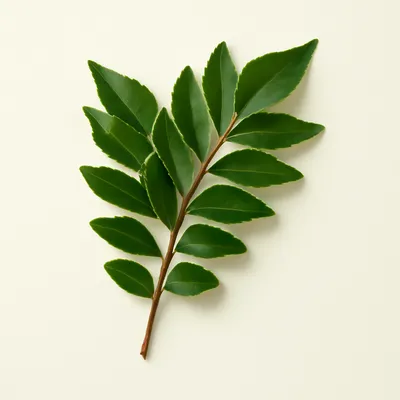
Heat 1 tsp coconut oil in a small pan until shimmering; add ½ tsp mustard seeds, 1 dried red chili, and 8 curry leaves; let the seeds pop and the leaves turn crisp, about 30 seconds.
- 71 min
Pour the tempering over the hot curry, swirl gently to incorporate, and serve at once ladled over steamed rice.


