A Hyderabadi lentil stew built on chana dal and soft bottle gourd, soured with tamarind and tempered with curry leaves and dried red chillis. The vegetarian counterpart to meat dalcha, it appears at everyday tables and Eid spreads alike, always alongside bagara khana or biryani.




Dalcha traces its roots to the Persian-inflected stews absorbed into the Deccan courts during the Mughal era. Under the Nizams of Hyderabad, whose dominion lasted from 1724 to 1948, dalcha became a fixture of the formal dining spread, paired invariably with bagara khana at weddings and Eid feasts. The vegetarian kaddu version developed as a fasting-day and everyday budget alternative, using bottle gourd to replicate the body of meat, and it remains a canonical household recipe within the Nizami culinary tradition.
Creamy and tangy, with a gently spiced warmth — the dal melts into a thick, slightly sour gravy while soft chunks of bottle gourd yield with no resistance. The finishing tadka of curry leaves and red chillis delivers a sharp aromatic snap that cuts through the richness.
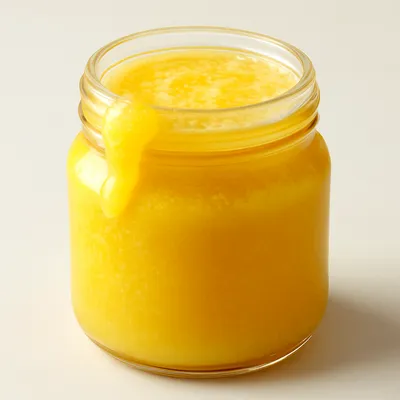
Pressure-cooking the chana dal at around 120°C rapidly gelatinizes its starch granules, producing a smooth, cohesive paste that forms the stew's body. Bottle gourd (roughly 90% water by weight) releases moisture as it softens, lightening the texture; its pectin-rich cell walls break down completely once sustained heat above 85°C is applied. Tamarind's tartaric and citric acids act on the surface proteins of the gourd, brightening flavour and slowing further breakdown into mush. The tadka — curry leaves and dried red chillis fried briefly in ghee — volatilizes their essential oils, including linalool, geraniol, and capsaicin; these fat-soluble aromatics disperse through the hot oil and carry into the stew far more efficiently than they would in water alone.
Variations
Baingan Ka Dalcha substitutes eggplant for bottle gourd, adding a smokier, earthier note. Mutton Dalcha incorporates bone-in goat meat, releasing collagen for a richer, more gelatinous body. Coastal Hyderabadi kitchens sometimes stir in fresh coconut paste to temper the tamarind's acidity. A toor dal version replaces chana dal with pigeon peas for a thinner, faster-cooking result.
On the Palate
Where Kaddu Ka Dalcha sits in the Indian flavor cloud
Ingredients
Serves 4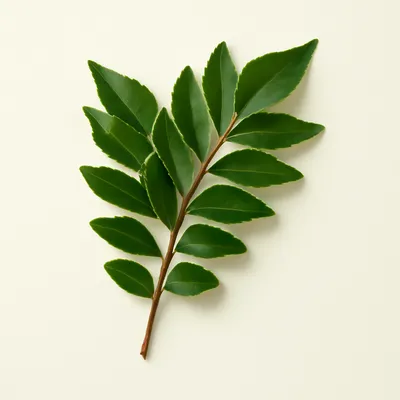


How it's made
7 steps · 15 min
- 115 min
Rinse 200g chana dal and pressure-cook with a pinch of turmeric and 500ml water for 5–6 whistles until completely soft; mash into a smooth paste and set aside.
- 25 min
Peel and dice 400g bottle gourd into 2cm chunks; toss with a pinch of salt.
- 32 min
Heat 2 tbsp oil in a pressure cooker over medium heat; add 1 cinnamon stick, 4 cloves, 1 tsp cumin seeds, and 10 curry leaves; sauté 30 seconds until fragrant.
- 414 min
Add 1 medium onion, thinly sliced; cook until golden-brown, about 8 minutes. Stir in 1 tbsp ginger-garlic paste and cook 2 minutes. Add 2 chopped tomatoes and cook until oil separates, about 4 minutes.
Watch outCook the onion base until the oil separates out — that split is the signal the masa's raw edge is gone and the flavors have concentrated.
- 515 min
Add the diced bottle gourd, 1 tsp chilli powder, and 1 tsp coriander powder; stir to coat. Add 200ml water, seal the cooker, and cook 3 whistles until gourd is completely tender.
- 612 min
Open the cooker, stir in the mashed chana dal and 50ml tamarind water; simmer uncovered over low heat for 10 minutes, adding water to reach a thick, pourable consistency. Season with salt.
- 73 min
For the tadka: heat 1 tbsp ghee in a small pan over high heat; add 3 dried red chillis and 8 curry leaves; sizzle 20 seconds and pour the sputtering oil over the dal. Serve hot with bagara rice or biryani.
Watch outPour the tadka over the moment the chilies and curry leaves sizzle and smell fragrant — let them go past that and the ghee scorches bitter.


