Assam's fermented overnight rice — the regional form of the pan-eastern-Indian panta bhat tradition. Leftover cooked rice is soaked in water and left to ferment overnight, turning lightly sour, probiotic, and cooling. Eaten in the morning with mustard oil, onion, green chili, and salt, it is the farmer's breakfast and the summer cooling meal of the Brahmaputra valley.
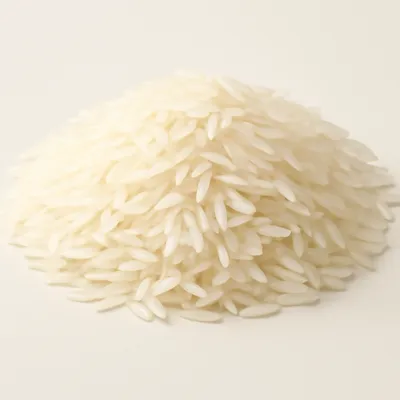




Poita bhat (panta bhat) is Assam's form of the pan-eastern-Indian tradition of fermenting leftover cooked rice overnight in water — a practice found across Bengal (panta bhat), Odisha (pakhalabhat), and the tribal belts of the northeast, rooted in an agrarian economy that could not afford to waste cooked rice and in the practical need for a cooling, no-cook breakfast in the summer heat. The dish is barely a recipe: leftover cooked rice is covered with water and left at ambient temperature overnight, during which wild lactic-acid bacteria ferment the rice's starches into lactic acid, turning the water lightly sour and the rice slightly softer. In the morning it is eaten with mustard oil, chopped raw onion, green chili, salt, and sometimes a little curd or roasted greens — a complete, no-cook, cooling meal for a farmer heading to the fields. The practice belongs to Assam's wider jolpan (light-meal) breakfast culture, which centers on rice in many preserved and processed forms, and it remains a summer staple of the valley's households.
Cool, soft, lightly sour rice in its faintly tangy water, with the sharp bite of raw onion, green chili, and the warm, nutty richness of mustard oil.
The transformation is a spontaneous lactic-acid fermentation. Wild lactic-acid bacteria present on the cooked rice and in the ambient water consume the rice's residual starches overnight, producing lactic acid (which lowers the pH and gives the characteristic clean sourness), small amounts of ethanol and carbon dioxide, and, in the process, partially breaking down the rice's starches and antinutrients (like phytic acid) — which makes the rice's nutrients, particularly B vitamins and iron, more bioavailable. The lowered pH is also the preservation mechanism: it suppresses the growth of spoilage bacteria and pathogens, which is why this dish kept safely without refrigeration in a hot, humid climate — the same logic that governs yogurt, sauerkraut, and every other lacto-fermented food. The overnight soak also hydrates the rice further, softening its texture and making it refreshing to eat cold on a hot morning. The B-vitamin (particularly B12) and probiotic content of fermented rice is notably higher than that of fresh-cooked rice.
Variations
A little curd is stirred in for creaminess; some add roasted or fried greens, and the dish is made across the eastern-Indian belt under regional names.
On the Palate
Where Poita Bhat sits in the Indian flavor cloud
Ingredients
Serves 3How it's made
6 steps · 5 min
- 12 min
Take leftover cooked rice and place it in a bowl; cover generously with water.
- 22 min
Leave covered at room temperature overnight (8–12 hours) to ferment.
Watch outLeave it eight to twelve hours until the water turns lightly cloudy and sour — that cloudiness and tang mean the ferment has taken.
- 31 min
In the morning, the water will be lightly cloudy and sour and the rice softened.
- 42 min
Drain off most of the water (or keep some, by preference), and season with salt.
- 52 min
Stir in a spoon of mustard oil, and top with finely chopped raw onion and green chili.
Watch outStir in the mustard oil raw at the end — its sharp pungency is the counterpoint to the soft, sour rice; cooking it dulls that lift.
- 61 min
Serve cool, as a no-cook breakfast on a hot day.


