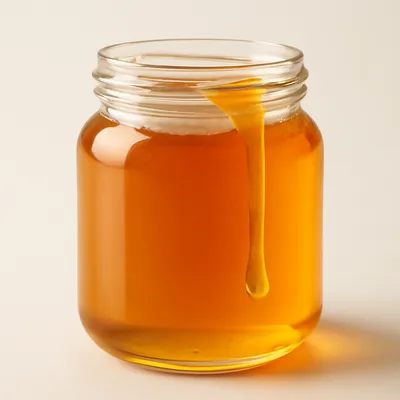


Tej is Ethiopia's ancient honey wine, predating the Christian era. The gesho plant (Rhamnus prinoides) serves as both bittering agent (balancing the honey's sweetness) and natural preservative (antimicrobial). Tej is served at every celebration and in tej bet (honey wine houses).
A glass of golden, slightly cloudy, viscous liquid. The first sip is intensely sweet (honey), then the gesho's bitterness arrives, then the alcohol warmth. It's complex, floral, and stronger than it tastes. Sipped slowly from a berele.
The fermentation relies on wild yeasts present in the honey and environment. Gesho provides tannins (bitterness) and antimicrobial compounds that suppress unwanted bacteria while allowing yeast to thrive. The honey's high sugar content (60%+) provides ample fermentable substrate, resulting in an ABV of 7-15%.
Variations
Sweetness varies (more honey = sweeter); aging time varies; some add hops.
On the Palate
Where Tej sits in the Ethiopian flavor cloud
Ingredients
Serves 6How it's made
6 steps · 1 hour active + 2 days 23 hours waiting
- 15 min
Dissolve honey in water (1:3 ratio).
- 25 min
Add chopped gesho leaves and stems.
- 32880 min
Cover loosely; ferment at room temperature 2-4 weeks.
Watch outCover it only loosely — the wild-yeast ferment needs to breathe off gas; sealed tight it can build pressure and stall or spoil.
- 41 min
Stir daily for the first week.
Watch outStir daily and watch for a steady rise of tiny bubbles — that fizz means the yeast is alive and the honey is fermenting.
- 55 min
Strain through cloth; transfer to a clean container.
- 61 min
Serve in a berele (traditional flask); sip through the long neck.
Archive tool suggestions — not reviewed
These legacy suggestions have not been evidence-reviewed and are not presented as required tools.


