A platter of injera topped with a variety of vegan stews, some spicy, some mild.


The fasting platter of the Ethiopian Orthodox Church (Tewahedo), assembled because Wednesdays, Fridays, and the long fasts of Lent and Advent ban animal products entirely. The format dates to the church's establishment around the 4th century; the modern composition stabilized once berbere and the niter kibbeh tradition matured in the highlands during the medieval period.
The Tewahedo Orthodox fasting platter, formalized once berbere and niter kibbeh stabilized in the highlands during the medieval period. Five to seven mounds on one round of injera; juices are placed so they don't bleed across.
A round of injera laid flat across a wide platter, then spooned with five to seven small mounds: yellow split peas, red lentils, cabbage-and-carrot, collards, beet, sometimes shiro. No utensils — tear injera with the right hand, pinch a bite, repeat. Each stew tastes different against the same sour bread. Shared from one platter; eating alone misses the point.
The platter is a tasting flight, not a sampler — each stew is cooked to a different doneness and seasoning to teach the palate contrast. Mild alicha stews go next to fiery wat; the cook places them so juices don't bleed across. Injera is structural: its sour fermentation cuts berbere heat the way yogurt cuts curry.
Variations
Yatsom beyaynetu (strict fasting, no animal products); yesega beyaynetu (with meat wats added on non-fast days); Eritrean ga'at-beyaynetu pairs the platter with a porridge mound at the center.
On the Palate
Where Beyaynetu sits in the Ethiopian flavor cloud
Ingredients








How it's made
7 steps · 2 hours
- 113 min
Lay a large piece of injera on a serving platter.
- 213 min
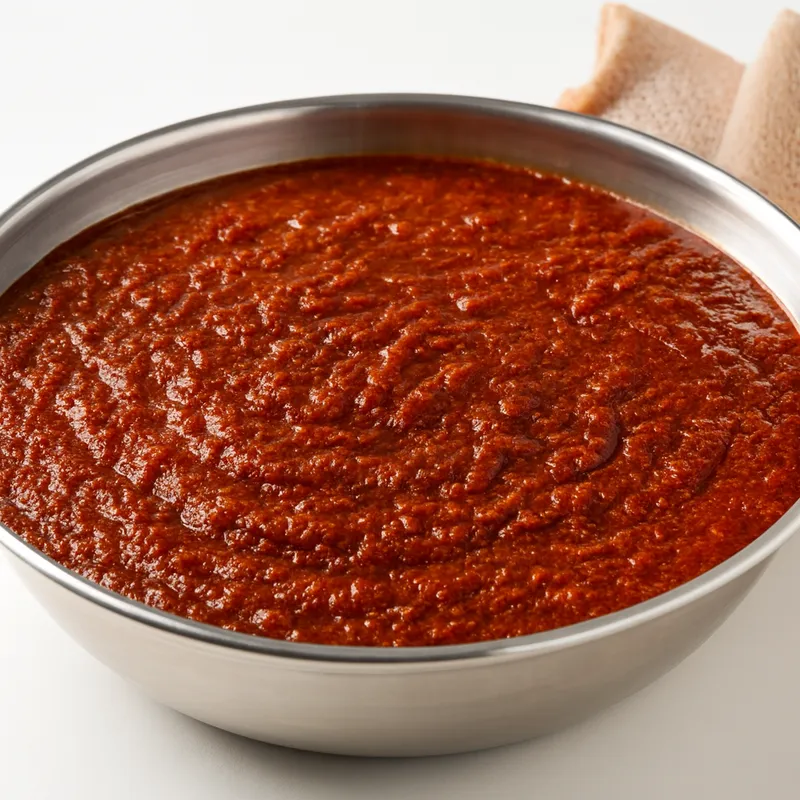
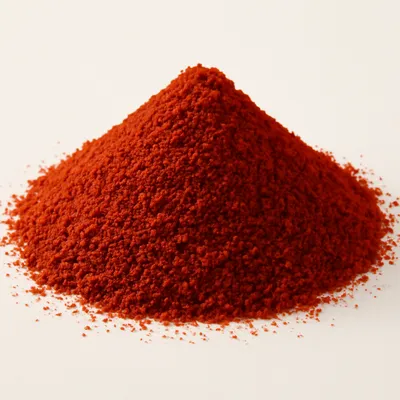
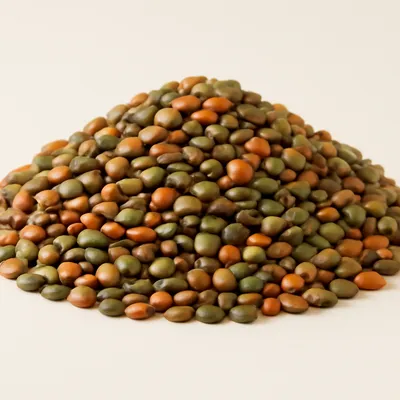
Prepare Misir Wot by simmering lentils with berbere and onions until tender.
Watch outSimmer the lentils until they collapse into a thick spoonable stew — no standing water; loose misir wot slides right off the injera.
- 313 min
Cook Kik Alicha with yellow split peas, turmeric, and niter kibbeh for a mild flavor.
- 413 min
Stew cabbage, carrots, and potatoes in turmeric for Atakilt Wat.
- 540 min
Simmer chickpea flour in water to make Shiro, seasoned with berbere.
Watch outWhisk the chickpea flour in slowly and cook it out — it should thicken smooth and lose its raw-bean taste, not stay powdery.
- 621 min
Sauté collard greens with onions and garlic for Gomen.
- 75 min
Arrange the stews on the injera and garnish with extra berbere if desired.
Archive tool suggestions — not reviewed
These legacy suggestions have not been evidence-reviewed and are not presented as required tools.