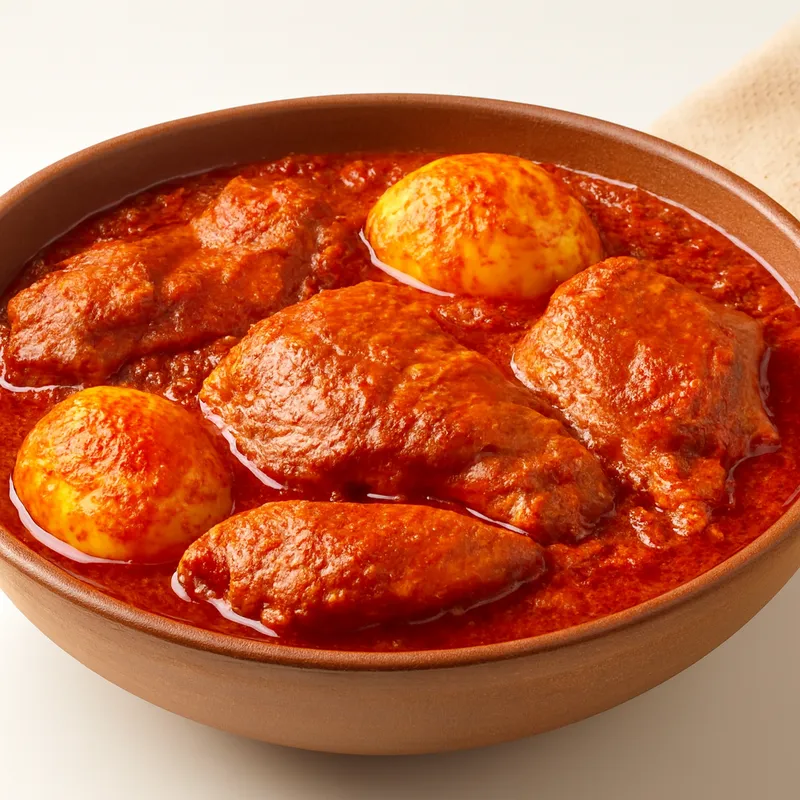




Eaten on the Ethiopian Orthodox calendar when the fasting period breaks. The most famous occasion is Fasika (Ethiopian Easter), the year's biggest break-fast, when families slaughter livestock at dawn after the overnight vigil and cook through the day. Note, however, that the most iconic Fasika dish is doro wat (chicken stew with whole boiled eggs); lamb is more a dish of households who can afford it, or of the extended feasting in the days after, rather than the universal centerpiece. The lamb itself carries Easter symbolism, echoing the ram God substituted for Abraham's son and read as a foreshadowing of Christ as the sacrificial Lamb. The hard-boiled egg sitting in the sauce absorbs berbere oil and becomes a delicacy in its own right — often given to a guest as a mark of respect. The egg is also widely said to symbolize resurrection, though this is more a popular reading than church doctrine.
The Fasika (Ethiopian Easter) lamb stew — families slaughter at dawn and cook through the day. Qulet is the load-bearing step: dry-cook onion-and-berbere paste 45 to 60 minutes before any liquid hits, or the stew tastes raw and sharp no matter how long it simmers.
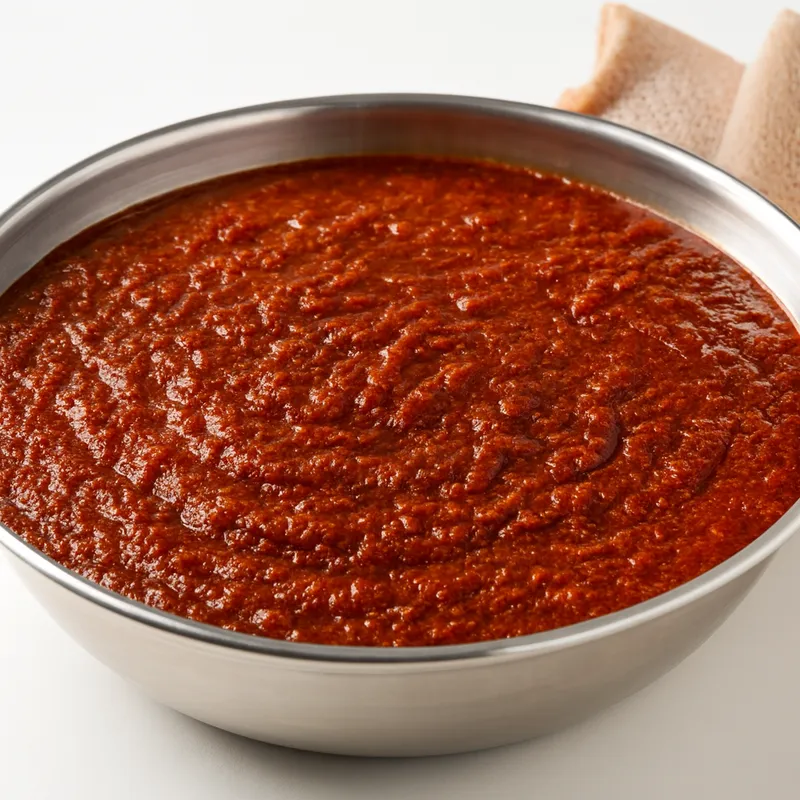
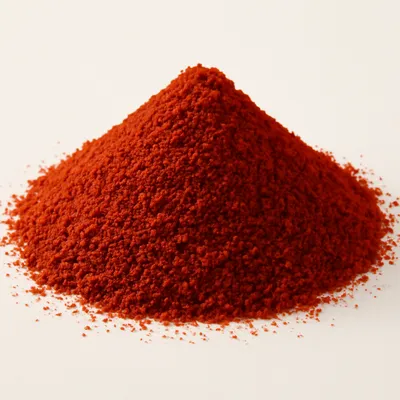
Lamb shoulder cut into thumb-size chunks, simmered in a brick-red sauce thick enough to coat a piece of injera without dripping. Berbere does the heat; long-cooked onion does the body. Bone-in pieces are common — the marrow goes into the sauce. Served with injera and a hard-boiled egg sitting on top, scored so the sauce gets in.
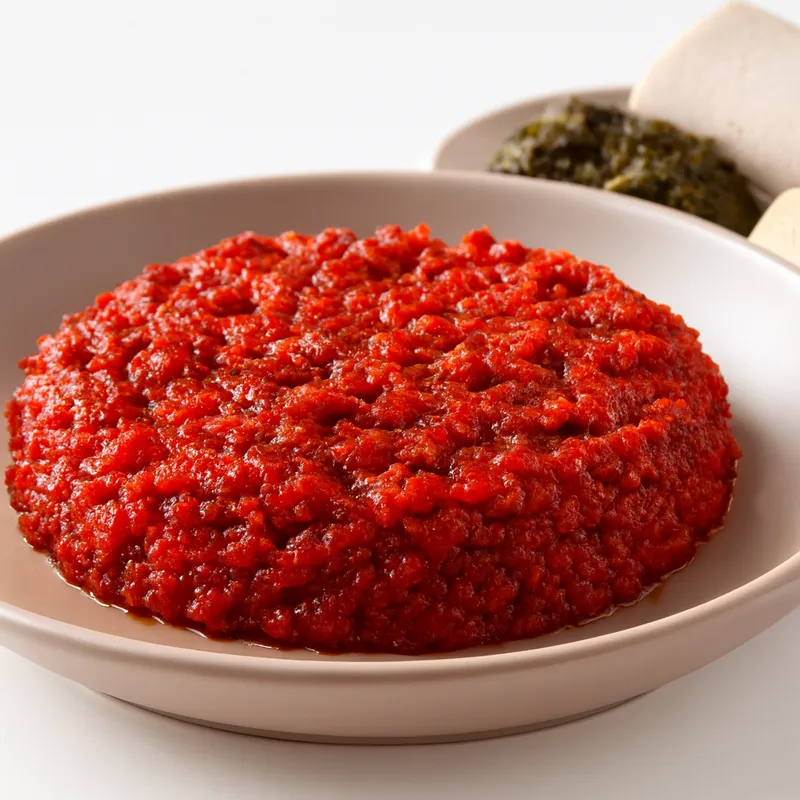
The base is qulet — a slow-cooked onion-and-berbere paste, cooked dry in a heavy pot for 45 minutes to an hour before any liquid hits. The onions break down completely and the berbere blooms in their released sugars; only then does the lamb go in. Skip the qulet stage and the stew tastes raw and sharp no matter how long it simmers.
Variations
Yebeg wat (lamb shoulder, the Easter standard); yebeg alicha (mild, turmeric-based, no berbere); siga wat substitutes beef; Eritrean dorho zigni runs the same red-onion-berbere base on chicken.
On the Palate
Where Yebeg Wat sits in the Ethiopian flavor cloud
Ingredients



How it's made
6 steps · 3 hours
- 125 min
Melt niter kibbeh in a large pot over medium heat.
- 225 min
Add chopped onions and cook until golden brown.
Watch outCook the onions dry and slow until they collapse into a deep golden jam — this long, patient stage is the qulet, and skipping it leaves the whole stew raw and sharp.
- 315 min
Mix in garlic, ginger, and berbere, cooking until fragrant.
Watch outStir the berbere in and let it bloom in the onion's sugars until it smells deep and toasty — that's the spice waking up, not just warming.
- 425 min
Add lamb pieces and brown on all sides.
Watch outSear the lamb on every side before liquid — locking the surface keeps the pieces meaty in the long simmer.
- 515 min
Stir in tomato paste and a splash of red wine.
- 675 min
Simmer until lamb is tender and sauce thickens.
Archive tool suggestions — not reviewed
These legacy suggestions have not been evidence-reviewed and are not presented as required tools.