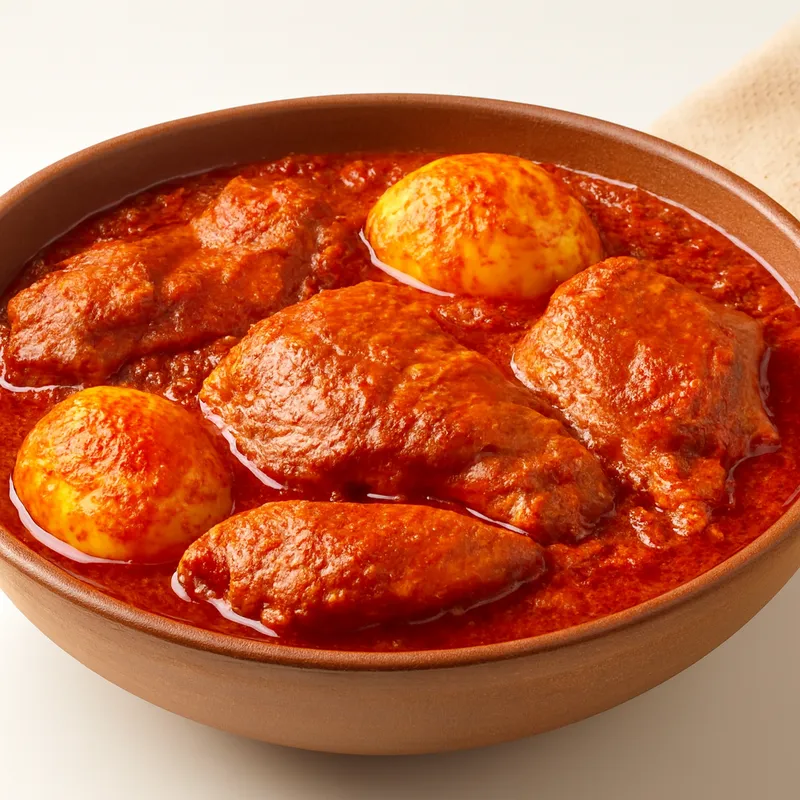
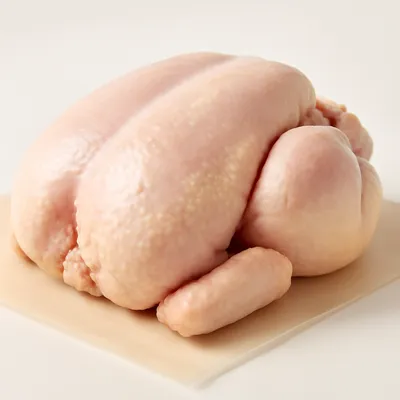

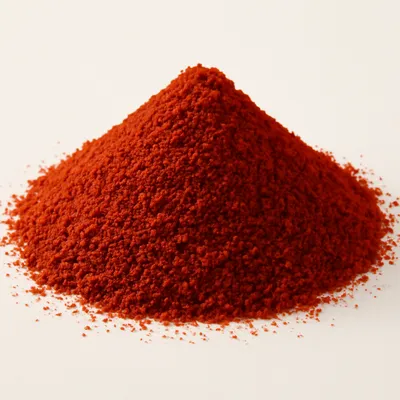



Ethiopia's national dish (also a staple in Eritrea), rooted in the Orthodox Christian highland kitchens of the Amhara–Tigray plateau — though no single founding region or people is firmly documented, and it is best understood as a shared highland dish. Doro wat is the centerpiece of holiday and wedding tables — particularly Easter (Fasika) and Christmas (Genna), eaten to break the long Orthodox fasts during which meat, eggs, and dairy are forbidden. The name: doro = chicken, wat = stew (the wider class of berbere-spiced, slow-simmered Ethiopian stews). The egg count traditionally signals respect to guests, and the egg itself carries a sense of blessing and renewal. By custom, a bride was expected to be able to cook a proper doro wat. Note: the chili in berbere is not native — chili peppers reached the Ethiopian highlands only after the Columbian exchange, arriving via Red Sea and Indian Ocean trade routes around the 16th–17th century.
The national dish of Ethiopia announces itself before it reaches the table. Berbere and caramelized onions for a full hour.
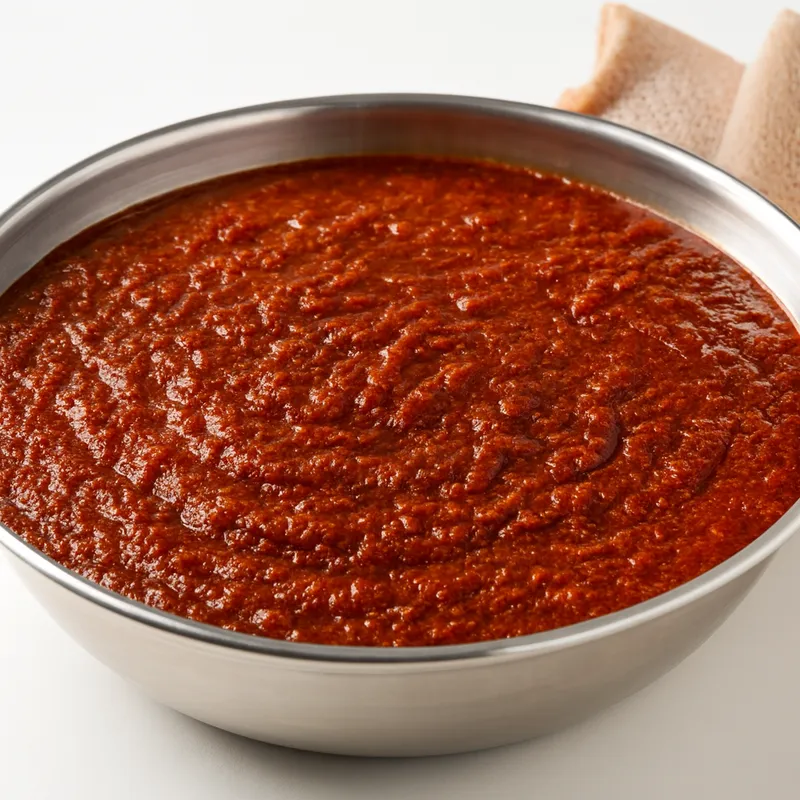
A deep mahogany stew of chicken legs and hard-boiled eggs in a paste so thick it barely flows — built on caramelized onion (a lot, slow-cooked dry first) and berbere chili. Heat is slow-building, not sharp. Served on injera, which you tear and pinch the stew with — no utensils. One leg and one egg per guest is the standard portion.
Caramelized onion is the load-bearing element, not the chili. Cooks dry-cook 4–6 cups of chopped onion for 30+ minutes with no oil until it collapses to a paste, then add niter kibbeh (spiced clarified butter) and berbere; the result is a stew where the body comes from sugars in the onion, not from flour or starch. Skip the onion stage and you get thin, chili-flat soup.
Variations
Ethiopian Amhara version is darkest with berbere; Tigray version uses less spice; modern Ethiopian-American versions sub canola for niter kibbeh — three berbere intensities.
On the Palate
Where Doro Wat sits in the Ethiopian flavor cloud
Ingredients



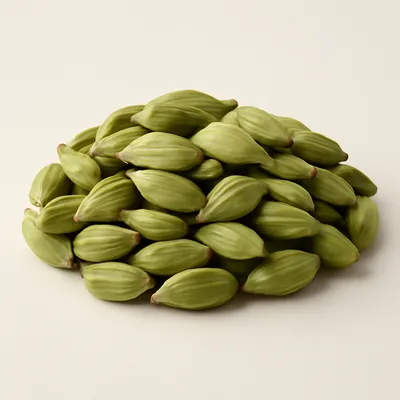
How it's made
5 steps · 37 min active + 45 min waiting
- 120 min
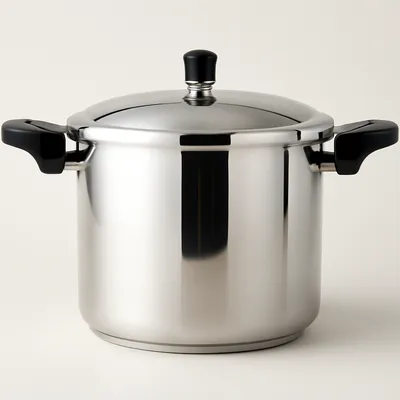
In a large, heavy pot, melt butter over medium heat. Add finely chopped onions and cook, stirring frequently, until deeply caramelized, about 20 minutes. The onions should be a rich, dark brown and very fragrant.
Watch outThe onions should collapse from raw white to a soft, deep, even brown paste — glistening and sweet-smelling, with no charred black flecks or acrid smell.
- 22 min
Stir in minced garlic, ginger, and berbere spice mix. Cook for 2 minutes, letting the spices bloom in the hot butter. The mixture should be intensely aromatic and slightly spicy.
Watch outAs the berbere hits the hot butter it should turn glossy and smell intensely aromatic within a minute or two; keep it moving so the spices bloom without catching.
- 35 min
Add chicken pieces to the pot, coating them thoroughly in the spice mixture. Cook until the chicken is browned on the outside, about 5 minutes. The aroma should be rich and inviting.
Watch outTurn the chicken until every piece is coated in the dark spice paste and lightly browned on the outside, with a rich, inviting aroma rising from the pot.
- 45 min
Pour in water or broth to cover the chicken, add a pinch of salt, and bring to a simmer. Cover and cook until the chicken is tender and the sauce has thickened, about 45 minutes. Stir occasionally to prevent sticking.
Watch outAim for a lazy, barely-moving simmer under the lid; over forty-five minutes the sauce should thicken and darken and the chicken pull tender off the bone.
- 55 min
Gently stir in boiled eggs, ensuring they are coated with the sauce. Simmer for an additional 5 minutes to heat through. The eggs should absorb the flavors of the stew.
Watch outFold the boiled eggs in gently so they stay whole; give them a few minutes to warm through and take on the stew's mahogany color and flavor.
Archive tool suggestions — not reviewed
These legacy suggestions have not been evidence-reviewed and are not presented as required tools.