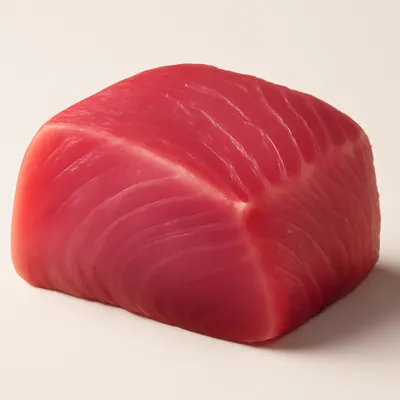




From Sri Lanka's southern coast, especially around Matara and Galle, where the dish was developed before refrigeration as a way to keep fresh-caught tuna edible for up to a week in tropical heat. The combination of goraka acid, salt, and black pepper acts as a chemical preservative — coastal fishermen carried it on long boat trips. The technique is at least several centuries old.
Sri Lankan southern-coast tuna cure from Matara and Galle, pre-refrigeration. Goraka (Garcinia gummi-gutta) drops the pH so far the fish keeps a week in tropical heat.
Cubes of tuna, dry on the outside, almost black from the goraka cure, with no gravy in the pan. The flesh is dense and sour-tart all the way through, with pepper heat layered behind. No coconut milk here — this is one of the few Sri Lankan curries that stays bone-dry. Eat with rice and a wet curry alongside, because Ambul Thiyal alone has no liquid to spread.
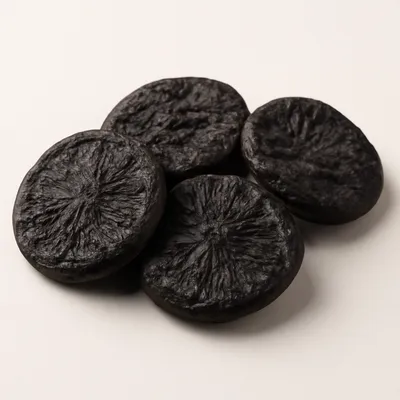
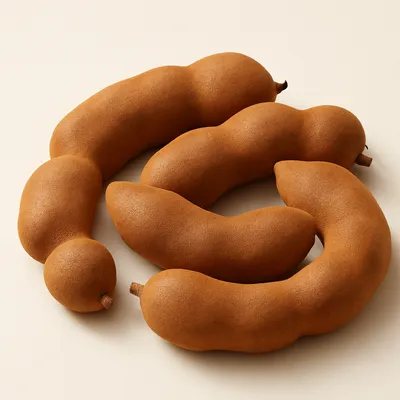
Goraka (Garcinia gummi-gutta) is the load-bearing ingredient — a sun-dried fruit rind that's pure tartaric and hydroxycitric acid. Soaked, ground, and rubbed onto the fish, it drops the pH low enough to inhibit bacteria for days. Tamarind is sometimes substituted abroad but tastes wrong: tamarind is fruity-sour, goraka is austere and almost smoky. Without goraka, the dish is something else entirely.
Variations
Matara style runs blacker and more peppery; Galle cooks lean lighter on the goraka; diaspora kitchens substitute tamarind, which goes fruity-sour where the original is austere.
On the Palate
Where Fish Ambul Thiyal sits in the Sri Lankan flavor cloud
Goraka is the whole dish — soak, grind, and rub this sun-dried rind onto the fish, because its austere near-smoky acid is what drops the pH, preserves the tuna, and defines the flavor; tamarind tastes fruity and wrong in its place.
Ingredients


How it's made
5 steps · 45 min active + 30 min waiting
- 15 min
Cut the tuna into large cubes, about 2 inches each. Rinse the goraka and soak it in warm water for 15 minutes to soften. The goraka should become pliable and slightly swollen.
Watch outThe goraka is ready when it's softened and swollen enough to give under a pestle — hard and brittle means keep soaking.
- 210 min
In a clay pot, combine the softened goraka, black pepper, turmeric, garlic, salt, and tamarind. Use a mortar and pestle to grind them into a smooth paste, releasing their aromatic oils.
- 35 min
Add the tuna cubes to the paste, ensuring each piece is thoroughly coated. Let the fish marinate in the spice mixture for at least 30 minutes to absorb the flavors.
- 410 min
Place the clay pot over medium heat. Add mustard seeds and allow them to crackle and pop, releasing their nutty aroma. Stir in the marinated fish, ensuring even heat distribution.
Watch outWait for the mustard seeds to actually crackle and pop before the fish goes in — that's the nutty aroma releasing.
- 515 min
Cover the pot and let the fish simmer gently in its own juices. Cook until the fish is firm and the sauce has thickened, about 15 minutes. The aroma should be rich and tangy, with a hint of smokiness.
Watch outIt's done when the tuna is firm and the sauce clings dark and glossy — the smell should be sharp-sour with a smoky edge.
Archive tool suggestions — not reviewed
These legacy suggestions have not been evidence-reviewed and are not presented as required tools.
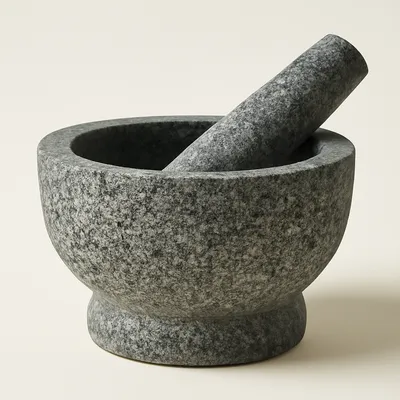
The simplest tool in any kitchen: a heavy bowl and a club to bash things in it. Different cuisines use different stones — Thai cooks pound green papaya in a tall granite mortar (krok hin); pesto Genovese requires the soft-pored Carrara marble; Indian masalas grind down on rough basalt. The bash-don't-cut motion releases volatile oils that a blade keeps sealed in the cell wall.

A round-bellied unglazed clay pot, 1.5-3 liters, with a domed lid and side handles, used for slow-cooking Chinese soups, claypot rice (煲仔饭), and stews. The clay's high porosity diffuses heat slowly so soups never come to a violent boil — flavor develops over 2-3 hours of low simmer. Cantonese claypot rice gets its prized crispy bottom (锅巴) from the same direct-flame stovetop heat that would crack a less robust pot.