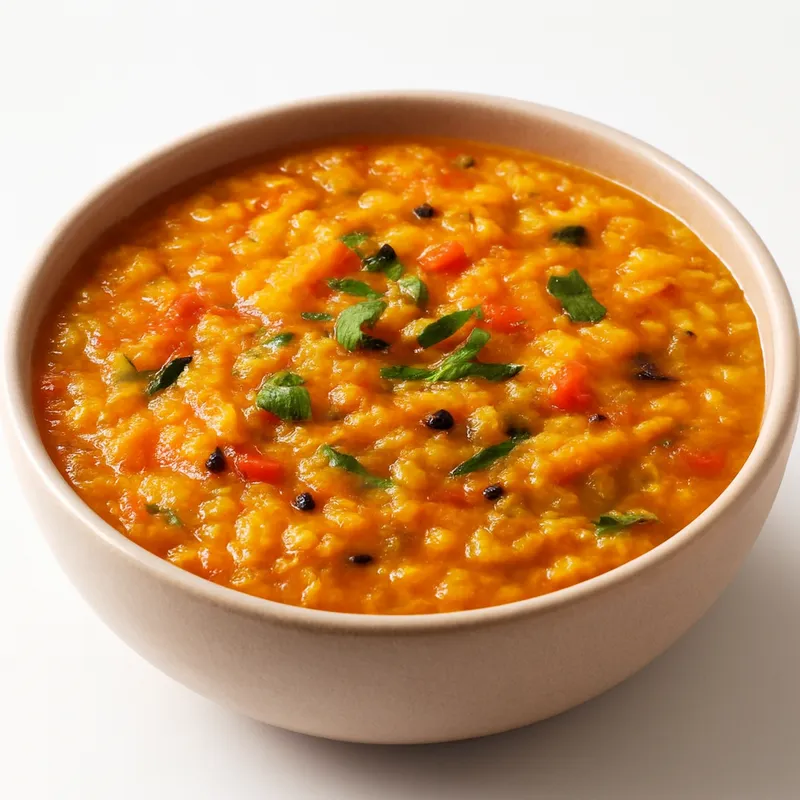
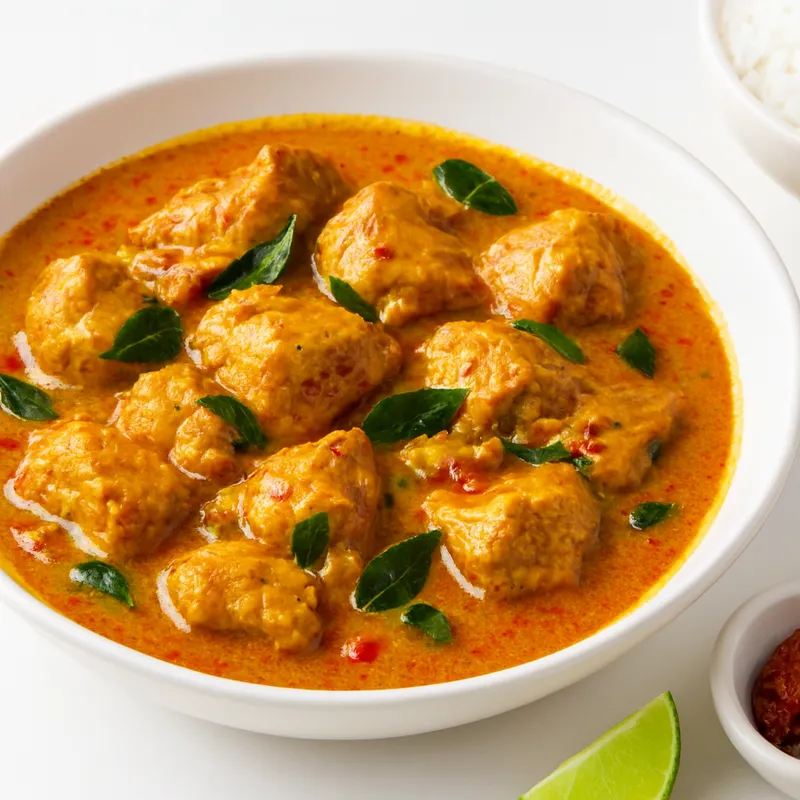
Kool (also spelled 'kuul') is the Jaffna Tamil signature dish — a thick seafood-and-vegetable stew that uses palmyra root flour (odiyal) for body, plus fresh palmyra tuber chunks where available. The dish is uniquely Northern Sri Lankan Tamil: Sinhalese Sri Lankans don't make it, Indian Tamils don't make it, and even up-country Tamils in Sri Lanka's tea estates don't make it. The combination of Indian Ocean seafood (crab, prawn, squid), palmyra (the iconic Tamil-Jaffna tree-tuber), tamarind, and curry leaves produces a flavor that's distinctly Northern. The dish is the centerpiece of Tamil weddings and the Pongal harvest festival in Jaffna. Tamil restaurants in London, Toronto, and Sydney serve kool as a signature dish demonstrating Tamil-Sri Lankan culinary identity.
Spoon up kool: it's thick, terracotta-orange from palmyra and tamarind, dotted with crab claws sticking up, pieces of squid, prawn tails, soft pumpkin chunks, and green long-bean slices. Bite: the crab meat is sweet and firm; the broth is tangy-sour from tamarind and savory-deep from the seafood; palmyra-root pieces (or pumpkin substitute) provide starchy body; curry leaves and ginger fragrance the whole bowl. A spoonful of rice in the broth ties everything together. Northern Sri Lankan Tamil identity in a single dish.
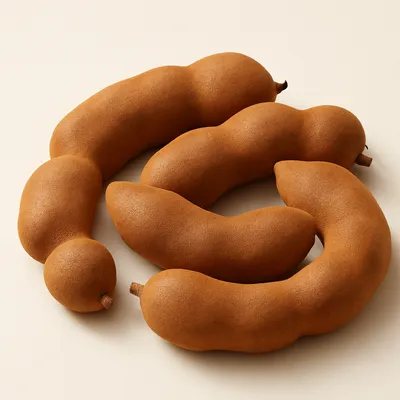
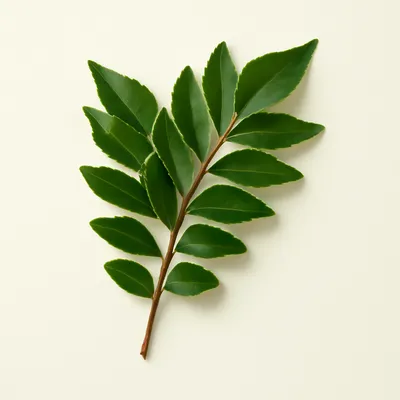
Palmyra root flour (odiyal) is high in arabinoxylans — these are starches that gelatinize at lower temperature (60°C) than wheat or corn starch, and produce a uniquely viscous, slightly glossy thickening that's different from cornstarch or wheat thickeners. Tamarind's tartaric acid (pH 2.5-3.5) brightens the seafood flavor and tenderizes the squid simultaneously. Curry leaves' linalool and citronellal oils evaporate quickly, so adding them in the aromatic-tempering step (rather than at the end) infuses the whole broth.
Variations
Jaffna original uses fresh palmyra tubers and odiyal flour; up-country Tamil version (Hatton, Nuwara Eliya) uses Sri Lankan freshwater fish + reduced odiyal; Eastern Tamil (Trincomalee, Batticaloa) version sometimes adds dried sprats for additional umami; Tamil-Sri Lankan diaspora in London-Toronto often substitutes cornstarch + tapioca for odiyal.
On the Palate
Where Kool sits in the Sri Lankan flavor cloud
Ingredients
Serves 6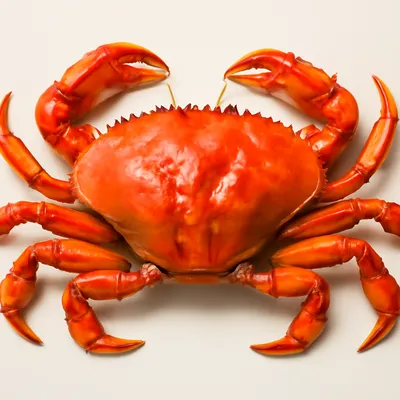









How it's made
5 steps · 50 min active + 40 min waiting
- 112 min
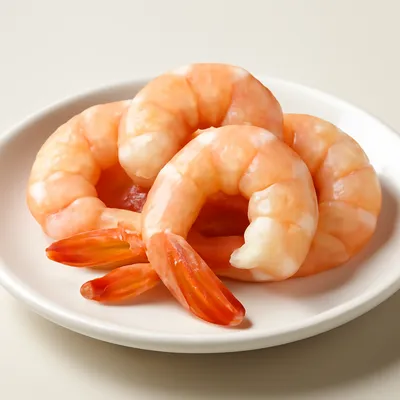
Prepare seafood: clean and chunk 400g crab (claws/legs separated), 300g shrimp (peeled, deveined), 200g squid (sliced into rings). Pat dry; set aside.
- 218 min
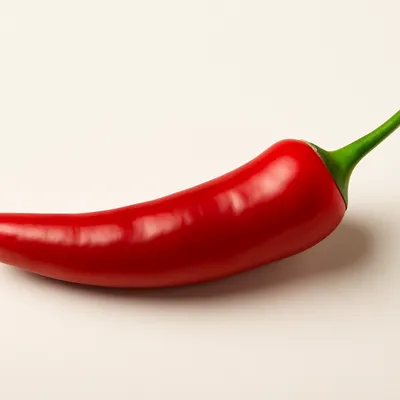
Make tamarind base: soak 50g tamarind paste in 250ml warm water 15 min. Strain through a fine sieve, discarding solids. Add 1 tbsp salt + 1 tsp ground turmeric + 1 tsp ground chili powder + 1 tsp ground coriander seed.
Watch outStrain the soaked tamarind hard through the sieve, pressing out all the pulp and discarding only the seeds and fibers.
- 38 min
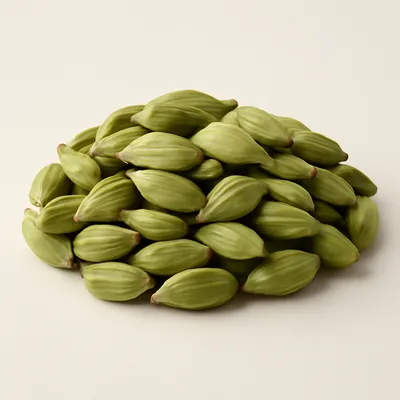
In a heavy pot, heat 4 tbsp coconut oil. Sauté 1 chopped large onion + 6 minced garlic cloves + 2 inches grated ginger + 4 chopped green chilies + 20 fresh curry leaves + 1 stick cinnamon + 4 cardamom pods until aromatic, 6 min.
- 418 min
Add tamarind broth + 1.5L water + 200g chunked pumpkin + 200g sliced long beans + 100g palmyra tuber (if available — substitute with extra pumpkin). Bring to a simmer; cook 15 min until vegetables are tender.
Watch outSimmer the vegetables until a fork slides in easily before any seafood goes in, about 15 minutes.
- 59 min
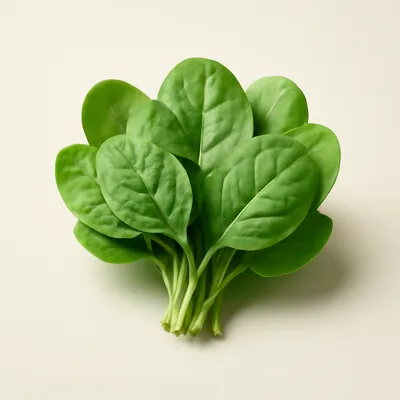
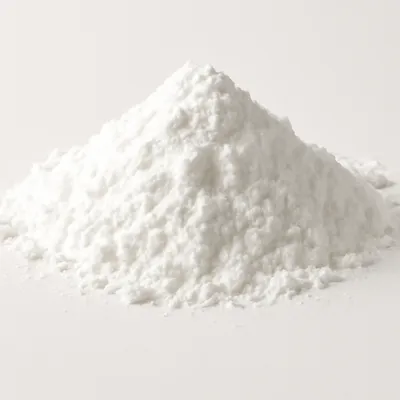
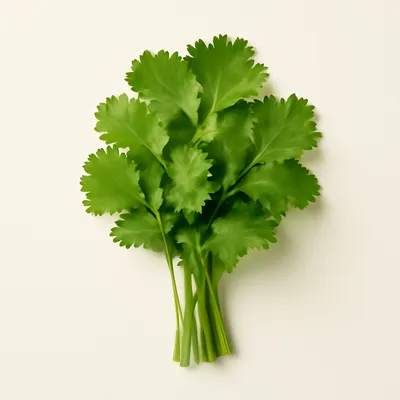
Add the crab pieces; simmer 8 min. Add shrimp + squid; simmer 5 min more (until shrimp pink and squid tender — don't overcook). Stir in 100g odiyal palmyra root flour (or 80g tapioca starch + 20g cornstarch as substitute) dissolved in 200ml cold water; cook 3 min, stirring, until soup thickens to chowder-like consistency. Add 200g chopped pumpkin leaves (or substitute with chopped spinach); cook 1 min until wilted. Top with 1/4 cup chopped cilantro and the juice of 1 lime. Serve in deep bowls with parboiled rice on the side.
Watch outThe stew is ready when the slurry has thickened it to a chowder-like consistency and the shrimp are just pink; pull it off before the squid tightens.
Archive tool suggestions — not reviewed
These legacy suggestions have not been evidence-reviewed and are not presented as required tools.