





A staple of Ethiopian Orthodox fasting cuisine, served on the yetsom beyaynetu (fasting) platter and made at home during the roughly 200 fasting days a year, when meat, eggs and dairy are avoided. The potato is a relative latecomer to the pot: the crop reached Ethiopia from South America via Europe — dates vary, but it is usually traced to the mid-19th century and credited to the German botanist-settler Wilhelm Schimper (c. 1858). For decades it grew only sporadically in the cold highlands; wider cultivation came at the end of the 19th century, when a prolonged famine pushed highland farmers to adopt it as an 'insurance crop' against cereal failure, after which it settled in alongside the older cabbage and root vegetables. Its spread is often credited to the reforms under Menelik II, though the dates and the figures involved are disputed and should not be stated as settled fact.
Potatoes only entered Ethiopian kitchens in the late 19th century, so the dish is younger than it tastes. An alicha stew refuses Maillard color — onions go in first to soft gold, never brown, or the turmeric tint dirties.
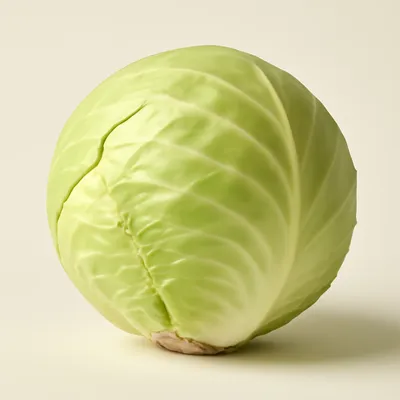
Cabbage wedges, carrot rounds, and potato chunks stewed together until everything turns golden from turmeric and the oil pools yellow. No berbere here — this is an alicha (mild) stew, sweet from long onion sauté, warm from ginger and garlic. Cabbage should hold a slight bite; collapsed-to-mush cabbage means the pot ran too hot too long.
Layering matters: onions go in first and cook down to soft gold without browning (alicha never wants Maillard color); turmeric goes in dry against the hot oil to bloom; potatoes next because they need the longest; cabbage last so it stays structural. The stew is built, not stirred together.
Variations
Standard alicha (no berbere, golden, turmeric-led); spicier home versions slip in a green chili, and some finish with a squeeze of lemon to brighten the pot. Mild alicha-style stews are common in Eritrea too, but the well-known Eritrean alicha birsen is fundamentally a red-lentil dish, not a cabbage-and-potato variant of this one. Whichever the version, it sits on the beyaynetu platter beside the redder, spicier wats.
On the Palate
Where Atakilt Wat sits in the Ethiopian flavor cloud
Ingredients


How it's made
6 steps · 1 hour
- 15 min
Heat niter kibbeh in a pot until melted.
Watch outThat spoon of niter kibbeh — Ethiopia's spiced clarified butter — is the whole flavor base. Melt it gently and don't let it brown, or the spices scorch.
- 28 min
Add diced onions and sauté until translucent.
- 33 min
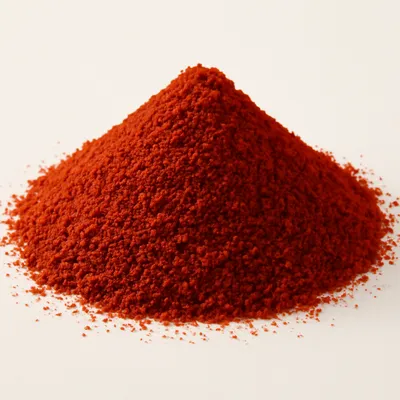
Stir in turmeric, garlic, and ginger, cooking until fragrant.
Watch outCook the turmeric, garlic and ginger just until fragrant; a minute too long and the turmeric turns bitter.
- 45 min
Add chopped cabbage, carrots, and potatoes to the pot.
Watch outCut the potato and carrot to a similar size so everything finishes together.
- 515 min
Cover and simmer until vegetables are tender, stirring occasionally.
Watch outKeep it covered on low — this is a gentle braise, not a fry. You want the vegetables tender, not browned.
- 62 min
Season with salt to taste before serving.
Archive tool suggestions — not reviewed
These legacy suggestions have not been evidence-reviewed and are not presented as required tools.


