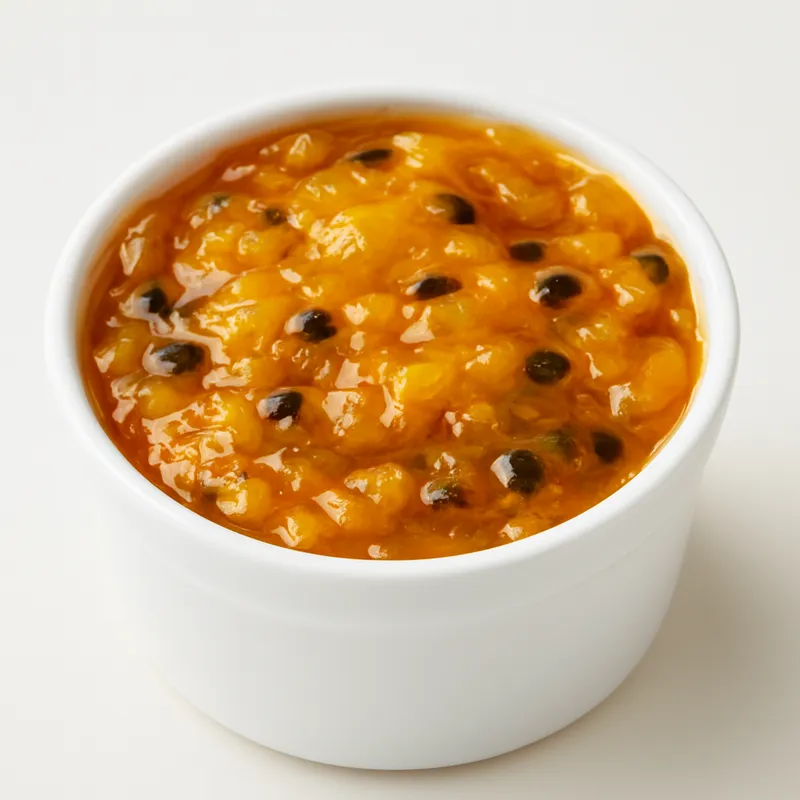
A slow-cooked Kerala rice pudding made from just three ingredients — whole milk, parboiled rice, and jaggery — reduced over several hours until the milk thickens and takes on a pale rose hue from prolonged caramelization. It is the daily sacred prasad of the Ambalappuzha Sri Krishna Temple in Alappuzha, where it has been prepared each morning since the 15th century and distributed to all who come to the temple.

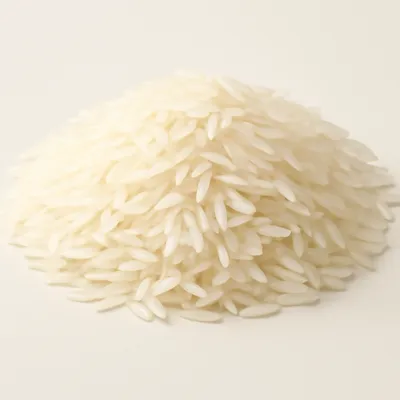


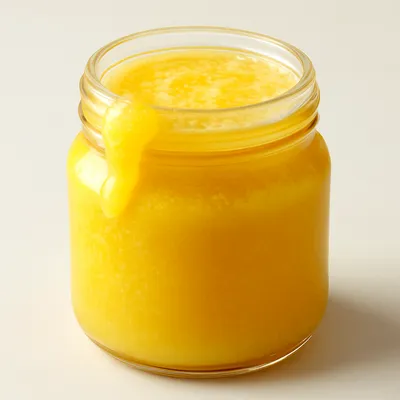
The Sanskrit word payasam derives from peeyusham, meaning nectar or ambrosia, and records from Tamil Nadu and Kerala temples document payasam as ritual prasad as early as the 10th century CE. The Ambalappuzha Sri Krishna Temple in Alappuzha district was consecrated in the 15th century by the Chembakasserry ruler Pooradam Thirunal Devanarayanan Thampuran; Lord Krishna is worshipped there as Parthasarathi, the charioteer of Arjuna. Temple lore holds that Krishna appeared disguised as a wandering sage and challenged the local king to a game of chess, wagering rice grains that doubled on each of the board's 64 squares — a sum no granary in any kingdom could ever contain. Krishna then revealed his divine identity and ordained that the rice debt be settled through daily offerings of pal payasam. The practice has continued unbroken: preparation begins each morning at 6 AM and takes approximately six hours, starting with water boiling in large copper vessels, milk and rice added in sequence, and sugar incorporated only in the final stage.
Deeply milky and silken, with a gentle caramel sweetness from jaggery and a pale blush color; the rice dissolves entirely into the long-reduced milk, yielding a smooth, clinging kheer with a clean, lingering sweetness and no individual grain texture.
Whole milk is gently reduced over several hours on very low heat, steadily concentrating proteins and fats as water evaporates. Sustained heat drives two browning reactions simultaneously: lactose and sucrose undergo caramelization, and milk proteins' amino acids react with reducing sugars via the Maillard reaction, together producing the characteristic pale rose color and caramel-sweet aroma. Starch granules in parboiled rice gelatinize early in the cook, then gradually hydrolyze into shorter dextrin chains that dissolve into the thickening milk, contributing body without any residual graininess. The finished payasam is a concentrated, stable emulsion of fat globules, casein aggregates, and dissolved sugars.
Variations
Palada payasam substitutes thin rice wafers (ada) for whole rice grains, yielding a silkier texture; semiya payasam uses fine vermicelli; some versions stir in coconut milk for extra richness; cardamom and saffron may be added just before serving for fragrance.
On the Palate
Where Pal Payasam sits in the Indian flavor cloud
Ingredients
Serves 6How it's made
7 steps · 35 min
- 130 min
Rinse 100g parboiled rice under cold running water until the water runs clear, then soak in 500ml cold water for 30 minutes; drain thoroughly before using.
- 210 min
Pour 1.5 liters of full-fat milk into a heavy-bottomed pot or uruli (traditional bronze vessel); bring to a boil over medium heat, stirring frequently to prevent scorching.
- 360 min
Add the drained rice to the boiling milk; reduce heat to the absolute lowest setting and cook uncovered, stirring every 5–7 minutes to keep the milk moving and the rice from sticking to the bottom.
- 45 min
After 50–60 minutes, when the milk has reduced by about one-third and the rice has become very soft and almost dissolved, add 150g jaggery (or sugar) and stir until fully melted into the payasam.
- 550 min
Continue cooking on the lowest heat for another 40–60 minutes, stirring frequently, until the payasam deepens to a pale rose color and the consistency thickens noticeably — the caramelization is doing its work.
Watch outSimmer on the lowest heat until the payasam turns pale rose and thickens — that color is the milk caramelizing; rush it on high heat and it scorches and curdles.
- 63 min
Test readiness by dipping a spoon into the payasam and lifting: it should fall in a thick, slow ribbon; once achieved, remove from heat and stir in 4 bruised cardamom pods.
Watch outIt's ready when a spoonful falls in a thick, slow ribbon — remember it keeps thickening off the heat, so don't reduce it past that.
- 75 min
Ladle into small cups or bowls and serve warm; the payasam will thicken further as it cools, developing an even richer, creamier texture.
Archive tool suggestions — not reviewed
These legacy suggestions have not been evidence-reviewed and are not presented as required tools.