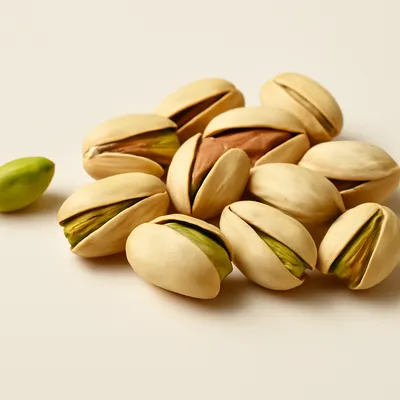
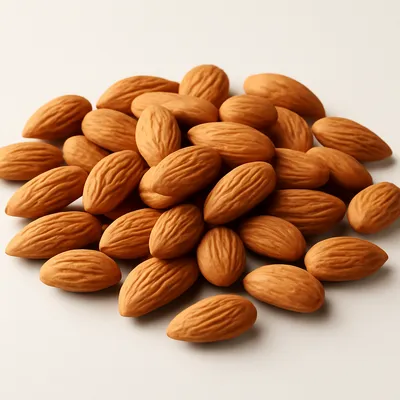
Soan Papdi is a light, flaky cube sweet of the Indian subcontinent, made of gram flour and a little plain flour roasted in ghee, then bound with a thick sugar syrup that is pulled and folded into countless fine strands. The result is a crisp, dry confection of layered silk-like threads that collapse into a soft, melting crumble in the mouth, usually flavoured with cardamom and topped with chopped pistachios or almonds. It is sold in boxed cubes or as loose flakes and, in Maharashtra, is also known as patisa. Inexpensive, long-keeping and instantly recognizable, it is one of the most common boxed sweets exchanged as a gift at Diwali and other festivals.




Soan Papdi's name is usually read as "golden flaky layer," and its exact origin is unconfirmed: it is variously attributed to Maharashtra, Uttar Pradesh and Gujarat, with no single documented source. Culinary anthropologist Kurush F. Dalal has described it as Persian in lineage, linking the word soan to the Persian pulled-sugar sweet sohan and to pashmak, the fine thread-like floss confection of Iran; in parts of Uttar Pradesh and Bihar it is called san papdi, where "san" is taken to refer to the fibres or threads it is made of. The technique of pulling cooked sugar into hair-fine strands connects it to a broader family of floss sweets — Persian pashmak, Turkish pişmaniye and Chinese dragon's-beard candy — though soan papdi is distinguished by its roasted gram-flour base and its setting into dry, crisp cubes.
A cube of soan papdi looks solid but barely holds together; press it and it shears apart into dry, hair-fine flakes. In the mouth there is a brief crisp resistance, then it dissolves almost at once into a soft, powdery, melting crumble — no chew, no stickiness when fresh. The taste is sweet and mild, dominated by toasted gram flour and ghee with a clear lift of cardamom, finished by the green crunch of pistachio or almond on top. Stale or damp soan papdi turns dense and chewy and loses its flake — fresh, it should shatter and melt.
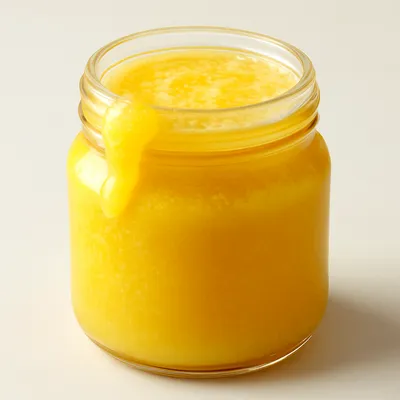
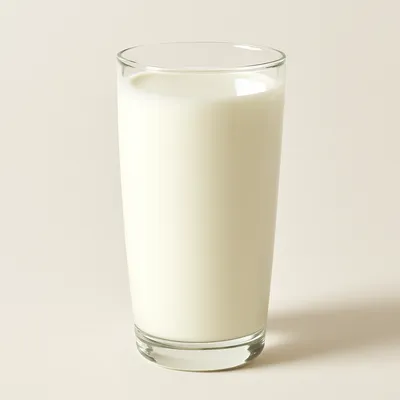
Soan Papdi's threads come from working sugar at the crystallizing stage against a roasted-flour base. Gram flour and a little plain flour are slow-roasted in ghee until golden and nutty; this both cooks out the raw-bean taste and coats the flour in fat. Sugar is boiled with a little water and milk to a thick syrup near the hard-ball stage (roughly 120–125°C), then poured over the warm ghee-roasted flour. While the mixture is still hot and pliable it is repeatedly stretched, folded and pulled — the way taffy is — which aerates the cooling syrup and aligns it into fine fibres; the fat-laden flour separates these fibres so they set as discrete dry strands rather than fusing into hard candy. Timing and temperature are exacting: too hot or too wet and it stays sticky, too cool and the syrup crystallizes coarse and will not pull into silk. Cooled and pressed into a tray, it is cut into the familiar flaky cubes.
Variations
The classic is plain cardamom-scented soan papdi in cubes; common variants add saffron, rose or, in modern boxed brands, chocolate, mango, kesar (saffron) or kaju (cashew). Ghee-rich versions are softer and more fragrant; cheaper mass-market ones may use refined fat and feel drier and chewier. In Maharashtra and parts of North India it goes by patisa, and in Uttar Pradesh and Bihar by san papdi; it belongs to the worldwide family of pulled-sugar floss sweets that includes Persian pashmak, Turkish pişmaniye and Chinese dragon's-beard candy. Some makers crumble it into loose flakes rather than cutting firm cubes.
On the Palate
Where Soan Papdi sits in the Indian flavor cloud
Ingredients
Serves 10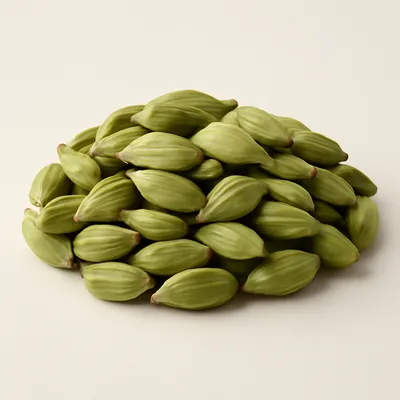
How it's made
6 steps · 20 min
- 118 min
Sieve together the gram flour and plain flour, then roast them slowly in warm ghee over low heat, stirring constantly, until golden and nutty; set aside and keep warm.
Watch outRoast the gram flour slowly in ghee until golden and nutty — this cooks out the raw-bean taste and coats the flour in fat so it later shreds into fine threads.
- 210 min
In a separate heavy pan, combine the sugar with a little water and milk and boil to a thick syrup near the hard-ball stage, about 120–125°C on a sugar thermometer.
- 33 min
Pour the hot syrup over the warm ghee-roasted flour and mix quickly to a soft, pliable mass.
- 412 min
While it is still hot, stretch the mass out, fold it over on itself and pull it repeatedly, working it back and forth until it forms fine, dry, hair-like strands.
Watch outWhile the mass is still hot, stretch, fold and pull it repeatedly like taffy — this aerates the crystallizing syrup and aligns it into the fine hair-like strands; let it cool and it sets solid.
- 55 min
Press the strands evenly into a greased tray, scatter the chopped pistachios and almonds over the top and press them lightly in.
- 630 min
Let it cool and set for about half an hour, then cut into squares and store in an airtight tin.
Archive tool suggestions — not reviewed
These legacy suggestions have not been evidence-reviewed and are not presented as required tools.