A dense, fudge-like Persian sweet made from wheat flour patiently toasted in butter until deep brown, then bound with a hot saffron-and-rosewater sugar syrup into a firm, fragrant paste. It is pressed flat on a plate, scored into diamonds and patterned with the back of a spoon, then garnished with pistachio slivers. Dark, rich and intensely perfumed, this halva is above all the sweet of Persian mourning — handed round at funerals and memorial gatherings — though it is also made at Ramadan and for vows fulfilled.




In Iran this wheat-flour halva is bound up above all with death and remembrance. It is the classic nazri (votive offering) prepared for funerals, for the seventh- and fortieth-day mourning gatherings, and made again each year on the anniversary of a death, then offered to mourners, neighbours and strangers alike as charity in the name of the deceased. The same sweet, however, is not confined to grief: it is also cooked for vows fulfilled and during Ramadan, its dark colour and heady saffron-rose perfume reading as solemn or celebratory depending on the table it lands on. The toasting of flour in fat to a sweet paste is one of the oldest confectionery techniques of the region, shared in many forms across the Persian-influenced world.
Smooth, dense and deeply fragrant — it yields softly to the spoon like cool fudge, neither crumbly nor sticky when made right. The toasted flour carries a roasted, nutty depth like browned butter, swept through with the warm hay-sweetness of saffron and the unmistakable floral lift of rosewater. Very sweet and very rich; a small scored diamond is a full serving. The pistachios on top add the only crunch.
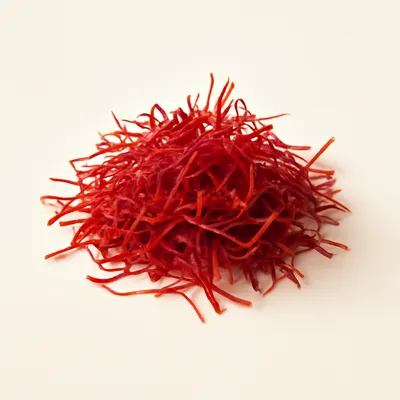
Everything turns on the toasting: wheat flour is cooked low and slow in plenty of butter until its raw starch breaks down and browns through the Maillard reaction, building the nutty colour and aroma — rush it and the flour either stays pasty and raw-tasting or scorches bitter. The hot sugar syrup is then beaten into the toasted flour off a fierce heat; the heat gelatinises the remaining starch and the syrup sets it firm as it cools, giving the dense sliceable body. Saffron is bloomed in a little hot water first to draw out its colour and scent, and rosewater is stirred in late so its perfume survives.
Variations
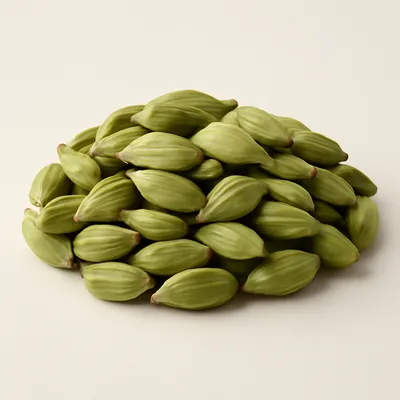
Made darker or paler depending on how far the flour is toasted; some cooks add ground cardamom alongside the saffron and rosewater; date syrup or extra butter for a richer paste; patterned in elaborate spoon-pressed designs for memorials; a related version uses semolina in place of wheat flour for a grittier texture.
On the Palate
Where Halva sits in the Persian flavor cloud
Ingredients
Serves 10
How it's made
7 steps · 10 min
- 110 min
Bloom saffron in a little hot water and set aside; make a sugar syrup with water and bring rosewater to hand.
- 23 min
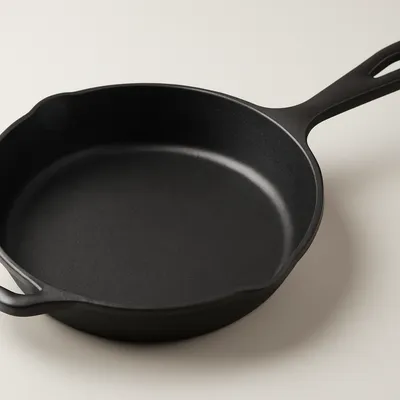
Melt plenty of butter in a wide pan over low heat.
- 320 min
Add the wheat flour and toast slowly, stirring constantly, until it turns a deep golden brown and smells nutty.
Watch outToast the flour low and slow in the butter until deep golden and nutty — rush it and it either stays pasty and raw or scorches bitter; this browning is the whole flavor.
- 45 min
Pour in the hot saffron syrup off the heat, stirring hard to beat out lumps as the paste thickens.
Watch outPour the hot syrup in off the heat and beat hard to knock out lumps as it thickens — the heat sets the starch and the syrup firms it as it cools.
- 53 min
Stir in the rosewater, then return briefly to low heat until the halva pulls together and glosses.
- 64 min
Press the warm paste onto a flat plate, smooth it, score into diamonds and pattern with a spoon.
- 730 min
Scatter pistachio slivers over the top and let it firm up before cutting.
Archive tool suggestions — not reviewed
These legacy suggestions have not been evidence-reviewed and are not presented as required tools.