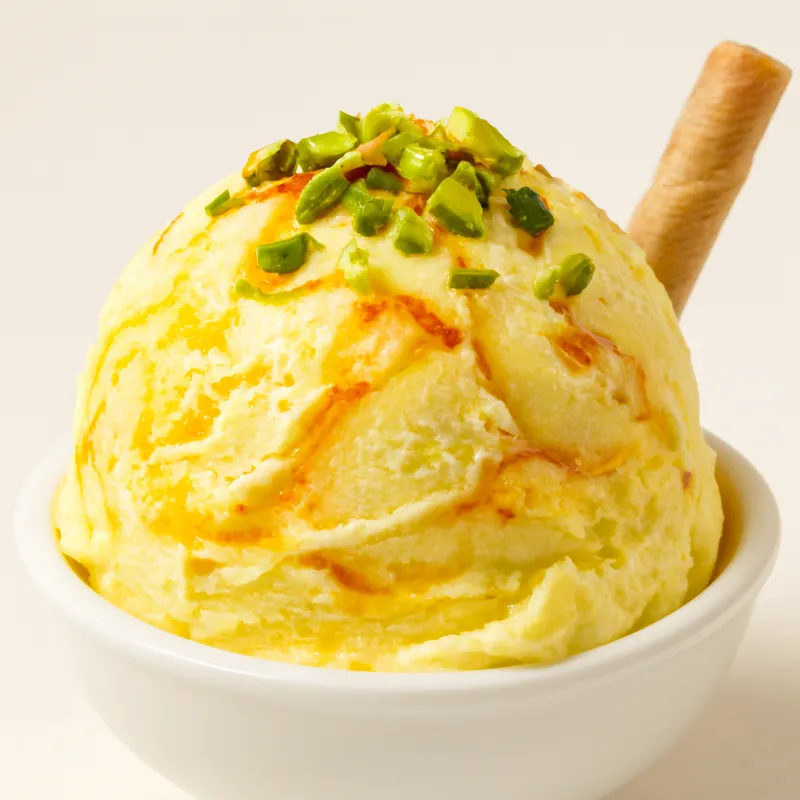
A loose, warm Persian halva of wheat flour toasted in oil or butter, then bound with a saffron-and-rosewater syrup until it falls into a soft, glossy, spoonable paste rather than a firm sliceable block. Deep amber-gold from the saffron and toasted flour, it is eaten warm with a spoon. Closely tied to mourning and memorial gatherings, where trays of it are prepared and shared in remembrance of the dead. Rich, fragrant and comforting.



Tar halva — 'wet halva' — is the looser, spoonable form of Persian saffron-flour halva, distinguished from the firmer kind that is pressed and cut into pieces. Across Iran this flour-and-saffron halva is bound up with mourning: it is cooked for memorial gatherings and the third-, seventh- and fortieth-day remembrances of a death, given out as a charitable offering for the soul of the departed (a practice called khairat), and so carries a solemn, commemorative meaning beyond an everyday sweet. The wet form is favored for serving warm to a gathering.
Soft and almost pourable when hot, settling thicker as it cools but never to a solid. Deeply sweet, fragrant with saffron and rosewater, with a toasted, nutty depth from the browned flour and a richness from the fat. Smooth on the tongue with no graininess if cooked right. The warmth and the gentle perfume make it soothing — a quiet, somber sweet rather than a festive one.
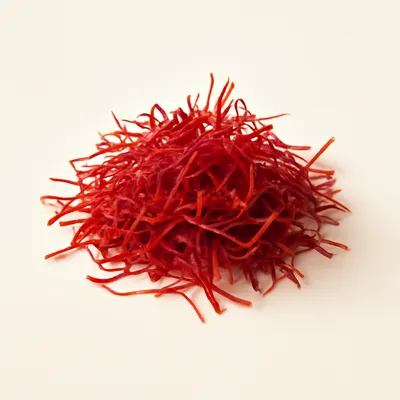
The flavor and color start with browning: wheat flour is slowly toasted in oil or butter over low heat until it turns golden and smells nutty, a controlled Maillard-style browning that also cooks out the raw-flour taste. Saffron is bloomed in hot water to release its color and aroma, then a warm syrup of that saffron water, sugar and rosewater is beaten into the toasted flour. The ratio of liquid to flour is what keeps it loose — more syrup gives the wet, spoonable tar halva, less gives a firm block. It must be stirred hard and constantly so no lumps form and the paste stays glossy.
Variations
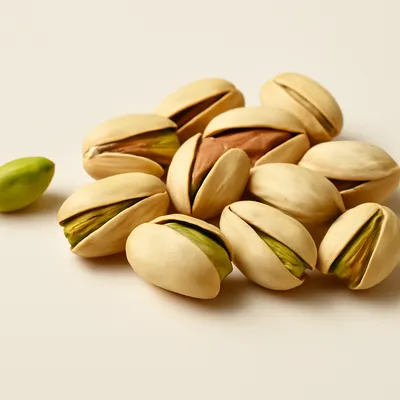
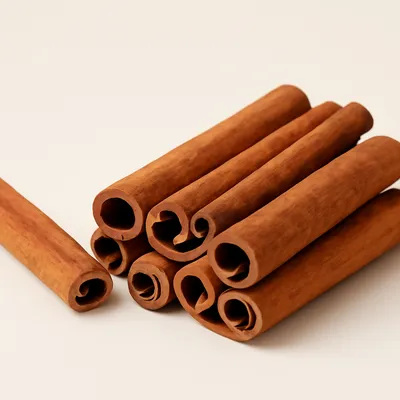
The defining split is wet (tar) versus firm and sliceable, set only by how much syrup goes in. Fat ranges from neutral oil to butter or clarified butter for a richer result. Some cooks scent it with cardamom alongside the saffron and rosewater, and garnishes range from slivered pistachios and almonds to a dusting of cinnamon pressed into patterns on top. A date-paste version, halva made dark with dates, is a related sweet.
On the Palate
Where Tar Halva sits in the Persian flavor cloud
Ingredients
Serves 8How it's made
8 steps · 10 min
- 13 min
Bloom saffron threads in a little hot water and set aside.
- 24 min
Make a syrup by dissolving sugar in water, then stir in rosewater and the bloomed saffron.
- 33 min
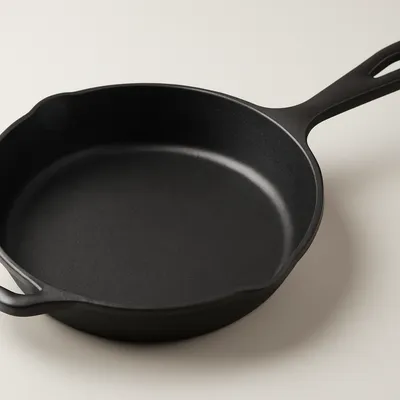
Warm the oil or butter in a wide pan over low heat.
- 412 min
Add the flour and toast it slowly, stirring constantly, until golden and nutty.
Watch outToast the flour low and slow, stirring nonstop, until it turns even gold and smells nutty — stop there; let it scorch and the whole halva tastes burnt and bitter.
- 54 min
Lower the heat and pour in the warm saffron syrup, beating hard to keep it smooth.
Watch outPour the warm syrup in off the boil and beat hard right away — go slow or let it sit and the flour clumps into lumps you can't smooth out.
- 63 min
Keep stirring as it comes together into a soft, glossy, loose paste.
- 73 min
Spoon into a serving dish, smooth the top, and garnish with pistachios and cinnamon.
- 80 min
Serve warm with a spoon.
Archive tool suggestions — not reviewed
These legacy suggestions have not been evidence-reviewed and are not presented as required tools.