
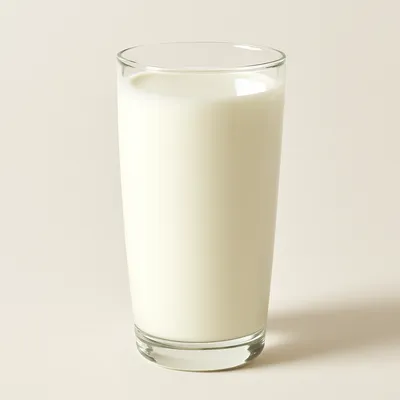
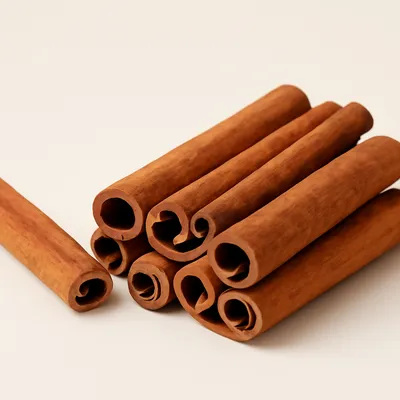
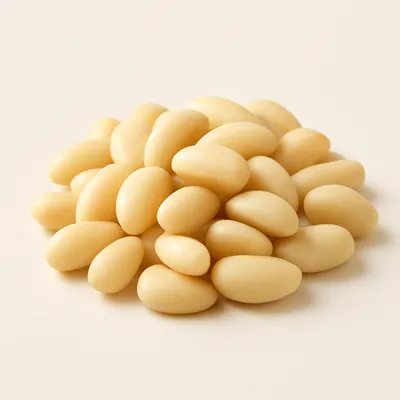
İrmik helvası is Turkey's everyday halva, made by slowly roasting coarse semolina in butter — usually with pine nuts toasting alongside — until the grains turn deep gold and smell nutty. A hot syrup of sugar with milk and/or water is then stirred in; the semolina swells and drinks up the liquid, and the covered pot is left to rest, or demlenmek, until it sets into a soft, fluffy, scoopable halva. Pressed into mounds and dusted with cinnamon, it is a fixture of home kitchens and lokanta menus alike. More than a dessert, it is the sweet of shared moments, handed round at both happy gatherings and, famously, at funerals and memorials.



Halva has deep roots in Ottoman court cooking — the palace ran a dedicated confectionery kitchen, the helvahane, where master cooks worked countless varieties. The semolina version, cheaper and made from a common pantry staple, is the one that took hold in ordinary households and became the everyday Turkish halva. It is bound to life's milestones, served at religious holidays, births, circumcisions and house moves, but it is most strongly tied to mourning: a bereaved family makes and shares semolina helva when someone dies, and a Turkish turn of phrase wishes long life by saying may we eat your halva — that is, not for many years. The same pot of toasted semolina thus marks both joy and loss across the Turkish table.
The texture is the point: soft and fluffy, the swollen grains staying separate and faintly sandy rather than melting into a paste, so a spoonful crumbles and melts on the tongue. The flavor is deeply buttery and toasty from the long roast, warmed by cinnamon, with toasted pine nuts giving little buttery, resinous crunches throughout. It is rich but not cloying, comforting and warm, and just as good barely-warm from the pot as it is at room temperature.
Roasting is what makes or breaks this halva. Toasting the semolina in butter drives Maillard browning and develops the deep nutty flavor, and just as importantly it coats each grain in fat, keeping them separate so the finished halva turns out fluffy rather than gluey. When hot syrup meets the hot toasted grains they hydrate fast and the starch gelatinises, swelling each grain as it absorbs the liquid. Covering the pot off the heat for the demleme rest lets that absorption finish gently in trapped steam, so the grains plump evenly and the mass sets soft and scoopable; pine nuts toasted in the butter at the start are protected and stay crisp. Letting it stand also drives off surface moisture, which is why a cloth or paper under the lid is a common trick.
Variations
Cooks split over the liquid: an all-milk syrup gives a richer, paler, almost pudding-like helva, while water (or a milk-and-water mix) yields a lighter, more golden one. Coarse semolina makes a grainier, fluffier result; fine semolina a smoother, denser one. Pine nuts are classic, but walnuts, blanched almonds or even no nuts at all appear, and the spicing can run to cinnamon alone or none. Some versions are studded with currants, others enriched with an egg yolk or finished with a scoop of ice cream — the warm-halva-and-cold-ice-cream pairing being a beloved restaurant dessert.
On the Palate
Where İrmik Helvası sits in the Turkish flavor cloud
Ingredients
Serves 6How it's made
6 steps · 40 min
- 18 min
Bring sugar with milk and/or water to a boil, stirring to dissolve, then keep the syrup hot off to one side.
- 24 min
Melt butter in a heavy pot and add the pine nuts, letting them toast gently to pale gold.
- 315 min
Add the semolina and roast over low-medium heat, stirring constantly, until the grains turn deep golden and smell nutty — this is slow and must not be rushed.
Watch outRoast the semolina low and slow until deep gold and nutty — this is what makes or breaks it; rush the heat and it scorches, stop short and the halva turns gluey.
- 44 min
Carefully pour in the hot syrup (it will hiss and steam), stirring hard until the semolina absorbs the liquid and pulls away from the sides of the pot.
Watch outPour the hot syrup onto the hot grains and stir hard until it pulls from the pot sides — that's the grains drinking it up; add it cool and they clump.
- 515 min
Cover the pot, lay a cloth or paper towel under the lid, and rest off the heat for about 15 minutes to demlenmek so the grains swell and set.
Watch outRest it covered off the heat — the trapped steam lets the grains swell evenly and set soft; skip the rest and it stays gritty.
- 63 min
Fluff with a spoon, press into mounds or scoops, dust with cinnamon and serve warm or at room temperature.
Archive tool suggestions — not reviewed
These legacy suggestions have not been evidence-reviewed and are not presented as required tools.



