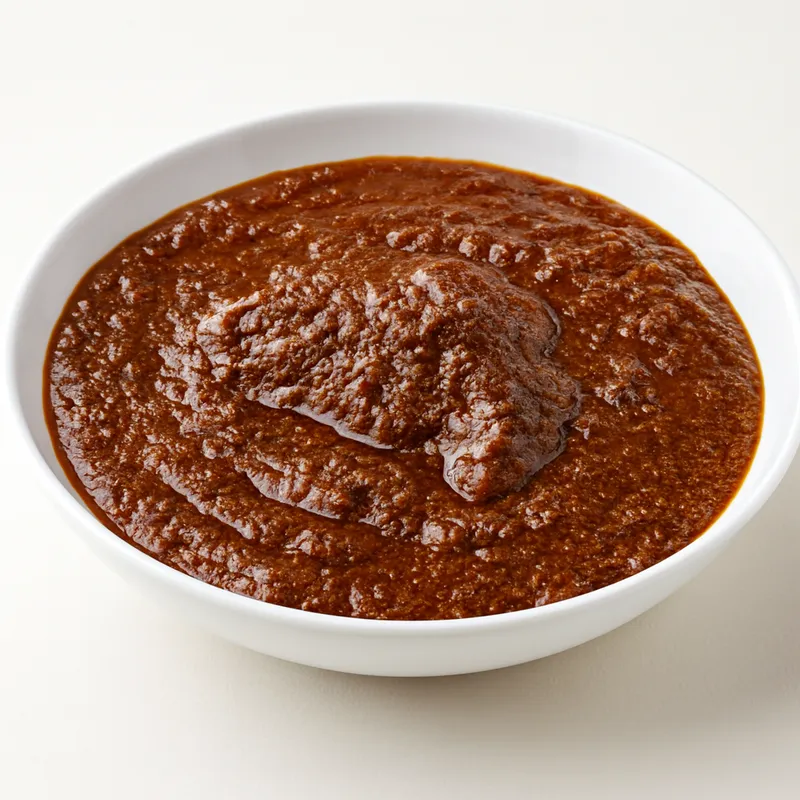
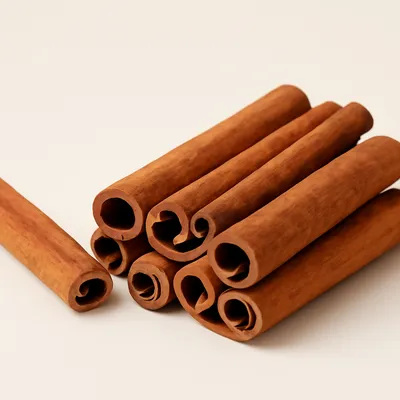
A warm, loose saffron pudding of flour cooked in butter and slackened with a sweet saffron-and-rosewater syrup to a soft, pourable consistency — essentially a wetter, spoonable cousin of firm Persian halva. It is eaten hot, fragrant and golden, dusted with cinnamon or pistachio. Above all kachi is a restorative: it is the traditional food given to women recovering from childbirth to rebuild their strength, and a warming comfort for the unwell and for cold winter nights.



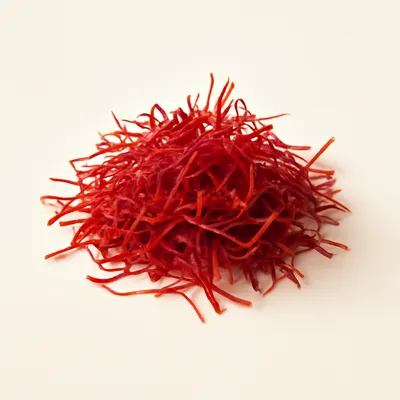

Kachi is one of the oldest everyday sweets of Iran, valued less as a treat than as nourishment. Its enduring role is medicinal and domestic: it is the dish a family cooks for a woman in the days after she has given birth, rich in butter and sugar and warmed through with saffron, to help her regain strength — and the same warm bowl is offered to anyone weak, ailing or chilled. Built from the cheapest pantry staples of flour, butter, sugar and a pinch of precious saffron, it could be made anywhere and at any time, which is part of why it has lasted as a household remedy rather than a festival sweet.
Warm, soft and loose — somewhere between a thick pudding and a sauce, just thin enough to pour and pool, never set. Rich and buttery on the tongue with a toasted, faintly nutty backbone from the cooked flour, sweet and carrying the warm hay scent of saffron and the floral lift of rosewater. Comforting rather than complex; eaten by the warm spoonful, often with a dusting of cinnamon for contrast.
As with firm halva the flavour comes from toasting the flour in butter until its starch cooks out and turns nutty, but here the proportions and the cooking are aimed at a soft, flowing result rather than a sliceable one — much more syrup goes in relative to flour, and it is served straight from the pan while hot before the starch can fully set. Saffron is bloomed in hot water to release its colour and aroma into the syrup, and the rosewater is stirred in at the very end, off the heat, so its delicate perfume is preserved rather than boiled away.
Variations
Made looser as a near-drinkable restorative for new mothers, or a touch thicker as a winter dessert; some cooks add a pinch of turmeric alongside the saffron for colour and warmth; cardamom is sometimes worked in; finished with cinnamon, slivered pistachios or almonds, and occasionally a little extra butter poured over.
On the Palate
Where Kachi sits in the Persian flavor cloud
Ingredients
Serves 4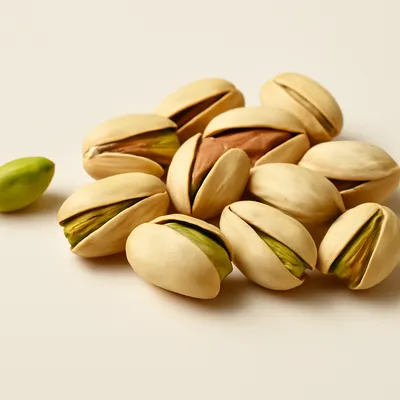
How it's made
6 steps · 5 min
- 15 min
Bloom the saffron in a little hot water and make a syrup by dissolving sugar in water with most of the saffron.
- 22 min
Melt the butter in a pan over low heat.
- 310 min
Add the flour and toast gently, stirring constantly, until it turns pale gold and smells nutty.
Watch outPull the flour off the heat the instant it smells nutty and turns pale gold — a shade past this and it scorches, going bitter and gritty.
- 45 min
Gradually pour in the hot saffron syrup, stirring hard to keep it smooth as it thickens.
Watch outPour the hot syrup in a thin stream and beat hard — dump it all at once and the starch seizes into lumps that won't smooth out.
- 55 min
Cook briefly to a soft, loose, pourable pudding, adding a little more syrup or water if too stiff.
Watch outStop while it still pours slowly off the spoon — kachi is meant to flow, and it firms up more as it cools.
- 63 min
Stir in the rosewater off the heat, then serve hot, dusted with cinnamon and pistachios.
Archive tool suggestions — not reviewed
These legacy suggestions have not been evidence-reviewed and are not presented as required tools.